
The Curious Case of Dr. Seuss: Strategic Domain Registrations Amidst Legacy Scrutiny
The intricate world of online brand protection often presents intriguing scenarios, but few are as noteworthy as the recent revelation concerning Dr. Seuss Enterprises. In a move that has piqued the interest of intellectual property experts and brand strategists alike, a company yesterday registered a series of highly sensitive domain names: DrSeussIsRacist.com, DrSeussIsaRacist.com, RacistDrSeuss.com, and DrSeussRacist.com. These registrations, seemingly controversial on the surface, unveil a sophisticated strategy employed by major brands to safeguard their legacy and manage public perception in an increasingly scrutinized digital landscape. Far from being a random act, these domain acquisitions tell a compelling story about modern brand defense.
Unpacking the Domain Name Registrations
The registration of these four provocative domain names immediately raises questions for anyone observing the digital domain sphere. All were secured through MarkMonitor, a premier brand protection registrar renowned for its specialized services to some of the world’s largest and most valuable brands. MarkMonitor excels in safeguarding corporate digital assets, managing vast domain portfolios, and providing robust Whois privacy protection, shielding the registrant’s identity from public view. The decision to use such a high-caliber service, coupled with the explicit and contentious nature of the domain names themselves, strongly suggests a deliberate, strategic action rather than a random occurrence or malicious intent from an external party. This isn’t the work of a casual registrant; it indicates a well-resourced entity with a clear objective. The specificity of the chosen domain names, directly addressing the “Dr. Seuss racist” narrative, leaves little doubt about the underlying intent: to control a specific, sensitive online conversation.
The Evolving Controversy Surrounding Dr. Seuss’s Legacy
The registration of domains explicitly linking Dr. Seuss to racism is not arbitrary; it directly taps into a long-standing and evolving public debate surrounding the author’s work. Theodor Seuss Geisel, known globally as Dr. Seuss, created a beloved universe of whimsical characters and stories that have enchanted generations of children worldwide. His books are celebrated for their imaginative rhymes, unique illustrations, and moral lessons that often champion environmentalism, tolerance, and individuality. However, a critical re-evaluation of his older works in contemporary society has brought certain elements into sharp focus, particularly regarding controversial and stereotypical imagery. Critics point to illustrations in books like “If I Ran the Zoo,” “And to Think That I Saw It on Mulberry Street,” and even earlier political cartoons, that feature caricatures of Asian, African, and Middle Eastern characters, depicting them in ways now widely recognized as offensive and rooted in racist tropes prevalent during the mid-20th century. For instance, some illustrations have been cited for their exaggerated features, use of yellowface, and portrayal of non-white characters in subservient or exoticized roles, often with derogatory visual cues.
This historical context forms the backdrop against which Dr. Seuss’s legacy is continuously debated. While some argue that these images reflect the unfortunate societal norms of his time and that his later work demonstrated a clear shift towards themes of tolerance and anti-bigotry, others contend that their continued presence in children’s literature necessitates a more forceful acknowledgment and, in some cases, removal to avoid perpetuating harmful stereotypes. The ongoing dialogue underscores the complexities of judging historical figures by modern standards and the challenges inherent in curating cultural heritage for future generations. Dr. Seuss Enterprises has itself taken proactive steps, such as ceasing publication of six specific books containing problematic imagery in 2021, indicating a clear awareness and responsiveness to these critiques. This sensitivity around his historical depictions is precisely why owning domain names associated with “racist Dr. Seuss” becomes a critical and proactive component of a comprehensive brand defense strategy.
The Crucial Clue: DrSeussHorseMuseum.com and Defensive Registrations
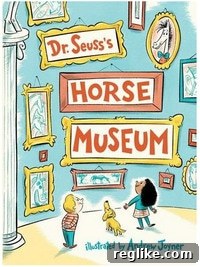
A crucial piece of the puzzle that almost unequivocally points towards these registrations being defensive comes from another domain registered at the same time, also through MarkMonitor: DrSeussHorseMuseum.com. This domain refers to “Dr. Seuss’s Horse Museum,” a posthumously published Dr. Seuss book that debuted in 2019, adding a new, legitimate title to his beloved bibliography. The timing and registrar alignment are highly significant. Dr. Seuss Enterprises, LP, the entity responsible for managing the author’s intellectual property and brand, is a known client of MarkMonitor for its domain portfolio management. This is in contrast to Penguin Random House, the current publisher for Dr. Seuss books, which primarily uses CSC for its domain name registrations. This distinction strongly suggests that the “racist” domains were registered by Dr. Seuss Enterprises, LP, rather than an external party or the publisher.
The parallel registration of a legitimate, official book title alongside these highly contentious ones reveals a clear, premeditated strategy. It’s a textbook example of defensive domain name registration – a proactive measure taken by brand owners to protect their online reputation and intellectual property. By acquiring domains that could potentially be used by critics, detractors, or cybersquatters to spread negative narratives or misinformation, Dr. Seuss Enterprises pre-emptively controls these online spaces. This strategy prevents third parties from registering these potentially damaging URLs and using them to launch websites that could harm the brand’s image, disseminate misinformation, or even attempt to profit from the controversy. It’s a digital land grab designed to secure all relevant permutations of a brand’s name, especially when facing sensitive public discourse. This foresight allows the brand to maintain control over its narrative, even in the most challenging and critical contexts.
The Imperative of Proactive Brand Management in the Digital Age
In an era where public perception can shift rapidly and online narratives can escalate almost instantaneously, proactive brand management has become an indispensable practice for major intellectual property holders. For an entity like Dr. Seuss Enterprises, protecting its founder’s iconic legacy is paramount. This involves not just licensing books, merchandise, and media adaptations, but also meticulously managing the brand’s expansive digital footprint. Defensive domain registration is a cornerstone of this sophisticated strategy, particularly for brands with historical complexity.
Imagine the potential damage if an activist group, an opportunistic individual, or a competitor registered DrSeussIsRacist.com and launched a website detailing every controversial aspect of his work, perhaps exaggerating or misrepresenting facts, all without the brand’s input or control. Such a site could quickly gain traction in search engine results and social media, influencing public opinion, potentially impacting book sales, jeopardizing licensing deals, and severely damaging the overall perception and commercial viability of the Dr. Seuss brand. By owning these domains, Dr. Seuss Enterprises gains control over these potential flashpoints. While they might never launch active websites on these specific URLs – the domains could simply point to a neutral landing page, a statement from the enterprise, or even remain unused – merely owning them prevents others from doing so. It effectively allows the enterprise to dictate if and how these narratives are presented within their owned digital ecosystem, or simply to shut down potential avenues of attack before they even begin. This foresight demonstrates a sophisticated understanding of online reputation management and the absolute necessity of safeguarding intellectual property in a multifaceted digital environment. It underscores the ongoing challenges faced by organizations tasked with preserving and adapting historical brands for contemporary, globally connected audiences.
Navigating Legacy and Reputation in a Scrutinizing World
The case of Dr. Seuss Enterprises serves as a compelling illustration of the broader challenges faced by historical brands and figures in the digital age. The internet, with its limitless capacity for information dissemination, collective memory, and rapid scrutiny, has fundamentally transformed how legacies are preserved and perceived. Past works and historical actions are continuously re-evaluated through modern lenses, and what was once acceptable, overlooked, or simply unknown can quickly become a subject of intense public debate and moral judgment. Companies managing such legacies must navigate this complex terrain with extreme care, balancing the preservation of original content and historical context with a recognition of evolving social standards and public sensitivities. The decision to defensively register “racist” domains reflects this delicate balance. It acknowledges the existence of the controversy and the potential for negative discourse without necessarily endorsing the claims, but crucially, it controls the narrative space. This proactive approach to brand protection is not unique to Dr. Seuss; many brands and public figures now employ similar strategies to protect their digital identities against potential misuse, critical campaigns, or even simple misunderstanding. It’s a strategic move that reflects a growing trend in intellectual property protection, moving beyond just copyrights and trademarks to encompass the broader digital ecosystem, including social media handles, app names, and, critically, the full spectrum of relevant domain names. As society continues to grapple with its historical figures and their imperfections, the methods by which their legacies are managed online will only grow in importance and sophistication, making such defensive registrations an increasingly standard practice for comprehensive brand safeguarding.
Conclusion: Strategic Defense in a Complex Digital Landscape
In conclusion, the seemingly provocative registration of domain names like DrSeussIsRacist.com by Dr. Seuss Enterprises is far from a simple admission or an oversight. Instead, it represents a shrewd, strategic, and increasingly necessary defensive maneuver within the intricate world of brand protection and intellectual property management. Coupled with the simultaneous registration of a legitimate book title domain and leveraging a specialized, top-tier registrar like MarkMonitor, these actions highlight a proactive, multi-pronged strategy to control potential online narratives surrounding Dr. Seuss’s complex and much-debated legacy. In an era where historical context often collides with contemporary sensitivities, such foresight and tactical execution are not merely advantageous; they are absolutely essential for maintaining brand integrity, managing public perception, and ensuring the long-term viability of cherished intellectual property. The digital landscape demands constant vigilance and strategic adaptability, and Dr. Seuss Enterprises is clearly demonstrating its commitment to preserving and wisely navigating the brand’s future by strategically acknowledging and managing its past.