
From UDRP Loss to Cybersquatting Lawsuit: United Press International Escalates Domain Dispute
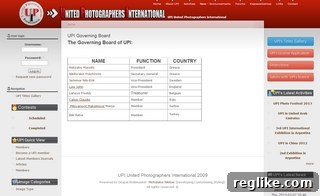 United Press International (UPI), a globally recognized news agency often simply referred to as UPI, has initiated a significant legal battle in the realm of domain names. The venerable organization recently filed an in rem cybersquatting lawsuit, targeting the domain names UPIPhoto.com and UPIPhoto.org. This action comes after a notable setback for UPI earlier in the year, highlighting the complex and often challenging landscape of brand protection in the digital age. The lawsuit, detailed in a publicly accessible pdf document, signals a determined effort by UPI to reclaim control over what it considers to be its intellectual property.
The Precedent-Setting UDRP Loss for UPIPhoto.com
The decision to pursue a federal lawsuit is particularly noteworthy given UPI’s previous attempt to acquire UPIPhoto.com. In May, United Press International experienced a significant loss in a Uniform Domain-Name Dispute-Resolution Policy (UDRP) proceeding concerning the domain upiphoto.com. Administered by the World Intellectual Property Organization (WIPO), UDRP cases are designed to provide an efficient and cost-effective method for trademark owners to resolve disputes over domain names that are registered and used in bad faith. However, in this instance, the WIPO panel ruled against UPI.
The UDRP panel determined that the registrant of the domain name, an entity operating under the name United Photographers International, possessed legitimate rights or interests in the domain. This is a crucial element in UDRP cases, as trademark owners must typically prove that the registrant has no such rights or legitimate interests. Furthermore, the panel concluded that the domain had not been registered in bad faith, another fundamental requirement for a successful UDRP complaint. These findings together meant that UPI’s initial attempt to recover the domain through the UDRP system was unsuccessful, leaving them to explore alternative legal avenues.
The Principle of Laches: A Critical Factor in the UDRP Ruling
Adding another layer of complexity to the UDRP outcome, the WIPO panel also took the unusual step of barring UPI’s claims on the basis of laches. Laches is an equitable doctrine in law that can prevent a party from asserting a claim or right if they have unduly delayed in doing so, and this delay has prejudiced the opposing party. In the context of domain name disputes, an argument of laches suggests that the trademark holder waited too long to challenge the domain registration, implying acquiescence or acceptance of the situation. This aspect of the WIPO decision underscored the importance of timely action for trademark owners when identifying potential infringements. It served as a stark reminder that even strong trademark rights can be weakened if not actively and promptly defended, adding a unique twist to UPI’s UDRP defeat.
Why an In Rem Cybersquatting Lawsuit? Escalating the Legal Battle
Despite the UDRP loss for UPIPhoto.com, UPI has now turned to the federal courts, filing an in rem cybersquatting lawsuit. This strategic move highlights the limitations of the UDRP process and the broader reach of national legal systems, particularly the U.S. Anticybersquatting Consumer Protection Act (ACPA). An in rem action is a legal proceeding initiated against a thing, rather than against a person. In this context, the “thing” is the domain name itself. This type of lawsuit is often pursued when the domain name registrant’s identity is unknown, difficult to locate, or situated outside the court’s personal jurisdiction.
UPI claims it has received no responses to cease and desist letters sent to the owner of UPIPhoto.com, and the domain owner also failed to respond to the initial complaint in the UDRP proceeding. This lack of engagement from the registrant makes an in rem lawsuit a highly practical and often necessary recourse. By targeting the domain names directly, UPI can potentially secure control over them even without successfully establishing personal jurisdiction over the elusive registrant. This path demonstrates UPI’s resolve to protect its brand assets, bypassing the UDRP’s specific requirements and aiming for a more definitive resolution through the courts.
The Inclusion of UPIPhoto.org: A Broader Offensive
Interestingly, UPI did not file a UDRP complaint against UPIPhoto.org, yet this domain is explicitly included in the new federal cybersquatting lawsuit. This suggests a comprehensive strategy to protect its brand across multiple similar domain extensions. While UDRP is a streamlined administrative process, a federal lawsuit allows for a broader scope of claims and potentially more robust remedies, including statutory damages in some cybersquatting cases. By bundling both UPIPhoto.com and UPIPhoto.org into a single federal action, UPI seeks to address all related infringements under the umbrella of U.S. trademark law and the ACPA, aiming for a complete resolution to the perceived misappropriation of its brand identity in the photographic domain space.
UPI’s Legacy and Legitimate Interests in Photography Domains
United Press International has a long and storied history as a leading news and photo agency, making its connection to “photo” domain names particularly strong and justifiable. UPI owns the domain name UPIPhotos.com, which it actively uses and forwards to a dedicated section of the UPI.com website where it sells photos. This direct commercial interest and existing use strengthen UPI’s claim that any similar domain names, especially those featuring “UPIPhoto,” could cause significant confusion among consumers and dilute its established brand. The agency’s investment in its photographic services and its established online presence underscore the genuine commercial harm it could suffer from unauthorized use of such domain names.
Understanding Cybersquatting and Brand Protection in the Digital Age
This case serves as a compelling example of the persistent challenges faced by established brands in safeguarding their intellectual property in the rapidly evolving digital landscape. Cybersquatting, the practice of registering, trafficking in, or using a domain name with bad-faith intent to profit from the goodwill of a trademark belonging to someone else, remains a significant threat. While UDRP offers a quicker, cheaper route, cases like UPI’s illustrate its limitations, especially when registrants claim legitimate interests or when delays in enforcement occur.
The proactive monitoring of domain names and trademarks has become an indispensable part of brand protection strategies. Companies must not only register their trademarks but also continuously scan the domain name space for potential infringements. Timely action, as suggested by the UDRP panel’s application of laches, is paramount. The distinction between a legitimate descriptive use of a term and a deliberate attempt to capitalize on another’s brand name is often at the heart of these disputes, requiring careful legal analysis.
The Broader Implications for Trademark Holders
The UPI case offers valuable insights for other trademark holders navigating the complexities of domain name disputes. Firstly, it underscores that losing a UDRP does not necessarily close the door on all legal recourse; federal court litigation, particularly under the ACPA, provides an alternative pathway with different criteria and remedies. Secondly, the application of laches highlights the critical importance of vigilance and prompt action. Trademark owners cannot afford to delay in asserting their rights, as such delays can be used against them.
Moreover, the case emphasizes the nuanced nature of “legitimate rights or interests.” What might appear as obvious cybersquatting to a brand owner might be seen by a UDRP panel as a legitimate use by another entity, especially if the domain name is descriptive or incorporates commonly used terms. This necessitates a thorough investigation of the registrant’s activities and intent. The legal landscape surrounding domain names is dynamic, constantly adapting to new technologies and commercial practices, requiring robust and adaptable brand protection strategies.
Conclusion: A Continuing Battle for Online Identity
United Press International’s decision to file an in rem cybersquatting lawsuit after its UDRP loss for UPIPhoto.com marks a pivotal moment in its ongoing struggle to protect its digital assets. This legal action, encompassing both UPIPhoto.com and UPIPhoto.org, showcases the lengths to which established brands must go to maintain their online identity and combat perceived trademark infringement. The case serves as a stark reminder of the distinct mechanisms available for domain name disputes – the administrative UDRP process and federal court litigation – each with its own advantages, disadvantages, and legal nuances.
As this federal lawsuit progresses, its outcome will undoubtedly offer further clarity and potentially set new precedents for how companies can effectively safeguard their trademarks against cybersquatting and unauthorized domain usage. For UPI, it represents a determined stand against what it views as a misappropriation of its long-established brand in the crucial area of photographic content. The digital age continues to present evolving challenges, and this case is a testament to the persistent and complex nature of intellectual property enforcement in the online realm.