
Securing Your Digital Assets: A Deep Dive into VeriSign’s Domain Protection Tools
In today’s digital landscape, the security of your domain name is paramount. A compromised domain can lead to significant financial losses, reputational damage, and a host of other problems. Recent high-profile domain thefts and nameserver hijackings have underscored the urgent need for robust security measures. VeriSign, a leading provider of domain name registry services, offers several tools to help domain owners protect themselves against these threats. This article delves into two of VeriSign’s key offerings: Registry Lock and two-factor authentication, exploring how they work and the benefits they provide.
The Growing Threat of Domain Hijacking
Domain hijacking, the unauthorized transfer of a domain name, is a serious threat that can have devastating consequences. Cybercriminals often target valuable domains for various malicious purposes, including phishing scams, malware distribution, and website defacement. The hijacking of Baidu’s nameserver settings serves as a stark reminder of the vulnerability of even the most well-known online entities. These incidents highlight the critical need for proactive security measures to protect domain names from falling into the wrong hands.
VeriSign’s Commitment to Domain Security
VeriSign is committed to providing comprehensive security solutions to protect domain owners from the ever-evolving threats in the digital realm. According to VeriSign’s Chief Technology Officer, the company is continuously working to enhance the security of every aspect of the domain registration and resolution process. This commitment includes offering a range of security services to registrars and domain owners, empowering them to take control of their online security.
Registry Lock: A Fort Knox for Your Domain
One of VeriSign’s most powerful security tools is Registry Lock. This service provides an extra layer of protection by locking down the domain at the registry level. Once Registry Lock is enabled, no changes can be made to the domain’s nameservers without stringent verification procedures. This means that even if a hacker gains access to your registrar account, they will not be able to alter your nameserver settings and redirect your website traffic.
How Registry Lock Works
Registry Lock operates as a multi-layered security system. When a domain is protected by Registry Lock, any attempt to modify its nameservers or other critical settings requires verification from both the registrar and VeriSign. The registrar must first verify the identity of the person requesting the change. Then, the registrar must pass along the verification to VeriSign. Only after VeriSign confirms the legitimacy of the request will the changes be implemented.
Benefits of Registry Lock
- Protection against unauthorized nameserver changes: Registry Lock effectively prevents hackers from hijacking your domain by altering your nameserver settings.
- Enhanced security at the registry level: By locking down the domain at the registry level, Registry Lock provides an additional layer of protection that is not available with standard security measures.
- Peace of mind: Knowing that your domain is protected by Registry Lock can provide peace of mind, especially for businesses that rely heavily on their online presence.
- Ideal for high-value domains: Registry Lock is an ideal service for Fortune 500 companies and other organizations that own valuable domains and cannot afford the risk of domain hijacking.
The CheckFree incident serves as a prime example of how Registry Lock could have prevented significant financial losses and reputational damage. By implementing Registry Lock, organizations can significantly reduce the risk of becoming victims of domain hijacking.
Two-Factor Authentication: Adding an Extra Layer of Security
In addition to Registry Lock, VeriSign also offers two-factor authentication (2FA) to help registrars secure their login processes. Two-factor authentication requires users to provide two different forms of identification when logging in to their accounts. This makes it much more difficult for hackers to gain unauthorized access, even if they have obtained the user’s password.
How Two-Factor Authentication Works
With two-factor authentication, users typically enter their username and password as usual. However, they are then prompted to provide a second form of authentication. This could be a code sent to their mobile phone via SMS, a one-time password generated by an authentication app, or a physical security key.
Examples of Two-Factor Authentication Implementations
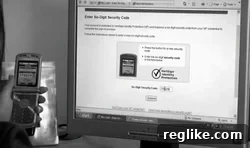
Several registrars have already implemented two-factor authentication to protect their users’ accounts. For example, Name.com offers a key fob that generates constantly changing security pins. This provides a convenient and secure way for users to authenticate their logins.
Another popular method is to use a smartphone app that generates one-time passwords. When a user logs in to their registrar account, the app provides a unique password that is valid for a short period. This adds an extra layer of security without requiring the user to carry around a physical device.
VeriSign itself offers this service for non-domain websites, such as PayPal, demonstrating its commitment to promoting the adoption of two-factor authentication across the internet.
Benefits of Two-Factor Authentication
- Enhanced login security: Two-factor authentication makes it much more difficult for hackers to gain unauthorized access to your registrar account.
- Protection against password compromise: Even if your password is stolen or compromised, two-factor authentication will prevent hackers from logging in to your account.
- Peace of mind: Knowing that your account is protected by two-factor authentication can provide peace of mind, especially if you use a weak or easily guessable password.
- Increased trust: Offering two-factor authentication can increase trust in your registrar, as it demonstrates a commitment to protecting your users’ security.
DNSSEC: Securing the Domain Name System
VeriSign’s commitment to domain security extends beyond Registry Lock and two-factor authentication. The company is also actively involved in implementing DNSSEC (Domain Name System Security Extensions), a suite of security protocols that are designed to protect the integrity of the Domain Name System (DNS). DNSSEC helps to prevent DNS spoofing attacks, in which hackers redirect users to fake websites by manipulating DNS records.
VeriSign is currently implementing DNSSEC across its domain registries, starting with .edu and then rolling out to .net and .com. By securing the DNS infrastructure, VeriSign is helping to create a safer and more secure online environment for everyone.
Conclusion: Proactive Domain Security is Essential
In today’s digital world, domain security is no longer an option; it is a necessity. The increasing sophistication of cyber threats requires proactive security measures to protect domain names from hijacking and other malicious attacks. VeriSign’s Registry Lock and two-factor authentication provide powerful tools for enhancing domain security and safeguarding online assets. By implementing these measures, domain owners can significantly reduce the risk of becoming victims of cybercrime and protect their businesses from the potentially devastating consequences of domain hijacking.
By taking advantage of VeriSign’s security offerings, businesses and individuals can ensure that their domain names remain secure and their online presence is protected. Don’t wait until it’s too late – take action today to secure your digital assets and protect your future online.