
The Hangover Part III: Warner Bros.’ Strategic Domain Registrations and Digital Marketing Play
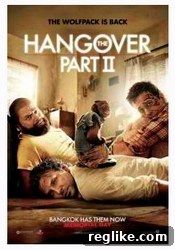
The “Hangover” film series captivated audiences worldwide with its unique brand of chaotic humor, memorable characters, and unexpected plot twists. Following the monumental success of its predecessors, particularly “The Hangover Part II” which garnered an impressive $200 million in its opening five days, anticipation for a third installment reached a fever pitch. As director Todd Phillips openly discussed plans for “The Hangover Part III,” major studios like Warner Bros. sprung into action, not just in pre-production, but in securing their digital footprint – a crucial step in modern film marketing.
In a strategic move to preemptively establish their online presence and protect their intellectual property, Warner Bros. initiated the registration of several domain names directly related to “The Hangover Part III.” This proactive approach is a hallmark of savvy entertainment companies looking to control their narrative and guide fan engagement from the earliest stages of a project’s life cycle. Among the registered domains were specific variations designed to cover various search queries and branding possibilities:
Hangover3movie.comHangoverMovie3.comHangover-3.comthe-hangover-3.comtheHangoverMovie3.com
Navigating the Digital Landscape: When Key Domains Are Already Occupied
Despite Warner Bros.’ diligent efforts, the vast and often unpredictable landscape of the internet means that some prime domain names may already be occupied. Such was the case with Hangover3.com, which was registered by an individual in Washington D.C. This scenario is a common challenge for corporations and brands across all industries, highlighting the constant race to secure digital real estate that perfectly matches a product or brand name. It demonstrates that even a global powerhouse like Warner Bros. isn’t immune to the complexities of domain ownership.
For many, the immediate assumption might be that a colossal studio would simply purchase the desired domain, regardless of the cost. However, the reality of digital marketing for major film studios often tells a different story. As experts in the field frequently point out, paying exorbitant sums for a “perfect” domain name is rarely the preferred or most cost-effective strategy. This counter-intuitive approach is rooted in a deep understanding of return on investment, alternative digital marketing channels, and intellectual property law.
Why Big Studios Rarely Pay Exorbitant Sums for Specific Domain Names
The decision not to chase after every single domain, especially those held by third parties for speculative purposes (often referred to as cybersquatting, though not always legally defined as such), is a calculated one. There are several compelling reasons why a major entertainment entity like Warner Bros. opts for alternative solutions rather than engaging in costly acquisition battles:
-
Cost-Benefit Analysis: The potential millions required to acquire a simple domain like
Hangover3.comfrom a private owner often far outweigh the marginal benefit it might provide over alternative, easily obtainable domains. Studios operate on meticulously planned budgets, and these funds can be much more effectively allocated to core production costs, attracting top-tier talent, or executing robust global marketing campaigns that reach millions. Investing heavily in a single domain with limited added value is often seen as inefficient. - Powerful Brand Recognition: Major film franchises, particularly those with a global following like “The Hangover,” already possess immense brand power and cultural penetration. Fans and general audiences are typically directed to official websites through a multitude of channels – official trailers on YouTube, studio announcements via press releases, extensive social media campaigns, and coverage by major news outlets. When a brand is a household name, the exact string of a domain name becomes less critical as the brand itself is the primary identifier.
-
Sophisticated Alternative Domain Strategies: Studios are adept at creating memorable and official-sounding domain names even when the most obvious ones are taken. For example, the official site for “The Hangover Part II” was not
Hangover2.com(which, ironically, remained parked and unused by its registrant), but ratherHangoverPart2.WarnerBros.com. This strategy cleverly leverages the studio’s own robust digital infrastructure and established corporate brand identity, clearly signaling authenticity and official status to visitors. Other common tactics include adding descriptive prefixes like “Official,” “TheMovie,” or using unique subdomains tailored to the film’s full, official title. -
Navigating Intellectual Property Laws (and Their Limitations): While intellectual property law, such as the Anti-cybersquatting Consumer Protection Act (ACPA) in the U.S. or the Uniform Domain-Name Dispute-Resolution Policy (UDRP) internationally, exists to prevent the bad-faith registration of domain names that infringe on trademarks, reclaiming a generic-sounding domain like “Hangover3.com” can be legally complex. If the registrant of
Hangover3.comhad no prior knowledge of “The Hangover” franchise, registered it for a legitimate, non-competing purpose, or if there’s no clear evidence of intent to profit specifically from the movie’s brand, the legal battle could be lengthy, expensive, and ultimately uncertain. Studios often weigh these legal complexities against the practical and more immediate alternatives. - Emphasis on a Broader Digital Presence: In today’s interconnected digital world, a single domain name is just one component of a much larger digital ecosystem. Modern film marketing strategies are multi-faceted, encompassing massive social media campaigns across platforms like X (formerly Twitter), Instagram, TikTok, and YouTube, alongside partnerships with streaming platforms, interactive fan experiences, and extensive public relations efforts. A slightly less “perfect” domain does not significantly hinder the overall reach or effectiveness of a well-executed, comprehensive digital marketing plan.
The Broader Importance of Proactive Domain Strategy for Film Studios
Beyond the specific case of “The Hangover Part III,” the Warner Bros.’ approach highlights a sophisticated understanding of digital asset management within the entertainment industry. Registering a comprehensive portfolio of related domain names serves several critical functions in establishing and maintaining a dominant online presence:
Brand Protection and Anti-Spoofing Measures
Registering multiple variations of a film’s title (e.g., with hyphens, without, adding “movie,” pluralizations, common misspellings) acts as a crucial defensive measure. This strategy prevents opportunistic cybersquatters from registering similar names that could confuse fans, siphon off valuable web traffic, or even be used for malicious purposes such as phishing scams or distributing unofficial content. By controlling these variations, the studio maintains authority over its brand’s online representation, ensuring that when fans search for information, they are directed to official, safe, and authoritative sources.
Enhanced SEO and Discoverability
While often consolidated into one primary official website, owning several relevant domain names can significantly contribute to a stronger search engine optimization (SEO) strategy. Each domain, even if simply redirecting to a central hub, can potentially capture different search queries. For instance, some users might intuitively search for “Hangover 3 movie,” while others might type “The Hangover 3 film,” or even just “Hangover 3.” Owning domains that closely match these diverse search patterns helps maximize discoverability and ensures the film’s official content ranks highly in various search engine results, driving organic traffic to the studio’s owned platforms.
Marketing Flexibility and Future-Proofing Digital Assets
A broad portfolio of domains offers invaluable flexibility in executing dynamic marketing campaigns. Different domains could theoretically be used for specific regional promotions, dedicated merchandise tie-in sites, fan club portals, or even for teasing future spin-offs or sequels, without the need to negotiate new domain acquisitions each time. This foresight effectively future-proofs the digital assets, ensuring the studio has ample options as the franchise evolves, new marketing opportunities arise, or the digital landscape shifts.
Consolidating Fan Engagement and User Experience
Ultimately, these strategically acquired domains serve as potential gateways to a unified and immersive digital experience. They funnel curious fans, media professionals, and potential ticket buyers to a central online location where they can access a wealth of official content: high-definition trailers, comprehensive cast and crew information, exclusive behind-the-scenes content, convenient ticket purchase links, and official merchandise stores. This consolidation streamlines the user journey, prevents fragmentation of the audience, and significantly enhances the overall fan engagement experience.
The Evolution of Film Marketing in the Digital Age
The “Hangover” franchise emerged at a time when digital marketing for films was rapidly evolving, moving beyond simple static websites. While core domain names remain fundamental cornerstones, the landscape has broadened significantly. Today, a successful film launch hinges not only on a robust official website but also on a dynamic and interactive presence across major social media platforms like X (formerly Twitter), Instagram, TikTok, and YouTube. Engaging, shareable content, interactive campaigns, strategic influencer collaborations, and real-time audience interaction are paramount for building buzz and fostering a loyal community.
Studios now invest heavily in creating immersive digital experiences that go far beyond what a traditional website offered a decade ago. From augmented reality filters that place fans within the movie’s universe, to interactive games, virtual premiere events, and personalized content delivery, the goal is to generate widespread buzz, foster a deep sense of community around the film, and drive direct engagement with the audience. In this rich, multi-platform environment, the specific URL of a single domain, while still important for official branding and redirects, often plays a supporting role to the overall digital ecosystem carefully cultivated by the studio.
Conclusion: A Strategic Digital Foundation for Cinematic Success
Warner Bros.’ proactive registration of multiple “The Hangover Part III” domain names is a clear illustration of a sophisticated and forward-thinking digital strategy within the entertainment industry. It underscores the critical importance of brand protection, proactive SEO, and maintaining comprehensive control over a film’s online narrative from its earliest inception. While the studio wisely avoids overpaying for already-registered “ideal” domains, their comprehensive approach ensures that the franchise maintains a powerful, easily discoverable, and authoritative digital footprint across the web.
The continued box office prowess and enduring cultural impact of “The Hangover” series, coupled with Warner Bros.’ shrewd and adaptive management of its digital assets, exemplifies how major film studios adapt to and master the complexities of the internet age. Their strategy demonstrates that a holistic and integrated digital presence, rather than an exclusive reliance on a single, “perfect” domain name, is the true cornerstone of modern cinematic marketing success and enduring audience connection.