
Strategic Advertising: How GoDaddy and Wix Capitalized on the Pandemic-Driven Digital Rush
The global landscape has undergone an unprecedented transformation in recent years, with the COVID-19 pandemic acting as a powerful catalyst for digital acceleration. As businesses worldwide grappled with lockdowns, social distancing mandates, and shifting consumer behaviors, the imperative to establish a robust online presence became more critical than ever. This sudden and profound shift created an immense surge in demand for services that facilitate digital transformation, directly benefiting major players in the web services industry like GoDaddy (NYSE: GDDY) and Wix (NASDAQ: WIX).
For these providers, the past year has been remarkably fruitful. From individual entrepreneurs looking to sell crafts online to established brick-and-mortar stores needing to implement e-commerce solutions, the scramble to adapt to a digitally-centric world led countless businesses to seek professional assistance in building and maintaining their online platforms. Yoga instructors transitioned to virtual classes, local restaurants pivoted to online take-out and delivery systems, and consultants moved their entire operations to digital meeting rooms and virtual offices. This collective movement underscored the non-negotiable role of a strong online footprint in ensuring business continuity and growth in a rapidly evolving market.
GoDaddy and Wix Experience Unprecedented Growth Amidst Crisis
The impact of this rapid digital migration is clearly reflected in the impressive performance metrics reported by leading web service providers. GoDaddy, a dominant force in domain registration and web hosting, achieved a significant milestone by adding over 1 million net paying customers during the first three quarters of this year alone. This figure represents an unparalleled customer acquisition rate in the company’s 23-year history, signaling a period of extraordinary expansion and solidifying its position as a cornerstone for businesses looking to establish their digital identity. Such growth demonstrates the critical role GoDaddy plays in enabling individuals and small to medium-sized businesses to secure their digital infrastructure, from domain names to comprehensive hosting and security solutions.
Similarly, Wix, renowned for its user-friendly website builder platform, experienced a substantial uplift in its financial performance. The company reported a remarkable 33% increase in collections (gross sales) in the second quarter of 2020 compared to the same period in 2019. This surge highlights the increasing appeal of intuitive, drag-and-drop website development tools, particularly for entrepreneurs and small business owners who lack extensive technical expertise but urgently need to establish an effective online storefront, portfolio, or service portal. Wix’s platform offers a streamlined path to a professional web presence, making it an ideal choice for those navigating the complexities of going digital under pressure.
Strategic Advertising Fuels Customer Acquisition and Market Dominance
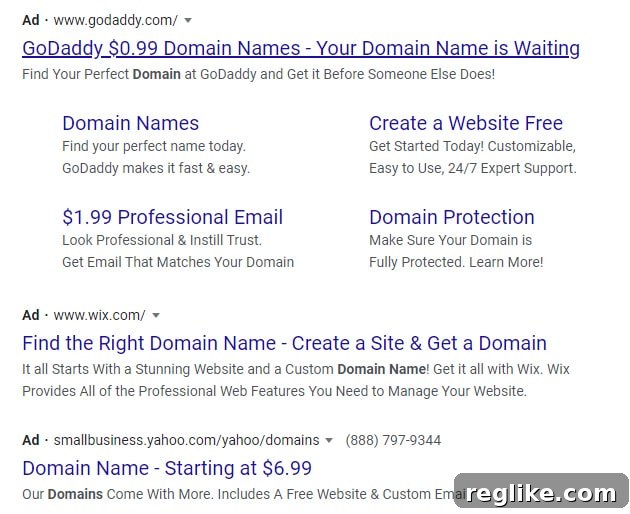
While the pandemic undoubtedly created a fertile ground for these companies, their remarkable growth wasn’t solely organic. Both GoDaddy and Wix made calculated decisions to invest heavily in advertising and marketing, strategically positioning themselves to capture the burgeoning demand. This proactive and aggressive approach allowed them to not only meet but also significantly amplify the influx of new customers seeking to transition their operations online, effectively turning a global crisis into a powerful growth opportunity.
GoDaddy’s Aggressive Marketing Investment Strategy
GoDaddy’s commitment to seizing this market opportunity is evident in its escalating marketing and advertising expenditure. In the third quarter of this year, the company’s spend in this area surged by an impressive 45% year-over-year, reaching a substantial $115.4 million. This followed a 16% increase in the second quarter, where marketing expenses totaled $104.4 million. These figures underscore a deliberate and sustained effort to dominate advertising channels and attract new users amidst heightened competition. GoDaddy’s extensive marketing campaigns likely spanned various platforms, including prominent placements in search engine marketing (SEM), targeted social media advertisements, impactful television commercials, and strategic partnerships. This multi-channel approach ensured maximum visibility for its comprehensive suite of web services, encompassing everything from simple domain names to advanced web hosting, email services, and online marketing tools, all essential for businesses embarking on their digital journey.
Wix’s High-Stakes Acquisition Strategy and Impressive ROI
Wix adopted an even more aggressive stance in its customer acquisition strategy. In the second quarter of 2020, the company dramatically increased its acquisition marketing spend by a staggering 90% year-over-year, pouring $75 million into its promotional efforts. This substantial investment reflects Wix’s confidence in the long-term value of the customers acquired during this period. For a company focused on providing accessible web design solutions, reaching a broad audience quickly and effectively was paramount. Their marketing push aimed to convert urgent business needs into new subscribers, capitalizing on the simplicity and effectiveness of their platform for creating professional-grade websites without coding expertise.
The significant marketing investments made by Wix were not made blindly; they were strategic gambles with a clear expectation of high returns. For Wix, this aggressive spending has already begun to pay substantial dividends. The company reported that it recouped an impressive $38 million of its Q2 acquisition advertising spend in new sales by the end of that same quarter. This rapid recovery demonstrates the efficiency and effectiveness of their targeted campaigns, quickly turning marketing dollars into tangible revenue.
More importantly, Wix projects that the customers who signed up in Q2 alone are expected to generate an astounding $570 million in revenue over their lifetime. This focus on customer lifetime value (LTV) is crucial for subscription-based businesses. It justifies higher initial customer acquisition costs (CAC) when those customers are likely to remain subscribers for extended periods, repeatedly purchasing services and potentially upgrading their plans. This long-term perspective allows companies like Wix to invest heavily upfront, confident in the sustained revenue streams these new relationships will generate, reinforcing their position as a top-tier provider of online business solutions.
Understanding the Dynamics of Increased Ad Spend in a Digital Boom
The surge in advertising expenditure by these industry leaders can be understood through two primary lenses, each contributing significantly to their ability to capture market share during a period of intense digital acceleration:
-
Responding to Organic Search Demand: As millions of businesses and individuals flocked to search engines like Google to find immediate solutions for “how to create a website,” “buy a domain name,” “set up an online store,” or “build a professional online presence,” the competition for these high-intent keywords naturally intensified. GoDaddy and Wix, recognizing this unprecedented wave of search queries, significantly increased their bids on relevant terms. This aggressive bidding ensures that their ads appear prominently at the top of search results, directly capturing users who are actively seeking their services at the precise moment of need. The inevitable rise in Cost Per Click (CPC) for these valuable keywords necessitates a higher budget simply to maintain visibility and maintain a leading position in an increasingly competitive digital advertising landscape.
-
Proactive Market Capture and Brand Building: Beyond merely reacting to existing search demand, these companies also proactively expanded their advertising budgets across a broader spectrum of media channels. This includes extensive campaigns on popular social media platforms, pervasive display advertising networks, engaging video advertising, and potentially even traditional media like television and radio, where broad reach can significantly boost brand recognition. The overarching goal here is not just to capture existing demand but also to cultivate new demand, build powerful brand awareness, and firmly establish themselves as the go-to solutions for anyone needing an online presence. In a moment of global crisis and rapid transformation, being top-of-mind for potential customers is a distinct competitive advantage, reinforcing their position as leaders in the digital solutions market and driving long-term customer loyalty.
A Contrasting Strategy: Web.com’s Retreat from Paid Search
Interestingly, not all companies followed the aggressive advertising strategy adopted by GoDaddy and Wix. Web.com, the parent company behind well-known brands like Network Solutions and Web.com, presented a contrasting approach. This year, the company observed a dramatic drop in new registrations, a trend that stands in stark opposition to the market leaders’ impressive gains.
A highly probable explanation for this decline lies in its reduced presence, or complete withdrawal, from Google advertising for domain name related terms. Web.com, particularly Network Solutions, was historically known for offering highly attractive low first-year prices for popular domain extensions like .com through its search ads. These promotional offers, often just a couple of dollars, were effective in drawing in new customers by leveraging price sensitivity. However, it’s plausible that the escalating bid prices on these highly competitive keywords, driven largely by the increased spending from rivals like GoDaddy and Wix, no longer delivered the desired return on investment for Web.com. This suggests a strategic reassessment, where the cost of acquiring new customers through paid search may have outweighed the projected lifetime value, leading to a pivot away from that specific channel.
This strategic divergence highlights the varying philosophies and financial capacities within the industry. While GoDaddy and Wix saw the pandemic as an opportunity for aggressive expansion and long-term customer acquisition, Web.com’s decision suggests a prioritization of different metrics, perhaps focusing on higher-value existing customers, exploring alternative acquisition channels, or simply being unwilling to engage in a costly bidding war. It underscores that while increased demand for online services was universal, the ability and strategy to effectively capture that demand through advertising varied significantly among key players, directly impacting their market share and new customer acquisition rates.
The Enduring Legacy of Digital Transformation and Strategic Investment
The events of the past year have indelibly reshaped the business landscape, permanently accelerating the adoption of digital technologies across all sectors. The strategic investments made by GoDaddy and Wix in marketing and advertising during this critical period were not merely short-term tactics but rather foundational moves that cemented their positions as indispensable partners in the ongoing digital transformation for businesses of all sizes. By effectively channeling the surge in demand for online presence solutions, they have not only bolstered their own growth but also enabled countless enterprises to survive, adapt, and even thrive in an increasingly digital-first world, showcasing remarkable resilience and foresight.
The new customers acquired during this unique period represent long-term revenue streams and a broadened market reach that will continue to pay dividends well into the future. This success story exemplifies the profound importance of agility, strategic investment in marketing, and a deep understanding of market dynamics in an ever-evolving global economy. For any business aiming to succeed today and in the years to come, a strong online presence is no longer a luxury but an absolute necessity, and companies like GoDaddy and Wix remain at the forefront of enabling this essential shift, driving innovation and accessibility in the digital realm.