
Exploring the Transformative Impact of RCEP on the Global Domain Name Landscape
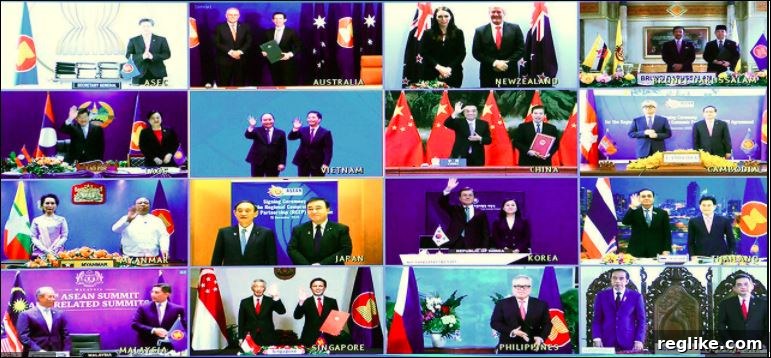
In recent discussions surrounding international trade and economic partnerships, one agreement consistently emerges as a potential game-changer: the Regional Comprehensive Economic Partnership, or RCEP. This landmark pact, signed on November 15th, 2020, is poised to reshape global economic dynamics, particularly within Asia, and its ripple effects are expected to have a profound and positive long-term impact on the demand for domain names, especially those catering to the burgeoning Chinese market.
Understanding the RCEP: A New Era for Regional Economic Integration
The Regional Comprehensive Economic Partnership (RCEP) represents an ambitious free trade agreement encompassing ten Southeast Asian nations (Brunei, Cambodia, Indonesia, Laos, Malaysia, Myanmar, Philippines, Singapore, Thailand, and Vietnam), alongside five key Asia-Pacific partners: South Korea, China, Japan, Australia, and New Zealand. Following its signing, the agreement is set to formally enter into force in 2021, once ratified by a sufficient number of member countries. This comprehensive pact has been under negotiation for nearly a decade, signifying the commitment of its members to forge stronger economic ties and establish a unified market framework across one of the world’s most dynamic regions.
This agreement is not merely another trade deal; it signals a definitive shift in global economic power towards Asia. With the inclusion of economically diverse nations, including traditionally Western-aligned countries like Australia and New Zealand, RCEP underscores a growing recognition of Asia’s central role in the 21st-century economy. The 15-member group is a formidable bloc, already accounting for approximately 30% of the global population and an equivalent share of the world’s Gross Domestic Product (GDP). Projections indicate that the RCEP zone is on track to become the largest economic bloc on the planet, dwarfing existing agreements in terms of sheer market size and demographic reach. This unprecedented scale will undoubtedly foster an environment ripe for business growth, cross-border trade, and, crucially, a significantly expanded digital footprint.
RCEP’s Role in Fueling the Digital Economy and Domain Name Demand
Beyond traditional trade liberalisation, the RCEP agreement is widely anticipated to catalyze the emergence of the world’s largest digital economy. In an increasingly interconnected world, where business operations and consumer interactions are predominantly online, a robust digital infrastructure is paramount. The RCEP region, with its vast population and growing internet penetration, is set to become the dominant venue for digital commerce and innovation. Domains, as the fundamental addresses of the internet, are inextricably linked to this digital transformation. As businesses expand their reach and establish an online presence across RCEP member countries, the demand for distinctive, memorable, and globally recognized domain names will experience a substantial surge.
The foundational role of domain names in the digital economy cannot be overstated. Every website, every e-commerce platform, every online service, and every digital brand identity relies on a unique domain. As RCEP facilitates easier cross-border transactions and market access, businesses – from nascent startups to multinational corporations – will require a strong digital presence in multiple markets. This isn’t just about having a website; it’s about establishing brand credibility, facilitating online sales, providing customer support, and engaging with diverse consumer bases across the entire RCEP region. This intensified digital activity will inherently drive up the value and demand for premium domain assets, positioning them as critical investments for any enterprise looking to thrive in this new economic landscape.
Harmonization of Standards and Intellectual Property Rights: A Game Changer
One of the most significant, yet often underappreciated, aspects of RCEP is its commitment to establishing common standards and regulatory frameworks across member states. This goes far beyond mere tariff reductions; it addresses the complexities of doing business in a multinational environment by streamlining various operational, legal, and intellectual property (IP) considerations. A key provision within RCEP mandates that intellectual property rights registered in one member country will be recognized and protected across all other member countries. This harmonization is a monumental step, reducing administrative burdens and offering greater legal certainty for businesses operating internationally.
For domain names, this common standard for intellectual property protection carries profound implications. Enhanced IP recognition means that brand owners can more effectively safeguard their trademarks and associated domain names against cyber squatting and unauthorized use across the entire RCEP bloc. This increased legal clarity and protection will instill greater confidence in companies to invest in their digital brands and expand their online presence without fear of widespread intellectual property infringements. It encourages domestic companies to transcend national borders, leveraging their established brand identities and corresponding domain portfolios to engage with new markets, knowing that their digital assets are protected by a unified legal framework. This robust IP environment will further stimulate the demand for domain names, as businesses will seek to secure their online identities in a more secure and predictable regional market.
The “Go Global” Imperative for Chinese Enterprises
For many years, the Chinese government has actively encouraged its domestic companies to “go global” – to expand their operations and market reach beyond China’s borders. Leading Chinese tech giants and e-commerce platforms, such as Alibaba, Tencent, and JD.com, have already made substantial investments and established a significant presence in Southeast Asia. The advent of RCEP amplifies this “go global” imperative, making international expansion not just a strategic option but an increasingly attractive and streamlined path to growth. RCEP effectively lowers the barriers to entry into new markets within the region, simplifying trade processes, reducing logistical complexities, and fostering a more integrated economic environment.
This regional integration provided by RCEP will significantly accelerate the internationalization strategies of countless Chinese companies, from large conglomerates to small and medium-sized enterprises (SMEs). With easier access to diverse consumer markets, simplified supply chains, and harmonized regulations, Chinese businesses will find it considerably more appealing and economically viable to establish strong footholds across the RCEP member states. This expansion will naturally necessitate a robust and professional online presence in these new markets, driving a surge in the acquisition and strategic deployment of domain names that resonate with international audiences and facilitate cross-border digital interactions.
The Undeniable Gravitation Towards .COM and English-Based Domains
As Chinese companies increasingly pursue their global ambitions within the RCEP framework, a discernible and intensifying trend is the adoption of .com domains, particularly those that are English-based. This preference is driven by clear strategic considerations: .com remains the undisputed global standard for domain extensions, universally recognized and trusted by internet users worldwide. Similarly, English continues to serve as the dominant language of international business and communication. Therefore, for companies aiming for genuine international market penetration, an English-based .com domain offers unparalleled credibility, accessibility, and brand recall.
Many prominent Chinese enterprises have already embraced this domain strategy, recognizing its importance for international branding. Companies like Netease.com, Ctrip.com, and VIP.com are prime examples of this trend, leveraging .com domains to establish a strong global identity. Indeed, various studies, including one referenced earlier in Domain Name Wire, have consistently shown that .com is already the most preferred domain extension among top corporations in China for their global ventures. The implementation of RCEP will only intensify this trend, as the need for universal brand recognition and seamless cross-border digital operations becomes more critical. Companies will prioritize domains that convey an international outlook and are easily understood by diverse customer bases across the RCEP region and beyond, solidifying the position of .com as the go-to choice for global expansion.
Strategic Implications for Western Domain Investors
For domain investors in Western markets, the RCEP agreement presents a significant and compelling opportunity. The direct implication is a projected increase in demand for high-quality, English-based .com domain names originating from China and, more broadly, across the entire RCEP region. As businesses within this massive economic bloc strive for international recognition and seek to establish their digital presence, they will actively search for domain names that are brandable, memorable, and convey professionalism in the global marketplace. This heightened demand translates into potential appreciation in value for relevant domain assets.
Therefore, if you possess a portfolio of valuable English-based .com domains, it is more crucial than ever to ensure their visibility and accessibility to potential end-users in China and other RCEP member countries. Investors should proactively explore avenues to expose their domains to this burgeoning market. This includes listing domains on international marketplaces frequented by Asian buyers, considering specialized brokers with strong networks in the region, and understanding preferred payment methods and acquisition processes specific to these markets. For more detailed guidance on effectively reaching this lucrative market, it would be beneficial to review resources such as the article on “How to sell domains to China.” By strategically positioning your domain assets, Western investors can capitalize on the monumental economic shifts brought about by RCEP and the growing appetite for premium domain names in Asia’s dynamic digital landscape.
The RCEP agreement is more than a trade deal; it’s an economic catalyst poised to reshape global commerce, accelerate digital transformation, and profoundly influence the domain name industry. Its emphasis on regional integration, harmonized standards, and the encouragement of cross-border digital business will inevitably drive a sustained and robust demand for relevant domain assets, particularly English-based .coms. Savvy domain investors and businesses alike should pay close attention to these developments and strategically align their efforts to leverage the immense opportunities presented by this groundbreaking partnership.