
Google Adsense for Domains Unveils Dynamic New Templates: A Deep Dive into Enhanced Monetization
In the ever-evolving landscape of online monetization, Google continues to refine its offerings to help domain owners maximize their assets. A significant development is currently unfolding within Google’s self-service domain name parking program, Adsense for Domains. Recent observations indicate that Google is actively testing a series of new design templates, signaling a potential shift towards more engaging and performance-optimized landing pages for parked domains.
For domain owners relying on Adsense for Domains to generate revenue from their undeveloped web properties, these updates are not merely cosmetic. They represent Google’s ongoing commitment to improving ad relevance, user experience, and ultimately, the earning potential of parked domains. Effective landing page design is paramount in encouraging user engagement and click-through rates (CTR), turning passive domain ownership into an active income stream.
The Introduction of Diverse New Templates
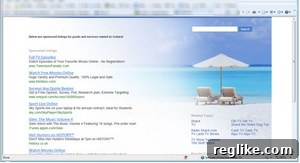
The first hints of these exciting changes came from an observant reader who reported an example of a domain name utilizing Adsense for Domains. This particular domain exhibited a fascinating rotation between three distinct landing page designs. Beyond the familiar, standard template that many domainers have grown accustomed to, two entirely new variations were in play: a more minimalist, basic design, and a strikingly vibrant template featuring a tropical theme.
This dynamic testing approach by Google suggests a strategic effort to identify which design elements resonate most effectively with users and advertisers. The rotation allows Google to collect valuable data on how different aesthetics and layouts influence key performance indicators, such as ad impressions, clicks, and revenue generation. It’s a classic A/B testing scenario scaled across a global network of parked domains, all aimed at optimizing the user journey from domain entry to ad interaction.
Visualizing the New Designs: Tropical and Basic Themes
The tropical-themed template stands out significantly from previous designs by incorporating a graphic element. This inclusion marks a departure from the typically text-heavy or simple layouts seen on parked domains. A visually appealing graphic, like a tropical scene, can instantly make a landing page more inviting and less generic. For domains related to travel, leisure, or specific geographic locations, such a theme could dramatically improve relevance and user experience, potentially leading to higher engagement rates and better ad performance.
Consider the psychological impact: a visually richer page can feel more legitimate and less like a placeholder, encouraging users to browse the displayed ads rather than immediately navigating away. This template showcases Google’s willingness to experiment with visual cues to enhance the perceived value and trustworthiness of parked domains.
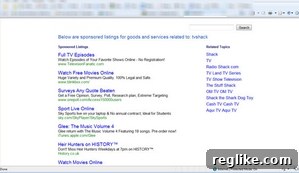
In contrast, the “more basic” template likely represents an effort to streamline the user experience, focusing purely on essential ad content with minimal design flourishes. While the tropical theme aims for visual appeal, a basic template might prioritize faster loading times and an uncluttered environment, ensuring ads are the absolute focal point. This approach could be highly effective for domains where direct ad interaction is paramount and users are seeking quick information or links.
Both templates, despite their stark differences, highlight Google’s commitment to optimizing the first impression a parked domain makes. The basic template, stripped down to its core, might perform exceptionally well in environments with lower bandwidth or for users who prefer a no-frills browsing experience, proving that sometimes less is indeed more when it comes to effective landing page design.
Targeted Designs: The Financial Domain Template
The insights into Google’s template evolution didn’t stop there. Another dedicated Adsense for Domains user shared a crucial observation, revealing a specialized template appearing on some of their financial domains. This discovery suggests that Google isn’t just experimenting with general themes but is also developing niche-specific designs tailored to particular industries or categories of domain names.
A template designed specifically for financial domains would likely incorporate elements that convey trustworthiness, professionalism, and clarity. In the financial sector, users expect precision and a serious tone. Therefore, such a template would probably feature a clean layout, sober color schemes, and a focus on displaying financial-related advertisements prominently and legibly. This targeted approach could significantly enhance the relevance of ads displayed on these high-value domains, leading to higher CTRs and more lucrative monetization.
By tailoring templates to specific domain categories, Google can optimize ad placement and design for maximum effectiveness. A financial template, for instance, might prioritize displaying ads for loans, investments, insurance, or banking services in a manner that encourages clicks from users specifically seeking such information. This level of customization underscores Google’s advanced algorithmic capabilities in matching content, design, and user intent.

The Enigma of Template Control and Global Testing
Despite these exciting developments, many domain owners, including myself, have found themselves unable to manually select or test these alternative templates within their Adsense for Domains accounts. This lack of direct control points to Google’s strategic approach to rollouts and optimization.
There are several compelling reasons why Google might withhold direct template selection from users:
- A/B Testing Methodology: Google likely wants to maintain controlled testing environments to gather unbiased performance data. Allowing manual selection could skew results and make it harder to draw definitive conclusions about template effectiveness.
- Algorithmic Assignment: It’s probable that templates are being assigned algorithmically based on various factors, such as domain category, geographic location of traffic, past performance data, or even user behavior patterns. Google’s AI determines which template is most likely to yield the best results for a specific domain at a given time.
- Phased Rollout: New features and designs are often rolled out in phases to a subset of users or domains. This allows Google to monitor performance, identify bugs, and make adjustments before a wider release.
The rotating example initially observed was for an .es domain name. This detail leads to speculation that Google might be concentrating its testing efforts on non-U.S. accounts or specific country-code top-level domains (ccTLDs). Testing in international markets first could be a deliberate strategy to assess performance in diverse linguistic and cultural contexts, or perhaps to test features in markets where the volume of traffic might allow for more controlled experimentation without impacting core U.S. revenue streams significantly.
It’s also possible that Google is testing specific functionalities or designs that are more relevant to certain geographical regions or types of domains. For instance, a graphic-heavy template might be evaluated in regions where visual content is particularly popular, or financial templates in markets with high activity in specific financial sectors. This targeted testing strategy allows Google to refine its offerings before a broader global deployment, ensuring maximum impact and efficiency.
Adsense for Domains vs. Third-Party Parking Services
It’s crucial for domain owners to understand the distinction between Google Adsense for Domains and third-party domain parking services such as DomainSponsor, Sedo, or ParkingCrew. While both utilize Google’s ad feed, their operational models and value propositions differ significantly.
Google Adsense for Domains “Online” is a direct, self-service product offered by Google. Domain owners connect their domains directly to their AdSense accounts, and Google manages the ad serving, template selection (as seen), and revenue sharing. This platform is typically straightforward to set up and manage, appealing to domainers who prefer a hands-on, direct relationship with Google’s monetization engine.
Conversely, services like DomainSponsor and Sedo operate as intermediaries. They integrate Google’s ad feed (among others) into their proprietary parking platforms. These companies provide their own sophisticated templates, advanced optimization tools, dedicated account management, and often more granular control over ad types and layouts. They leverage their expertise and technology to optimize parked domains for higher revenue, offering value-added services that go beyond what Google’s self-service platform typically provides.
The choice between Google’s direct service and a third-party provider often comes down to the domain owner’s comfort level with technology, the size of their portfolio, and their desire for advanced optimization features. While Google’s new templates signal an improvement in its self-service offering, third-party platforms still often excel in providing bespoke solutions, detailed analytics, and proactive management that can be crucial for maximizing revenue from large or high-value domain portfolios.
The Future of Domain Parking Monetization
These template updates signify Google’s continued investment in the domain parking segment, an often-overlooked but vital part of the internet ecosystem. By introducing more dynamic and specialized templates, Google is clearly striving to enhance the user experience on parked domains, reduce bounce rates, and ultimately drive more valuable ad clicks.
For domain owners, this means a potentially brighter future for monetizing undeveloped properties. While the lack of immediate control over template selection might be frustrating for some, it also suggests that Google is employing sophisticated machine learning to automatically apply the most effective design for a given domain and its traffic profile. The focus appears to be on automated, data-driven optimization rather than manual user configuration.
As Google continues to refine these templates and potentially introduce more niche-specific designs, domain owners should:
- Monitor their domains: Regularly check how your parked domains are appearing to users.
- Observe performance: Pay attention to any changes in impression rates, CTR, and revenue from your Adsense for Domains accounts.
- Stay informed: Keep abreast of Google’s updates and industry news regarding domain monetization.
Conclusion: Adapting to Evolving Strategies
The rollout of new, diverse templates for Google Adsense for Domains is a clear indicator that Google is dedicated to improving the efficacy and profitability of parked domain monetization. From visually engaging tropical themes to streamlined basic layouts and niche-specific financial designs, these changes are designed to optimize ad relevance and user engagement. While the control over these templates remains with Google’s algorithms, domain owners can anticipate a more refined and potentially more lucrative parking experience. Adapting to these evolving strategies and understanding Google’s commitment to continuous improvement will be key for successful domain portfolio management in the years to come.