
The Softcard Rebrand: A Pivotal Lesson in Crisis Branding and Domain Strategy
In the fast-paced world of digital commerce and global events, a company’s brand identity can be both its greatest asset and its most vulnerable point. The story of the mobile payments service formerly known as ISIS, and its eventual transformation into Softcard, stands as a compelling testament to this truth. It’s a remarkable case study that illustrates the critical importance of strategic rebranding, extensive due diligence in naming, and the intricate challenges of securing a robust digital identity in a rapidly evolving landscape.
When a Name Becomes a Liability: The ISIS Conundrum
For years, ISIS stood as an acronym for the “Identity Security IS an Issue” mobile payments consortium, a joint venture between major U.S. mobile carriers AT&T, T-Mobile, and Verizon Wireless. Their ambition was to revolutionize how consumers paid for goods and services using their smartphones, leveraging near-field communication (NFC) technology to facilitate secure and convenient transactions. However, as global geopolitical events unfolded, their brand encountered an unforeseen and devastating crisis.
The rise of a notorious extremist organization sharing the identical acronym—ISIS—created an instant and irreparable association problem. Suddenly, a brand synonymous with technological innovation and secure financial transactions was inadvertently linked to terrorism, violence, and global instability. This unfortunate coincidence transformed a well-intentioned brand name into an immediate and profound liability. For any business, particularly one aiming to build consumer trust in sensitive areas like mobile payments, such a negative perception is an existential threat to its very existence and growth trajectory.
The company quickly recognized the severity of the situation. Continuing to operate under the name ISIS would have been catastrophic, leading to widespread confusion, public backlash, and an insurmountable barrier to user adoption. Potential investors and partners would be deterred, and the brand’s reputation would be irrevocably tainted. The imperative for a comprehensive and swift rebranding was clear: they needed to shed the toxic association and forge a new identity that could restore public confidence and allow their innovative mobile payment solutions to thrive in a competitive market.
The Urgent Quest for a New Identity: Signs of Change Emerge
The decision to rebrand was made in the summer, a period marked by intense internal deliberations and a race against time. Rebranding a large consortium involving multiple stakeholders and massive infrastructure is no small feat; it requires consensus, significant investment, and meticulous planning across legal, marketing, and technical departments. Yet, the urgency of the situation demanded an accelerated process to mitigate ongoing reputational damage. The first tangible signs of this monumental shift began to appear not in official press releases, but in the less public, yet highly indicative, realm of domain name registrations.
Savvy industry observers, particularly those with a keen eye on domain activity, started noticing a flurry of new registrations. In August, several payment-related domain names were quietly registered at MarkMonitor, a corporate domain registrar known for managing large portfolios for major corporations and ensuring their brand protection. Names like willowmobilewallet.com, PaywithWillow.com, and Tapwithzoma.com surfaced, hinting at potential new brand directions and strategies. These registrations served as digital breadcrumbs, signaling that the payments company was actively exploring various branding options behind the scenes, far from the public eye.
This early activity underscores a critical aspect of modern branding: the importance of securing a digital presence even before a public announcement. In today’s interconnected world, a brand’s identity is inextricably linked to its domain name and online visibility. The strategic acquisition of multiple potential domains allows a company to conduct thorough due diligence, test brand viability, prevent opportunistic cybersquatters from capitalizing on their rebranding efforts, and maintain control over their future digital footprint. This proactive approach is crucial in protecting intellectual property and guiding public perception.
Unraveling the Clues: The Role of Domain Intelligence
As these domain registrations surfaced, industry experts began to connect the dots, piecing together the narrative of the impending rebrand. One step ahead in this digital detective work was Jamie Zoch, a respected domain industry expert and proprietor of DotWeekly. His astute observations and timely reporting provided early insights into the company’s evolving rebranding strategy. On August 3rd, Zoch published his findings, confidently predicting that ISIS, the payments wallet, was likely to rebrand as Softcard. This foresight was based on a careful analysis of the registered domain names and their potential implications, demonstrating the power of domain intelligence in predicting corporate moves.
Zoch’s initial analysis highlighted Softcard as a strong contender, suggesting a descriptive and relatively safe direction for the new brand. However, the payments company itself wasn’t settling on a single option right away, indicative of a comprehensive and cautious approach. The subsequent wave of domain registrations revealed that they were rigorously exploring a diverse range of alternatives. This extensive exploration included names like Zoma and Willow, among others. Each of these names represented a potential new chapter for the company, and each came with its own set of brand characteristics, linguistic nuances, and strategic implications that required careful consideration.
The methodical registration of multiple brand candidates illustrates a sophisticated approach to brand development. Companies often register a variety of names to conduct thorough trademark searches, gauge public perception, test marketing viability, and ultimately ensure that the chosen name is unique, memorable, legally defensible, and free from unforeseen negative associations. It’s a proactive measure designed to mitigate risks, protect intellectual property, and lay the strongest possible groundwork for a successful and widely accepted brand launch.
Beyond the Primary Name: Comprehensive Due Diligence and Defensive Registrations
The scope of ISIS’s domain registrations went far beyond simply securing potential new brand names. Their strategy was remarkably comprehensive, extending to what are known as “defensive registrations.” These included domains for potential future mishaps or negative sentiment, such as zomaclassaction.com and willowsucks.com. This meticulous approach highlights a deep understanding of the online landscape and the potential for both organized opposition and casual negative commentary, showcasing a proactive stance on digital reputation management.
Registering defensive domains serves several crucial purposes in the modern digital ecosystem:
- Brand Protection and Integrity: It prevents detractors, disgruntled customers, or even competitors from acquiring these domains to spread misinformation, launch smear campaigns, or create parody sites that could dilute or damage the brand’s image. By owning these potentially negative URLs, the company retains control over its narrative.
- Risk Mitigation and Crisis Preparedness: It acknowledges the possibility of negative customer experiences, product failures, or public relations issues and pre-emptively controls the narrative by owning potentially damaging URLs. This foresight allows them to direct traffic from such domains to official communication channels, offering explanations or solutions, rather than leaving the space open for uncontrolled criticism.
- Legal Foresight and Strategic Advantage: In the event of a class-action lawsuit, consumer rights issues, or other legal challenges, owning related domains can be strategically beneficial. It allows the company to control information dissemination and potentially channel legal discussions to official platforms, rather than allowing hostile parties to create their own online hubs.
This level of foresight in domain acquisition demonstrates that a significant amount of thought, planning, and investment goes into the branding process, particularly for a high-profile entity undergoing a crisis rebrand. It underscores the multi-faceted nature of establishing and protecting a brand’s digital footprint in an age where online reputation can make or break a company’s long-term viability and success.
The Final Choice: Softcard and its Compromises
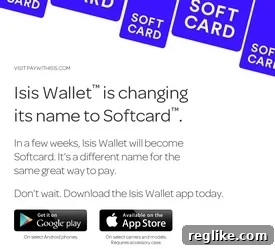
After extensive deliberation, market research, and rigorous due diligence, the payments consortium eventually made its final decision. As Gigaom reported, ISIS chose Softcard as its new brand identity. The selection of Softcard likely stemmed from several strategic considerations. As a descriptive name, “Softcard” immediately conveys a sense of digital, flexible payment methods, aligning well with the company’s core offering in the mobile wallet space. It also wisely avoids the potential pitfalls of short, abstract names like “Zoma,” which, as a succinct word, could more easily become an acronym for another group or entity in the future, thus repeating the very problem they were trying to escape from. This choice reflects a clear prioritization of clarity and risk aversion.
While Softcard might have been perceived as a “safe” bet, some might argue it lacked the immediate memorability or distinctiveness of other potential names that were explored. However, in a situation demanding immediate brand rehabilitation and acute risk aversion, safety often decisively trumps audaciousness. The primary goal was to unequivocally sever ties with the devastatingly negative ISIS association and establish a clear, benign, and functional identity for their innovative mobile payment service. The name “Softcard” achieved this by being largely innocuous and directly relevant to the service offered.
Yet, even with a chosen name, another significant hurdle presented itself, a common challenge in the domain world: the ideal domain name, Softcard.com, was already owned by an existing payments company. This scenario is frustratingly common but often unavoidable for established, highly desirable terms in competitive industries. Rather than abandoning the chosen brand, which would entail more delays and costs, the consortium adapted and settled on GoSoftcard.com. This adjustment, while seemingly minor, highlights the real-world compromises often necessary in domain name acquisition. While GoSoftcard.com is perfectly functional and communicates the brand, it requires users to remember an additional prefix, potentially impacting ease of recall, direct navigation, and brand simplicity. It underscores the ongoing challenges of securing exact-match, premium domain names, especially when rebranding under pressure in a crowded digital marketplace.
Key Takeaways: Lessons from the Softcard Rebrand
The Softcard rebranding saga offers invaluable insights and critical lessons for any organization navigating the complexities of brand identity in the dynamic digital age:
1. The Unpredictable Impact of External Events on Brand Identity
This case vividly demonstrates how global events, entirely outside a company’s control, can critically and instantaneously impact brand perception. Brands must be built with resilience and agility, capable of responding decisively when unforeseen circumstances threaten their core identity and reputation. Proactive monitoring of cultural, social, and geopolitical landscapes, alongside internal brand strategy, is becoming an increasingly vital component of long-term brand health and crisis preparedness.
2. The Imperative of Comprehensive Due Diligence in Naming
Choosing a brand name is far more than a creative exercise; it’s a profound strategic decision demanding exhaustive due diligence. This includes not only trademark searches and linguistic checks across various cultures but also a thorough investigation into potential negative connotations, current events, and the availability of crucial digital assets like domain names. The extensive exploration of Zoma and Willow, and the subsequent defensive registrations, exemplify this meticulous process as a gold standard for brand security.
3. Domain Name Strategy as a Cornerstone of Digital Branding
A robust domain name strategy is no longer an afterthought or a technical detail but a foundational element of successful brand building and online presence. Securing not just the primary domain but also relevant variations, defensive registrations, and even potential future misspellings is essential for protecting a brand’s online presence, preventing cybersquatting, and maintaining complete control over its digital narrative. The pragmatic shift to GoSoftcard.com due to the unavailability of the exact match underscores the enduring importance of early and aggressive domain acquisition.
4. Balancing Safety and Memorability in Brand Selection
In crisis rebranding, the focus often shifts from unique memorability to paramount safety and absolute clarity. Softcard, while perhaps not the most audacious or unique name, successfully conveyed its purpose and, crucially, avoided any negative associations. Companies must carefully weigh the trade-offs between a highly distinctive name and one that offers immediate clarity and significantly reduces risk, especially when emerging from a profound reputational challenge where trust is paramount.
5. Agility and Adaptability in Crisis Management
The speed and thoroughness with which the ISIS consortium moved to identify the problem, explore alternatives, and execute a rebrand speaks volumes about effective crisis management. In a world where news travels instantly and public opinion can turn on a dime, a company’s ability to respond swiftly, strategically, and transparently can determine its survival and future success. This case highlights the necessity for a well-defined crisis communication and rebranding protocol.
Conclusion
The journey from ISIS to Softcard is more than just a name change; it’s a powerful narrative about resilience, strategic foresight, and the complex interplay between brand identity, public perception, and digital presence. It serves as a compelling reminder that in the volatile landscape of modern business, a name is never just a name. It is a promise, a perception, and the very foundation upon which customer trust and market credibility are built. For any company, particularly those operating in the sensitive financial technology sector, understanding and meticulously managing this brand journey, from initial concept to digital execution and ongoing protection, is paramount to long-term success. The Softcard rebrand offers a masterclass in adapting to the unexpected and safeguarding one’s digital future in an ever-changing world.