
The Critical Importance of Accurate WHOIS Information for Brand Protection and Domain Management
In the expansive and interconnected world of the internet, a domain name is more than just a digital address; it serves as a foundational element of a company’s online identity, brand reputation, and intellectual property. Consequently, the precise and timely management of all domain-related information, particularly WHOIS data, holds paramount importance. However, as a significant incident involving the domain Cocomo.com vividly illustrated, even prominent brand management and intellectual property companies can sometimes falter in enforcing these essential standards. This situation raises critical questions regarding accountability, compliance, and the vigilance required in safeguarding digital assets.
The Cocomo.com Incident: A Revealing Case Study in WHOIS Inaccuracy
Several weeks prior, a report highlighted the sale of Cocomo.com for a notable sum of $33,000. This acquisition and its subsequent transfer to CSC (Corporation Service Company), a recognized leader in corporate domain management and brand protection services, should have been a model of efficiency and data integrity. Instead, the transfer brought to light a glaring and undeniable issue: the domain’s WHOIS information was plainly fictitious. The registrant details listed a fabricated entity, “Ms. Sue D Nym,” residing at a generic address on “Main Street in Anywhere, IL.” Such a blatant fabrication immediately raised serious concerns about adherence to established industry standards and the inherent responsibilities of a domain registrar.
Upon the discovery of this significant discrepancy, a comprehensive WHOIS inaccuracy report was promptly submitted to ICANN (Internet Corporation for Assigned Names and Numbers), the global non-profit organization responsible for coordinating the Internet’s naming system. The prevailing expectation was that such a report, especially one concerning a domain managed by a company specializing in the intricate realm of brand protection, would trigger immediate and decisive rectification. After all, if any entity should fully comprehend the critical nature of accurate domain information and the robust protection of intellectual property rights, it would undoubtedly be a brand management firm. The initial assumption was that an official communication from ICANN flagging false WHOIS data for one of their high-profile clients would elicit an instant and proactive response, driven by their commitment to their clients’ digital security and compliance.
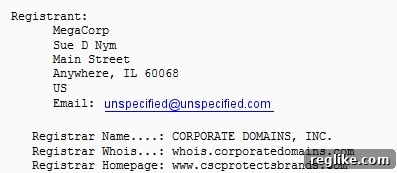
However, despite these reasonable expectations, weeks stretched into months, and the critical situation remained frustratingly unchanged. A follow-up notification received from ICANN, inquiring whether the WHOIS record had finally been updated, unfortunately confirmed the persistent presence of the fictitious details. This prolonged delay in correcting a clear and easily verifiable inaccuracy, especially by a company specifically positioned as a vigilant guardian of digital assets, underscored a concerning lapse in both oversight and active enforcement. The incident starkly highlighted a discernible gap between the professed mission of brand protection services and the practical, day-to-day execution of essential compliance measures, leaving the domain’s ownership opaque and potentially vulnerable.
Understanding WHOIS: The Cornerstone of Domain Transparency
To fully appreciate the gravity and widespread implications of the Cocomo.com situation, it is fundamental to understand precisely what WHOIS information entails and why its accuracy is not merely preferential but absolutely non-negotiable. WHOIS stands as a publicly accessible database, meticulously recording the registration details for virtually every domain name active on the internet. This database encompasses a wealth of critical information, including the registrant’s full name, their associated organization, physical address, email address, phone number, and the designated administrative and technical contacts. Furthermore, it logs crucial dates such as the domain’s registration and expiration. This comprehensive data serves several indispensable functions:
- Ensuring Transparency and Accountability: WHOIS provides a fundamental mechanism for clearly identifying the individual or entity ultimately responsible for a given domain name. This inherent transparency is absolutely crucial for maintaining the stability, integrity, and orderly operation of the global internet infrastructure.
- Facilitating Legal and Enforcement Processes: Law enforcement agencies worldwide, legitimate intellectual property rights holders, and legal professionals heavily rely on accurate WHOIS data. They use it to swiftly identify and contact domain owners in urgent cases involving trademark infringement, malicious cybersquatting, online fraud, or a myriad of other illegal online activities.
- Bolstering Cybersecurity Measures: Cybersecurity researchers, network administrators, and incident response teams routinely leverage WHOIS information. They use it to meticulously investigate suspicious or malicious domains, identify pervasive patterns of online abuse, and facilitate crucial communication with domain owners to promptly address security vulnerabilities, mitigate ongoing threats, or report critical issues.
- Enabling Legitimate Business Contact: Beyond legal and security contexts, accurate WHOIS data allows legitimate third parties to establish contact with domain owners. This can be for exploring potential business opportunities, forging strategic partnerships, or resolving pressing technical issues that might impact a website’s functionality or accessibility.
ICANN’s Indispensable Role in Upholding WHOIS Accuracy
ICANN, functioning as the global coordinator of the Internet’s naming system, plays a pivotal role in establishing and enforcing the rigorous policies and rules that accredited registrars must meticulously follow. Among these, the requirements for WHOIS data accuracy are particularly stringent. Registrars enter into a contractual obligation to guarantee that the contact information provided for all registered domains remains valid, current, and verifiable. This is not merely a recommendation but a foundational condition of their accreditation, ensuring a baseline level of trust and accountability across the domain ecosystem. ICANN’s robust enforcement mechanisms, prominently featuring its WHOIS Accuracy Reporting System, are specifically engineered to address and rectify instances where this vital accuracy is compromised.
When a report detailing an inaccuracy is officially filed, registrars are typically provided with a clearly defined timeframe to thoroughly investigate the claims and promptly correct any erroneous information. Failure to comply with these directives can lead to a range of escalating penalties, which may include the temporary suspension of the affected domain name or, in more severe and persistent cases of non-compliance, the ultimate revocation of a registrar’s accreditation. The expectation, therefore, is that ICANN’s reporting system functions as a robust and effective check-and-balance mechanism. When a specialized brand protection firm, such as CSC, is entrusted with the management of a domain, the stakes are considerably higher. Such entities are expected to operate at the forefront of compliance, acting not merely as followers but as proactive champions of data integrity. Their failure to act swiftly and decisively on a reported inaccuracy not only potentially contravenes explicit ICANN policy but also critically undermines the very principles of brand protection and digital asset security they are contractually bound to uphold.
The Elevated Responsibility of Corporate Domain Registrars and Brand Management Firms
Companies like Corporation Service Company (CSC) strategically position themselves as unparalleled experts in the intricate management of extensive portfolios of digital assets for major global corporations. Their comprehensive suite of services typically encompasses sophisticated corporate domain management, advanced DNS management, specialized digital brand services, and robust intellectual property protection. Clients place their trust, and indeed their most critical online assets, with these firms precisely because they promise an exceptional level of security, unwavering compliance, and proactive management solutions.
Given this highly specialized and critical role, the responsibility of a corporate domain registrar extends significantly beyond that of a standard, general-purpose retail registrar. They are expected to rigorously implement and adhere to stringent internal protocols designed to meticulously verify WHOIS data at every critical juncture: during initial domain transfers, upon new registrations, and through regular, periodic audits of existing records. These firms should possess and deploy highly sophisticated systems engineered to detect, prevent, and swiftly rectify any instances of fraudulent or inaccurate information from entering or remaining within the WHOIS database. More importantly, when an inaccuracy is unequivocally reported, their response must be immediate, decisive, and singularly focused on rapid resolution. The fundamental integrity of their clients’ brands, and indeed the hard-earned reputation of the registrar itself, hinges entirely upon this unwavering commitment to accuracy and proactive problem-solving. The Cocomo.com incident, therefore, serves as a poignant and critical reminder that even within this highly specialized and supposedly secure niche of corporate domain management, an unwavering degree of vigilance and scrupulous attention to detail remains absolutely crucial. A brand protection company’s failure to consistently ensure WHOIS accuracy can inadvertently expose its clients to a multitude of significant and avoidable risks, directly contradicting the very core mission and value proposition it ostensibly offers.
The Far-Reaching Consequences of Bogus WHOIS Data
The ramifications of inaccurate WHOIS information extend far beyond mere administrative oversight or minor inconvenience. Such deficiencies can precipitate severe and wide-ranging consequences for brand owners, unsuspecting consumers, and the broader internet ecosystem at large. These impacts underscore why diligent WHOIS management is not simply a best practice, but a critical imperative:
- Crippling Legal Vulnerabilities: Inaccurate WHOIS data can profoundly hinder and complicate efforts to effectively enforce intellectual property rights. If a legitimate trademark owner is unable to reliably identify or contact the actual registrant of an infringing domain, it becomes nearly impossible to issue formal cease-and-desist letters, file necessary legal complaints, or initiate dispute resolution processes through established mechanisms such as the UDRP (Uniform Domain-Name Dispute-Resolution Policy).
- Aggravated Cybersecurity Risks: Malicious actors, including phishers, spammers, and purveyors of malware, frequently exploit false or obfuscated WHOIS information to meticulously conceal their true identities. This anonymity makes it exceedingly difficult for security professionals and law enforcement to trace, investigate, and ultimately stop illicit activities such as sophisticated phishing attacks, widespread malware distribution, or other insidious cybercrimes originating from their domains. This anonymity effectively enables and perpetuates further illicit activities, thereby compromising overall internet security.
- Severe Brand Reputation Damage: Should a domain name explicitly associated with a reputable brand become implicated in illicit, fraudulent, or abusive online activities due to a critical lack of proper ownership identification, the brand’s hard-earned reputation can suffer irreparable and long-lasting harm. Consumers may experience a significant erosion of trust, and the brand’s carefully cultivated image could be irrevocably tarnished, leading to financial losses and diminished market value.
- Impediments to Critical Communications: Accurate and up-to-date WHOIS contact details are absolutely vital for facilitating emergency communications. These might include urgent reports of technical issues, notifications of critical security vulnerabilities, or warnings about infrastructure problems that could directly impact a website’s availability, performance, or overall operational stability. Bogus or outdated data effectively creates a communication blackout, impeding rapid response and resolution.
- Regulatory Non-Compliance and Penalties: Beyond ICANN’s specific regulations, numerous national and international jurisdictions have enacted laws that mandate accurate contact information for businesses operating online. Failure to comply with these legal requirements can expose companies to substantial fines, legal repercussions, and adverse publicity, adding another layer of risk to inaccurate WHOIS data.
Protecting Digital Assets: Essential Best Practices for Businesses
Given the wide-ranging and potentially severe fallout from WHOIS inaccuracies, it is absolutely imperative that businesses proactively adopt and rigorously implement a comprehensive set of best practices to safeguard their invaluable digital assets and consistently ensure WHOIS accuracy. These measures are crucial for maintaining legal compliance, enhancing security, and preserving brand integrity:
- Select Reputable Registrars Wisely: Prioritize and choose domain registrars with a demonstrated and verifiable track record of unwavering compliance with ICANN policies, robust security protocols, and exceptionally responsive customer service. For corporate entities, registrars specializing in corporate domain management often offer enhanced services and expertise.
- Implement Regular WHOIS Record Audits: Establish and adhere to a strict schedule for meticulously reviewing and verifying the accuracy and completeness of all domain WHOIS information across your entire portfolio. Any significant changes in key contact details, corporate mergers, or acquisitions should immediately trigger prompt updates to ensure continuous accuracy.
- Educate All Relevant Stakeholders: Ensure that all internal personnel involved in any aspect of domain management, from IT teams to legal departments, fully comprehend the critical importance of WHOIS accuracy and are acutely aware of the potentially severe risks associated with misinformation or neglect.
- Utilize Privacy Services Judiciously: While privacy protection services can effectively shield personal contact details from public view for individual registrants, it is crucial to understand that they must still maintain accurate and verifiable underlying contact information with the registrar. Corporate domains often opt for full disclosure for transparency, legal traceability, and robust intellectual property enforcement.
- Respond Promptly to Inquiries: If you receive any communication from your domain registrar or directly from ICANN regarding a potential WHOIS inaccuracy, it is imperative to respond and rectify the reported issue with utmost immediacy and thoroughness. Delays can lead to escalating problems and penalties.
- Leverage Brand Protection Services Effectively: If engaging third-party brand protection services, ensure that their service level agreements (SLAs) explicitly include provisions for WHOIS accuracy enforcement, proactive monitoring for discrepancies, and clear protocols for rapid resolution of any identified issues.
An Eventual Resolution, But a Lasting Lesson in Vigilance
Ultimately, following an extended period of inaction and the public airing of significant concerns, the WHOIS information for Cocomo.com was indeed updated. As of December 16, 2011, the fictitious “Ms. Sue D Nym” was replaced with legitimate and verifiable registrant details, restoring a semblance of order and compliance. While this eventual resolution is certainly welcome and necessary, the protracted journey to achieve it critically highlights a persistent vulnerability within the domain management ecosystem. The considerable delay underscores a crucial point: even when managing high-value digital assets and professing an unyielding commitment to brand protection, a proactive and immediate approach to WHOIS accuracy is not always a given. More often than not, it requires external scrutiny, diligent reporting, and persistent follow-up to ensure that fundamental compliance standards are met and upheld.
Conclusion: Vigilance is Key in Comprehensive Digital Asset Management
The Cocomo.com saga serves as a compelling and enduring reminder that the integrity of WHOIS data is not a minor administrative detail but a foundational and indispensable element of sound digital asset management and robust brand protection. For companies entrusting their critical domain portfolios to specialized third-party firms, an unwavering level of vigilance is absolutely paramount. It is not merely sufficient but imperative that corporate registrars and brand management companies not only adhere strictly to ICANN’s comprehensive WHOIS accuracy policies but also consistently go above and beyond, proactively verifying, monitoring, and meticulously maintaining this vital information. The stability, security, and legal standing of online brands, which are increasingly crucial to business success, depend fundamentally on this commitment. In an increasingly complex and evolving digital landscape, accurate WHOIS data remains an exceptionally powerful and essential tool for fostering transparency, ensuring accountability, and rigorously safeguarding intellectual property against a myriad of sophisticated online threats. The core lesson gleaned from the Cocomo.com incident is clear and unequivocal: trust, but always, always verify, especially when it pertains to the digital cornerstones and invaluable assets of your business.