
US Lawmakers Intensify Pressure on ICANN to Block Controversial .ORG Registry Sale
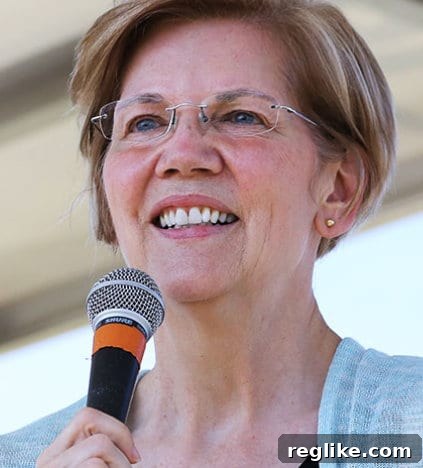
A group of six influential United States lawmakers has formally submitted a request to the Internet Corporation for Assigned Names and Numbers (ICANN), urging the organization to reject the proposed acquisition of the .ORG domain registry. This significant transaction would see the Public Interest Registry (PIR), the current operator of the .ORG domain, sold by the Internet Society (ISOC) to Ethos Capital, a private equity firm. The lawmakers’ intervention underscores a growing concern among policymakers and the wider internet community regarding the future governance and accessibility of one of the internet’s most vital top-level domains.
The coalition of lawmakers leading this charge includes presidential candidate Senator Elizabeth Warren (D-MA), Senator Ron Wyden (D-OR), Senator Richard Blumenthal (D-CT), Senator Edward Markey (D-MA), Representative Anna Eshoo (D-CA), and Representative Mark Pocan (D-WI). Their collective letter to ICANN outlines a comprehensive set of reasons why they believe this sale would be detrimental to the public interest and the operational integrity of the internet itself.
The .ORG Domain: A Cornerstone of the Non-Profit World
To understand the gravity of this proposed sale, it’s essential to appreciate the role of the .ORG domain. Launched in 1985, .ORG has long been recognized as the quintessential online home for non-profit organizations, charities, cultural institutions, open-source projects, and community groups worldwide. It quickly became synonymous with trust, public service, and mission-driven endeavors. The Public Interest Registry (PIR) was established in 2003 by the Internet Society (ISOC) specifically to manage the .ORG domain, emphasizing its commitment to the non-profit sector and ensuring its stability and accessibility.
For nearly two decades, PIR has operated under the stewardship of ISOC, a global non-profit organization dedicated to the open development, evolution, and use of the internet. This arrangement ensured that the .ORG domain remained aligned with a public interest mission, rather than being primarily driven by profit motives. Millions of organizations rely on .ORG for their online presence, using it to raise funds, disseminate information, coordinate volunteers, and build communities. The domain’s perceived neutrality and affordability have been critical to its widespread adoption and success among organizations that often operate on tight budgets.
Ethos Capital’s Acquisition Bid: A Shift Towards Private Equity
The announcement that ISOC intended to sell PIR to Ethos Capital for an undisclosed sum, reportedly around $1.135 billion, sent shockwaves through the internet governance community. Ethos Capital is a relatively new private equity firm, and its stated intention to acquire a key piece of internet infrastructure like the .ORG registry immediately raised red flags for many. Private equity firms are typically characterized by their strategy of acquiring companies, often through debt financing, with the goal of increasing their profitability and eventually selling them for a significant return to investors. This business model fundamentally contrasts with the historical non-profit orientation of the .ORG domain.
The lawmakers’ letter to ICANN clearly articulates a central fear: that under private equity ownership, the .ORG domain will inevitably become a vehicle for maximizing shareholder value, potentially at the expense of its long-standing public service mission. The acquisition is viewed not merely as a change of ownership, but as a fundamental shift in the philosophical underpinnings of how a critical piece of global internet infrastructure is managed.
Lawmakers’ Core Concerns: Price Hikes and Public Interest Erosion
The letter to ICANN details a litany of reasons why this deal should be rejected, with particular emphasis on financial implications and the potential erosion of the public interest:
Escalating Prices and Financial Burdens for Non-Profits
One of the most pressing concerns raised by the lawmakers is the high probability of significant price increases for .ORG domain registrations. They argue that a private equity firm like Ethos Capital will be compelled to raise prices and cut operational costs as a primary strategy to service the debt incurred during the acquisition and deliver robust returns to its investors. While Ethos Capital has offered assurances to the contrary, the lawmakers point to the inherent pressures of the private equity model.
The letter highlights a crucial statistic: even if Ethos Capital were to implement an average annual price increase of just 10%, this would represent a rate three times higher than the price increases historically applied by PIR. For years, PIR operated under a price cap agreement with ICANN, which limited its ability to raise registration fees. However, this cap was controversially lifted by ICANN in June 2019, just months before the announcement of the sale. This removal of the price cap, critics argue, created an environment ripe for such an acquisition and fueled concerns about potential price gouging.
For the millions of non-profit organizations, many of which operate on shoestring budgets, even modest annual price increases can accumulate into significant financial burdens. Such increases could force smaller organizations to make difficult choices, potentially diverting funds from their core missions or even jeopardizing their online presence. The lawmakers contend that this scenario directly undermines the accessibility and affordability that have been hallmarks of the .ORG domain.
Threats to Operational Stability, Reliability, and Security
Beyond price, the lawmakers express deep concerns about the potential impact on the operational stability, reliability, security, and openness of the .ORG domain. Their letter concludes with a powerful statement, asserting that:
The proposed sale of .ORG is against the public interest and would violate ICANN’s commitment to “preserve and enhance .. . the operational stability, reliability, security … and openness of the DNS and the Internet.”
This statement reflects the fear that a profit-driven management approach could lead to underinvestment in critical infrastructure, security measures, or customer support, thereby compromising the integrity of the domain. Any degradation in the stability or security of .ORG could have far-reaching consequences, affecting not only the non-profits themselves but also the trust users place in the entire domain name system (DNS).
ICANN’s Ambiguous Authority and the Regulatory Tightrope
A critical aspect of this controversy revolves around ICANN’s role and its perceived authority over such transactions. ICANN previously stated that it “does not have authority over the deal itself.” However, this stance is nuanced. While ICANN cannot directly block the sale of PIR from ISOC to Ethos Capital, it does retain the authority to approve or deny the transfer of the .ORG registry agreement to the new entity. This approval cannot be “unreasonably withheld,” a legalistic phrase that has become the focal point of intense debate and interpretation.
The definition of “unreasonably withheld” is highly subjective and open to various legal challenges. Ethos Capital and ISOC argue that ICANN’s role is primarily administrative and that denying the transfer would constitute an “unreasonable” overreach. Conversely, the lawmakers and a broad coalition of civil society groups contend that safeguarding the public interest, preventing predatory pricing, and ensuring the stability of a vital public resource fall squarely within ICANN’s mandate, making a rejection a “reasonable” exercise of its authority.
ICANN finds itself in a precarious position, caught between its contractual obligations, its commitment to the public interest, and intense pressure from both sides of the debate. Its decision on this matter will set a significant precedent for future domain registry transfers and will undoubtedly shape perceptions of its independence and effectiveness as a global internet governance body.
The Broader Implications: A Precedent for Internet Governance
The .ORG sale controversy extends far beyond the fate of a single domain. It raises fundamental questions about the future of internet governance and the balance between commercial interests and the public good. If the sale is approved, it could establish a precedent for other public interest-oriented top-level domains to be acquired by private equity firms, leading to a broader commercialization of internet infrastructure that was once deemed a common resource.
This situation also highlights the ongoing tension between a multi-stakeholder model of internet governance, championed by ICANN, and calls for greater governmental oversight or intervention. The fact that U.S. lawmakers felt compelled to directly petition ICANN underscores the perceived shortcomings in the existing governance framework to address concerns of this magnitude.
A Surprising Silence in the Political Sphere
Interestingly, the letter points out the notable silence of Republican Senator Ted Cruz on this matter. Given his strong stance on the U.S. government’s historical control over ICANN and his previous vocal criticisms of perceived shifts in internet governance away from U.S. influence, one might expect him to weigh in on an issue concerning the commercialization of a key domain. His reticence further underscores the complex and often unpredictable political landscape surrounding internet infrastructure debates.
The Road Ahead: What Happens Next?
The ball is now firmly in ICANN’s court. The organization faces a pivotal decision that will have lasting implications for the .ORG community, the broader non-profit sector, and the future trajectory of internet governance. ICANN has received thousands of public comments opposing the sale, in addition to the formal letter from the U.S. lawmakers. The pressure for ICANN to side with the public interest is immense.
Potential outcomes range from outright rejection of the registry agreement transfer, which would effectively block the sale, to conditional approval, which might impose specific safeguards or restrictions on Ethos Capital. An unconditional approval would likely be met with significant backlash from civil society and potentially spark further legislative scrutiny.
Regardless of the final decision, the debate surrounding the .ORG sale has brought critical issues of internet ownership, governance, and public trust to the forefront. It serves as a potent reminder of the ongoing struggle to balance commercial innovation with the preservation of the internet’s open, accessible, and public-serving character.