
Microsoft registered domains for its new Xbox Series X that include every letter of the alphabet.
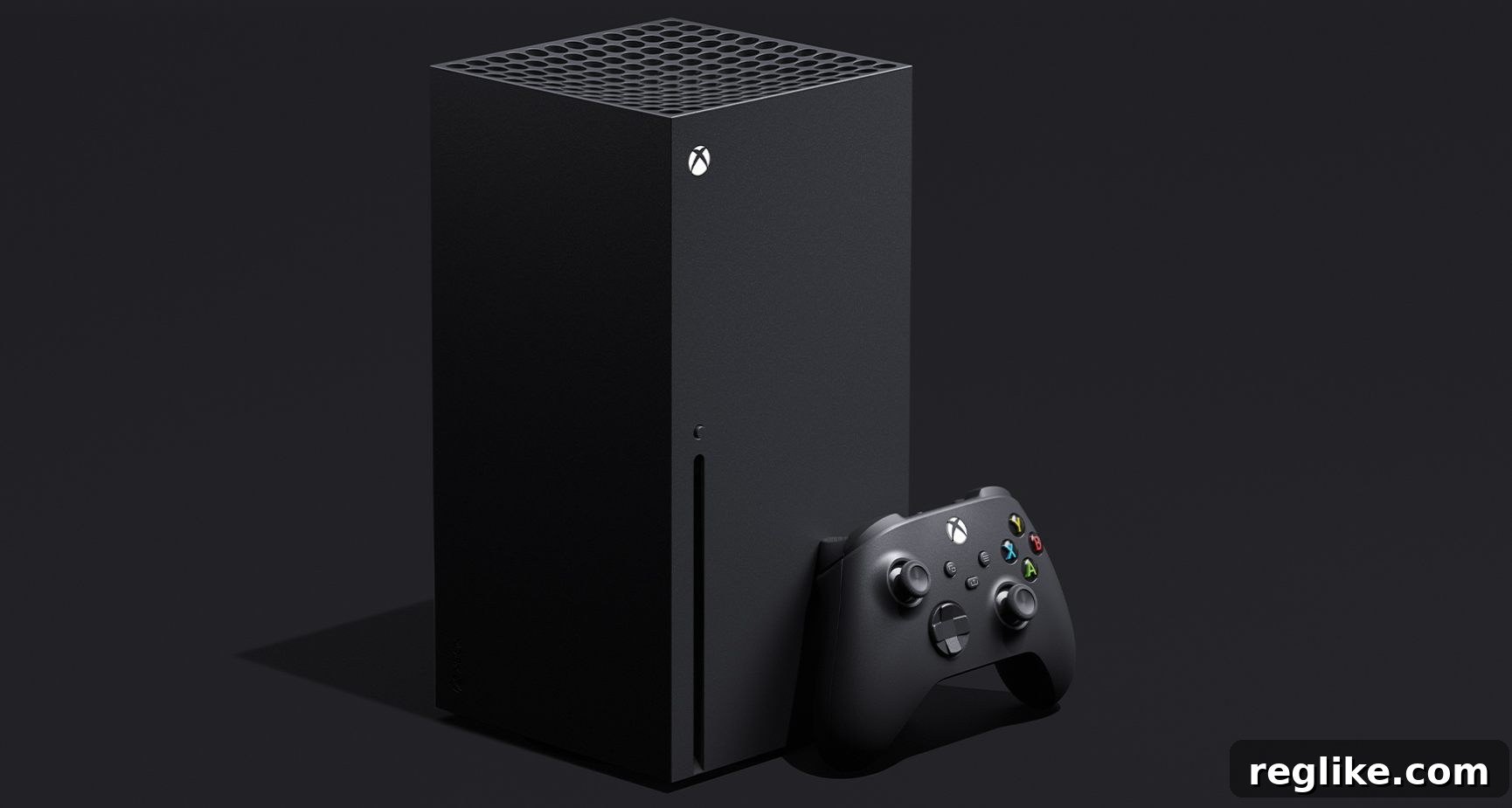
The dawn of a new console generation always brings with it a wave of excitement, speculation, and strategic moves from industry giants. When Microsoft officially unveiled its next-generation console, the Xbox Series X, towards the end of last week, the gaming world collectively turned its attention to the powerful black monolith promising unparalleled gaming experiences. As is standard practice for major product launches, the company embarked on a comprehensive domain registration strategy to protect its valuable intellectual property, securing key web addresses like XboxSeriesX.com.
However, what emerged alongside these expected registrations was a surprisingly extensive and, frankly, unprecedented move: Microsoft registered a staggering array of domain names that encompass every letter of the alphabet, from ‘A’ through ‘Z’, for its ‘Series’ naming convention. This goes far beyond typical brand protection, signaling a deep, long-term strategic play that has captured the attention of brand strategists, legal experts, and gamers alike. Such a bold step highlights Microsoft’s meticulous planning for the future trajectory of its renowned gaming brand.
Microsoft’s Comprehensive Domain Strategy: From A to Z and Beyond
The sheer scale of Microsoft’s domain registration effort is remarkable. It wasn’t merely about securing XboxSeriesX.com, which is an obvious and essential acquisition. The company systematically registered domain names such as XboxSeriesA.com, XboxSeriesB.com, XboxSeriesC.com, and continued this pattern meticulously all the way to XboxSeriesZ.com. This extensive sweep covers all 26 letters of the English alphabet, suggesting a foresight into future branding and product diversification that is rarely seen executed in such an explicit and comprehensive manner within the gaming industry.
Furthermore, this meticulous approach wasn’t limited to the ubiquitous .com top-level domain (TLD). Microsoft cast an even wider net, registering these alphabetical variations across numerous other TLDs. This includes country-specific domains like .ca (Canada), .fr (France), .at (Austria), and .com.br (Brazil), alongside generic TLDs such as .net, and even proprietary domains like .microsoft. This multi-TLD strategy amplifies the effort significantly, translating into hundreds, if not thousands, of unique domain registrations. Such an aggressive and thorough safeguarding of potential future product names speaks volumes about Microsoft’s long-term vision and its unwavering commitment to preempting any possible brand dilution or cyber squatting issues.
For each top-level domain targeted, Microsoft undertook 26 separate registrations, multiplying the overall volume of acquired digital real estate. This strategic depth ensures that regardless of where a user or potential competitor might look, Microsoft has already laid claim to the “Xbox Series [Letter]” moniker. While the immediate utility of all these domains might not be apparent, the underlying intent is undeniably geared towards robust brand protection, securing its digital footprint, and maintaining future market flexibility.
Unpacking the Rationale: Why Such an Extensive Investment in Domain Registration?
The immediate question that arises from such an exhaustive domain registration spree is: why? Why would a global technology giant invest such significant resources, both financially and administratively, into securing so many seemingly speculative domains? Several compelling reasons emerge when analyzing Microsoft’s strategy through the critical lens of intellectual property management, brand evolution, and competitive foresight in the highly lucrative gaming sector.
1. Proactive Brand Protection and Defensive Registration
One of the primary drivers behind this extensive domain strategy is almost certainly proactive brand protection. In the digital age, domain squatting and cyber piracy are persistent threats. Malicious actors often register variations of popular brand names to mislead consumers, host phishing scams, or extort companies into buying back their own brand derivatives at inflated prices. By preemptively registering XboxSeriesA through XboxSeriesZ across multiple TLDs, Microsoft effectively closes off a vast number of potential avenues for these illicit activities. This defensive registration strategy ensures that the company maintains complete control over its brand identity in the online sphere, safeguarding consumers from confusion and protecting its hard-earned reputation.
2. Future-Proofing for Console Generations and Iterations
Perhaps the most intriguing and widely speculated reason for this move is future-proofing for subsequent console generations and hardware iterations. The choice of “Series X” for the current console is highly suggestive. It implies that ‘X’ is simply a letter in a sequence, not necessarily the final or ultimate designation. It wouldn’t be surprising if Microsoft plans to release other consoles in this generation or future generations under names like “Xbox Series S” (which indeed became a reality, validating this hypothesis), “Xbox Series Y,” or even “Xbox Series A” if they decide to cycle back or introduce new tiers. By securing all alphabetical permutations now, Microsoft ensures it has a clear path for future product nomenclature without encountering trademark or domain conflicts. This flexible naming convention allows for diversified product lines, potentially targeting different market segments (e.g., a more affordable ‘Series S’ model, or higher-end ‘Series Z’ models), much like car manufacturers use letter designations for different trim levels or models.
3. Marketing Flexibility and Product Diversification
Beyond distinct console generations, these domains could also provide immense marketing flexibility. Imagine Microsoft launching special editions, regional variants, or even entirely different product categories under the “Xbox Series [Letter]” umbrella. A limited-edition “Xbox Series M” or a cloud-gaming focused “Xbox Series C” could leverage these pre-registered domains seamlessly. This strategy allows Microsoft to experiment with different product offerings and marketing campaigns without the headache of last-minute domain acquisitions or disputes. It ensures a consistent brand architecture regardless of how the Xbox ecosystem evolves, promoting cohesion and recognition across its diverse portfolio.
4. Mitigating Confusion and Maintaining Market Clarity
In a crowded and competitive technology market, clarity is paramount. If Microsoft had only registered XboxSeriesX.com, there would be nothing to legally stop a competitor or an unrelated entity from launching a product called “Series A” or “Series B” that could potentially cause significant confusion among consumers. By owning the entire alphabet, Microsoft draws a clear boundary around its “Series” branding, making it unequivocally theirs. This proactive stance helps to maintain brand distinctiveness, preventing potential market ambiguity that could negatively impact sales or consumer perception of the Xbox brand.
5. Internal Project Code-Names and Enhanced Intellectual Property Protection
It’s also plausible that some of these alphabetical series might correspond to internal project code-names or highly sensitive intellectual property that Microsoft wishes to protect even before any public announcement. Large corporations often develop multiple concepts, prototypes, and technologies concurrently across various internal teams. Securing associated domain names early is a standard practice to prevent leaks, maintain secrecy, or deter external exploitation of these internal designations, thereby protecting their research and development efforts.
The Cost and Strategic Implications of Such an Endeavor
While the cost of individual domain registrations is relatively low, the sheer volume involved here represents a significant, albeit entirely manageable, investment for a company of Microsoft’s global stature. Beyond the initial registration fees, there are ongoing renewal costs and the administrative overhead of managing such a vast portfolio. However, for a brand as globally recognized, valuable, and strategically important as Xbox, these expenditures are negligible when weighed against the potential damage from brand infringement, consumer confusion, or the future expenses of acquiring domains from squatters. It is a calculated and strategic investment in long-term brand equity and market dominance.
This aggressive domain strategy underscores the increasing importance of digital real estate in the modern business landscape. It highlights how major corporations are thinking several steps ahead, not just about their immediate next product launch, but about the entire lifecycle and potential evolution of their brand for decades to come. It’s a testament to a comprehensive intellectual property protection framework that seeks to leave no stone unturned in safeguarding one of its most valuable entertainment assets and ensuring its unimpeded growth.
Historical Context and Xbox Naming Evolution
The Xbox brand itself has a history of evolving naming conventions, reflecting its journey and strategic shifts within the gaming industry. Starting simply with “Xbox,” it then jumped to “Xbox 360,” then “Xbox One” (which had its own sub-versions like “Xbox One S” and “Xbox One X”), and now “Xbox Series X.” This evolution shows a willingness to experiment with names that convey different messages – a generational leap (360), an all-in-one entertainment hub (One), and now a series concept (Series X). The “Series” designation, combined with this massive domain grab, strongly suggests a more modular or iterative approach to console releases moving forward, rather than strictly discrete, isolated generations every 5-7 years.
This strategy aligns with broader industry trends towards more continuous hardware refreshes and ecosystem building, similar to how smartphones or PC components like GPUs evolve. By having a flexible “Series” naming convention backed by a full alphabet of secured domains, Microsoft is positioning itself for a future where new console iterations might drop more frequently, perhaps offering different power profiles, form factors, or feature sets, all cohesively united under the overarching “Xbox Series” umbrella. This proactive stance ensures agility in a rapidly changing technological landscape.
Conclusion: A Glimpse into the Future of Xbox Branding
Microsoft’s decision to register domain names for “Xbox Series A” through “Xbox Series Z,” along with countless top-level domain variations, is far more than a simple act of isolated brand protection. It’s a powerful statement of intent and a calculated, long-term strategic maneuver. This extensive digital land grab hints at a meticulously planned future for the entire Xbox ecosystem, one that prioritizes unparalleled brand control, maximum marketing flexibility, and robust defense against potential intellectual property infringements. It ensures Microsoft has the absolute freedom to innovate and expand its console lineup without facing future naming constraints or market confusion.
While the immediate financial return on some of these ‘alphabetical’ domains may seem distant, their true value lies in the strategic options and peace of mind they afford. They serve as a foundational layer for future product launches, diversified offerings, and a unified brand identity that can adapt seamlessly to the rapidly changing landscape of the gaming industry. As the Xbox Series X heralds a new era of gaming, these sophisticated domain registrations offer a fascinating glimpse into the expansive and forward-thinking vision guiding the future trajectory of Microsoft’s renowned and highly competitive gaming brand, securing its legacy for years to come.