
The Digital Echo of Political Discourse: How Debate Phrases Become Instant Domain Gold
In the fast-paced world of digital assets, real-world events often create immediate and significant waves. A political debate, particularly one involving high-profile figures, can generate phrases and moments that transcend the immediate political discourse, quickly morphing into viral sensations, memes, and, most notably, valuable domain names. The aftermath of a recent presidential debate vividly illustrated this phenomenon, showcasing how quickly savvy domain investors and trend-spotters move to capitalize on these fleeting yet impactful linguistic gems. The debate served as a prime example of the dynamic interplay between contemporary culture, political rhetoric, and the ever-evolving landscape of internet real estate, where a single utterance can translate into a digital gold rush.
The ability to predict or react swiftly to trending phrases has become an art form in the domain industry. It’s a testament to the acute awareness required to navigate the digital frontier, where brandability and relevance can emerge from the most unexpected sources. This article delves into how certain phrases from a prominent political debate rapidly transitioned from spoken words into highly sought-after online properties, highlighting the intricate dance between public consciousness and the lucrative world of domain name acquisition.
“Bad Hombres”: A Blast from the Past, Reimagined
One of the most talked-about moments from the recent debate involved Donald Trump’s characterization of certain individuals as “bad Hombres” when discussing border security and drug cartels. The phrase, steeped in a somewhat antiquated, almost cinematic Wild West villainy, immediately resonated with viewers and social media users. What makes this particular instance fascinating is not just the virality of the phrase itself, but its unexpected intersection with a pre-existing digital asset.
Intriguingly, the domain name BadHombres.com had already been registered years prior, in 2000, long before its sudden surge into mainstream lexicon. This domain wasn’t created with future political debates in mind; rather, it was established as a nostalgic nod to historical figures and outlaws of the American Old West, featuring content related to legendary characters such as Billy the Kid and Jesse James. The site’s original context, focusing on historical “bad guys,” inadvertently provided a perfect, albeit coincidental, backdrop for the newly popularized term.
The immediate aftermath of the debate saw an unprecedented surge in traffic to BadHombres.com. So overwhelming was this influx of visitors that the website, not prepared for such a sudden spike in demand, began returning a “509 Bandwidth Limit Exceeded” error. This error message is a clear indicator that the server hosting the website was simply overwhelmed by the sheer volume of simultaneous requests, exceeding its allocated data transfer capacity. It’s a vivid demonstration of how a single, unscripted utterance in a nationally televised debate can instantly propel an obscure, niche website into the spotlight, inadvertently granting it momentary viral fame and immense, if temporary, traffic.
This incident underscores the inherent value of generic, descriptive domain names. While the original registrant of BadHombres.com likely didn’t foresee its political relevance, the broad nature of the term allowed it to capture attention when an external event suddenly imbued it with new meaning. For domain investors, this serves as a powerful reminder of the long-term potential of owning common phrases or evocative terms, as their value can skyrocket unexpectedly when cultural or political currents align.
“Such a Nasty Woman”: A Viral Sensation and a Domain Rush
Perhaps even more emblematic of the debate’s digital impact was Donald Trump’s spontaneous remark directed at Hillary Clinton: “Such a nasty woman.” This off-the-cuff comment, delivered towards the conclusion of a heated exchange, instantly became a rallying cry, a point of contention, and an immediate flashpoint across social media platforms. Within minutes, the phrase was trending globally, sparking debates, generating memes, and becoming a symbol for various interpretations – from misogynistic insult to an empowering badge of defiance.
The rapid embrace of “nasty woman” by the public immediately signaled its potential as a valuable digital asset. Already, the more generic domain NastyWoman.com had been registered in 2014, showcasing either prescient foresight or simply the ownership of a commonly used, albeit provocative, phrase. However, it was the exact phrasing, “Such a nasty woman,” that captured the specific essence of the debate moment, and this is where the speed and strategic acumen of domain investors came into play.
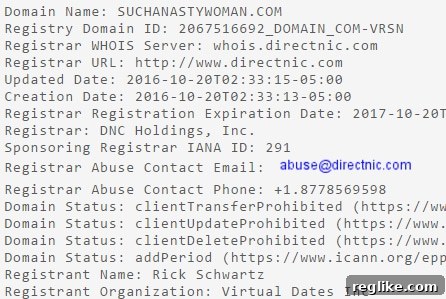
Renowned domain investor Rick Schwartz, often referred to as the “Domain King” for his significant contributions and successes in the industry, demonstrated remarkable agility. Recognizing the immediate and intense virality of the phrase, Schwartz moved swiftly post-debate to register SuchaNastyWoman.com. His quick action solidified his position at the forefront of this digital land rush, securing a domain that perfectly encapsulated a culturally significant moment. This move was not merely about registering a name; it was about capturing a piece of internet history and demonstrating the lightning-fast reflexes required to succeed in the domain aftermarket.
Schwartz’s immediate registration was just the tip of the iceberg. The term “nasty” and its variations quickly became the subject of a massive registration spree. Within hours, and certainly in the days following the debate, approximately 100 .com domain names containing “nasty” were snatched up. Examples like NastyWomenWin.com and SuchaNastyMan.com emerged, illustrating the diverse ways individuals and groups sought to leverage the trending phrase. These registrations likely served various purposes: establishing fan sites, protest platforms, merchandise stores, political commentary blogs, or simply speculative investments hoping to capitalize on future demand.
The Broader Implications for Domain Investing and Online Trends
The phenomena surrounding “Bad Hombres” and “Such a Nasty Woman” offer invaluable lessons for anyone involved in digital marketing, brand protection, and, most critically, domain investing. They underscore several key principles that govern the ever-evolving landscape of internet real estate.
Firstly, Speed and Foresight are Paramount. In the domain world, being first often means being best. Rick Schwartz’s swift action to register SuchaNastyWoman.com exemplifies the immediate responsiveness required to capitalize on breaking trends. Similarly, the owner of BadHombres.com, by owning a generic yet evocative phrase, benefited immensely from an unforeseen cultural shift. While pure foresight is rare, a broad portfolio of generic terms can often pay dividends.
Secondly, Viral Content Drives Value. A phrase that resonates culturally, whether positively or negatively, instantly acquires significant digital value. This is the essence of “newsjacking” or “trendjacking” in the domain space. When a term goes viral, its search volume explodes, and its potential for online engagement, content creation, and even merchandise sales skyrockets. Domains associated with such phrases become prime digital real estate.
Thirdly, Domains as Cultural Artifacts and Political Statements. Domain names are not just addresses; they can be powerful platforms for expression. NastyWomenWin.com, for instance, transcends mere branding; it embodies a political statement and a community identity. This illustrates how domain registrations can reflect and even shape public discourse, becoming digital monuments to significant social and political moments.
Fourthly, The Risks and Rewards of Speculative Investing. While some domain names acquired during a trend surge will undoubtedly become valuable assets, many will not. The market is often flooded with similar registrations, and only those that truly resonate or are developed into compelling online properties will retain long-term value. Domain investors must balance the allure of quick gains with a strategic understanding of market longevity.
Fifthly, Brand Protection and Reputation Management. Beyond speculative investing, the rapid registration of trending terms highlights the critical need for brand protection. Companies, public figures, and organizations often need to proactively register domains related to their names, products, or even potentially negative associated terms to control their narrative and prevent cybersquatting or misinformation. The rush for “nasty woman” domains could be seen as individuals and groups claiming a phrase, for better or worse, associated with a public figure.
Finally, the interplay between the real world and the digital realm is more intertwined than ever. A spontaneous comment in a debate can lead to a surge in website traffic, a rush for domain registrations, and the creation of new online communities and content. This dynamic environment ensures that the domain market remains vibrant, unpredictable, and always on the pulse of global events.
Conclusion: A Continually Evolving Digital Frontier
The events surrounding the “Bad Hombres” and “Such a Nasty Woman” debate phrases serve as a compelling microcosm of the larger domain investing landscape. They underscore the incredible fluidity and responsiveness of the internet, where cultural moments are instantly translated into digital assets. From unforeseen traffic surges to deliberate, swift domain acquisitions, these instances powerfully illustrate how critical real-time awareness and strategic thinking are in the world of online real estate.
As political discourse continues to shape public sentiment and technology advances, the link between spoken words and valuable digital properties will only strengthen. For domain investors, digital marketers, and anyone keen on understanding the pulse of the internet, these episodes are potent reminders: the next big trend, and the next lucrative domain, could be just a soundbite away, waiting to be discovered and claimed in the ever-expanding digital frontier.