
Streamlined Domain Verification: Google Search Console Just Got Easier for Website Owners
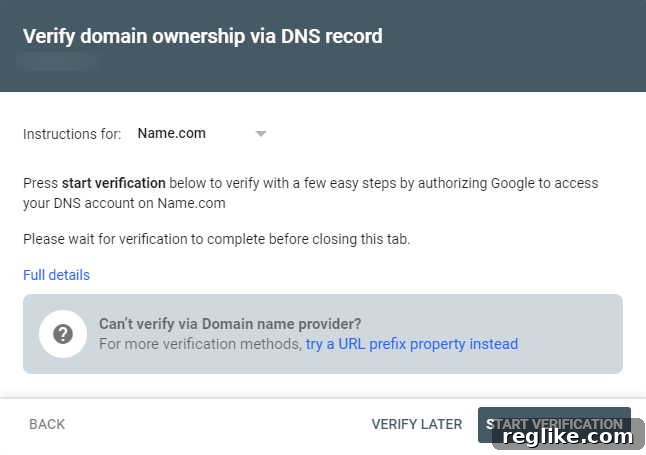
In a significant move to enhance user experience and foster a healthier web ecosystem, Google has rolled out an innovative process designed to simplify the often-complex task of verifying domain properties within Google Search Console. This update marks a crucial step towards making essential SEO tools more accessible to a broader audience, from seasoned webmasters to newcomers establishing their first online presence.
Previously, verifying ownership of a domain was often a technical hurdle, requiring specific knowledge of DNS records or server configurations. Recognizing this barrier, Google has developed an automated solution that promises to streamline this critical step, ensuring that website owners can more easily gain access to the invaluable insights offered by Search Console. This advancement is particularly beneficial for those who may lack deep technical expertise, democratizing access to powerful SEO data and helping more websites thrive in the digital landscape.
The Imperative of Google Search Console for SEO Success
Before diving into the mechanics of this new verification method, it’s essential to understand why Google Search Console (GSC) is an indispensable tool for anyone serious about their website’s performance and visibility. GSC acts as a direct communication channel between Google and website owners, providing critical data, insights, and tools necessary for optimizing a site for search engines.
Unlocking Performance Insights
Once your domain is verified, Google Search Console becomes a treasure trove of performance data. You can monitor how often your site appears in Google search results, which queries drive traffic, and what your click-through rate (CTR) is. This data is invaluable for understanding user behavior and optimizing your content strategy. For instance, identifying high-impression, low-CTR queries can pinpoint opportunities to refine your meta descriptions and titles, directly impacting your organic traffic.
Ensuring Indexability and Discoverability
GSC allows you to submit sitemaps, helping Google efficiently discover and crawl all the important pages on your site. It also provides an “Index Coverage” report, which highlights any issues preventing your pages from being indexed, such as “noindex” tags, crawl errors, or duplicate content. Ensuring proper indexability is the foundational step for any SEO strategy; if Google can’t find and understand your pages, they won’t appear in search results.
Identifying and Resolving Technical Issues
Technical SEO plays a crucial role in search rankings, and GSC is your primary diagnostic tool. It alerts you to critical errors like mobile usability problems, security issues (e.g., malware warnings), and manual actions that might be taken against your site for violating Google’s guidelines. Promptly addressing these issues is vital for maintaining a healthy online presence and avoiding potential penalties that could severely impact your search visibility.
Monitoring Core Web Vitals and User Experience
With Google’s increasing emphasis on user experience, Core Web Vitals (CWV) have become significant ranking factors. GSC provides dedicated reports for CWV, showing you how your pages perform regarding loading speed (Largest Contentful Paint), interactivity (First Input Delay), and visual stability (Cumulative Layout Shift). These insights empower you to identify and fix performance bottlenecks, ensuring your visitors have a smooth and enjoyable experience, which in turn positively influences your search rankings.
Navigating the Traditional Landscape of Domain Verification
For years, website owners had several methods at their disposal to verify their domain in Google Search Console. While effective, some of these methods presented notable challenges, particularly for those without a technical background or direct server access. Understanding these traditional approaches helps to fully appreciate the innovation behind Google’s latest update.
The HTML File Upload Method
One common verification method involves uploading a specific HTML file provided by Google to the root directory of your website. This requires access to your website’s server via FTP (File Transfer Protocol) or through your hosting provider’s file manager. While straightforward for experienced users, it could be daunting for beginners unfamiliar with server environments or those using platforms with limited file access.
The HTML Tag Method
Another popular approach is to add a specific meta tag provided by Google to the section of your website’s homepage. This method often requires editing your theme files or using a plugin if you’re on a CMS like WordPress. The primary drawback here is the risk of breaking your site’s code if not done carefully, and the meta tag must remain on the page for verification to persist.
Google Analytics or Google Tag Manager Verification
If you already have Google Analytics or Google Tag Manager tracking code installed on your website with the same Google account used for GSC, verification can sometimes be done automatically or with a simple click. This is convenient for those already using these Google services but isn’t a universal solution for all website owners.
The underlying complexity of these methods often meant that valuable time was spent on verification rather than on content creation or marketing. Moreover, errors during the process could lead to frustration and delays in accessing critical SEO data. This is precisely the gap the new automated DNS verification aims to fill.
Introducing the Game-Changing Automated DNS TXT Record Verification
Google’s latest initiative directly addresses the complexities of traditional verification methods by introducing an automated way to add a TXT record to your domain’s DNS (Domain Name System). This method significantly simplifies the process, making it more intuitive and less prone to user error.
Demystifying DNS TXT Records
At its core, a DNS TXT record is a type of resource record in the Domain Name System used to provide text information to sources outside your domain. While it can be used for various purposes, like SPF records for email authentication, in the context of GSC verification, it serves as a digital signature. By adding a specific, unique string of text provided by Google to your domain’s DNS records, you prove to Google that you own or have control over that domain. Traditionally, this involved logging into your domain registrar’s control panel, navigating to DNS settings, and manually entering the TXT record, a process often intimidating for non-technical users.
The Power of Domain Connect
The innovation lies in Google’s leveraging of Domain Connect technology. Domain Connect is an open standard that allows web service providers (like Google) to securely configure DNS settings on behalf of a user at their domain registrar. Instead of manually copying and pasting DNS records, website owners can authorize Google to do it for them. This authorization process is secure and user-friendly, typically involving a few clicks after being redirected to the registrar’s site.
Here’s how it generally works: when you choose the automated DNS verification method in Google Search Console, you’re prompted to select your domain registrar. If your registrar supports Domain Connect (which is becoming increasingly common), you’ll be redirected to their website. There, you’ll be asked to log in and authorize Google to make the necessary DNS changes (specifically, adding the TXT record) on your behalf. Once authorized, Google’s system automatically communicates with your registrar, adds the TXT record, and then verifies your domain ownership. This entire process can take just a few minutes, drastically reducing the time and technical expertise required.
The Seamless Verification Process: A User’s Journey
Imagine this simplified journey for a website owner:
- Step 1: Initiate Verification in GSC. Navigate to Google Search Console, click “Add Property,” and enter your domain name.
- Step 2: Choose the Automated Method. Google will likely present the recommended automated DNS verification option.
- Step 3: Select Your Registrar. From a list of supported registrars, you choose where your domain is registered.
- Step 4: Authorize Google. You’ll be securely redirected to your registrar’s login page. After logging in, you grant Google permission to add the necessary TXT record.
- Step 5: Confirmation. Once authorization is complete, you’re redirected back to GSC, and within moments, your domain is verified.
This automated flow eliminates the risk of typos, incorrect record types, or placement errors that often plague manual DNS updates, ensuring a smooth and successful verification every time.
Current Registrars Embracing This Innovation
As of its initial rollout, this groundbreaking automated DNS verification method is supported by a growing list of domain registrars. The early adopters who have integrated with Google’s Domain Connect verification process include:
- Gandi
- GoDaddy
- Internet.bs
- Name.com
- 1&1 Ionos
This list is expected to expand rapidly as more registrars recognize the benefits of integrating with Domain Connect and offering a simplified experience to their customers. The adoption of this standard signifies a positive trend towards greater interoperability and user-friendliness across the web services ecosystem, ultimately benefiting website owners globally.
The Profound SEO Implications of Simplified Verification
Beyond the immediate convenience, the simplified domain verification process has significant positive implications for SEO and website management as a whole. Lowering the barrier to entry for GSC access translates directly into better-managed websites and more effective SEO strategies.
Faster Onboarding, Faster Optimization
The quicker a website owner can verify their domain, the sooner they can begin collecting data and insights from Google Search Console. This means faster identification of technical issues, quicker submission of sitemaps, and more immediate access to performance reports. In the fast-paced world of SEO, speed is paramount. Early access to GSC data allows for proactive optimization, preventing minor issues from escalating and enabling rapid adjustments to content and technical strategies.
Reduced Barrier to Entry for New Webmasters
For individuals and small businesses venturing online for the first time, technical complexities can be overwhelming. This automated verification removes a significant hurdle, empowering more people to take control of their online presence without needing to hire an SEO specialist for basic setup. By making GSC more accessible, Google encourages a broader adoption of best practices for search engine optimization from the outset.
Empowering Data-Driven Decisions
Ultimately, GSC is about data. By making verification easier, Google ensures that more websites can tap into this rich source of information. Data-driven decisions are the cornerstone of successful SEO. When more webmasters can easily access information about their site’s crawl errors, index status, search queries, and Core Web Vitals, they are better equipped to make informed choices that lead to improved rankings, increased organic traffic, and a better user experience.
Beyond Verification: Maximizing Your Google Search Console Potential
Verifying your domain is merely the first step. To truly harness the power of Google Search Console for optimal SEO performance, website owners should engage in continuous monitoring and strategic actions. Here’s what comes next:
- Submit Your Sitemap: Always submit an up-to-date XML sitemap through GSC to help Google discover all your important pages efficiently.
- Monitor Performance Reports: Regularly check the “Performance” reports to understand search queries, impressions, clicks, and CTR. Use this data to identify content gaps and optimization opportunities.
- Review Index Coverage: Keep an eye on the “Index Coverage” report to spot any pages that are not being indexed or have errors. Resolve these promptly to ensure maximum visibility.
- Address Core Web Vitals Issues: Use the “Core Web Vitals” report to pinpoint and fix user experience issues related to page load speed, interactivity, and visual stability.
- Check for Manual Actions and Security Issues: Regularly review these sections to ensure your site is free from penalties or security compromises.
- Utilize URL Inspection Tool: For specific pages, use the URL Inspection tool to see how Google crawls and renders them, troubleshoot indexing issues, or request re-indexing after making changes.
By actively using these features, website owners can maintain a healthy, discoverable, and user-friendly site that performs well in Google search results.
The Future of Webmaster Tools: A Trend Towards Automation and Accessibility
Google’s move towards automated DNS verification is indicative of a broader industry trend focusing on simplifying complex technical processes for webmasters. As the web evolves, and more businesses and individuals establish an online presence, the demand for accessible and intuitive tools grows. This automation not only benefits individual site owners but also contributes to a healthier overall web by making it easier for sites to be properly configured and optimized for search engines.
We can anticipate further developments in webmaster tools that continue this trajectory – reducing the need for deep technical knowledge while empowering users with powerful diagnostic and optimization capabilities. Such innovations will foster greater creativity and business growth online, allowing creators to focus more on their content and services and less on intricate backend configurations.
Conclusion: A New Era of Accessibility for Website Management
The introduction of an automated DNS verification process in Google Search Console is a significant win for website owners everywhere. By simplifying a traditionally technical and often intimidating step, Google has lowered the barrier to entry for managing a website’s search performance. This ease of access means more webmasters can quickly leverage the powerful insights of GSC, leading to faster site optimization, improved user experiences, and ultimately, greater success in the competitive digital arena. This move reinforces Google’s commitment to making the web more accessible and manageable for everyone, paving the way for a more streamlined and efficient future in website ownership and SEO.