
Hello.com Domain Name Changes Hands: Unveiling the Google Sale and Future Prospects
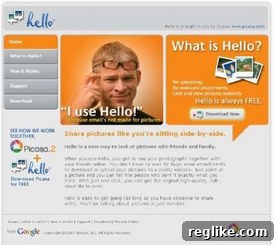
In a move that has captured the attention of domain industry enthusiasts and technology watchers alike, the highly coveted domain name Hello.com has officially changed ownership. Previously held by tech giant Google, the digital asset now resides under new stewardship, marking the end of its inactive tenure with the search engine behemoth. This significant transfer opens a new chapter for a domain ripe with branding potential, sparking widespread speculation about its imminent future.
The sale of Hello.com signifies more than just a simple transaction; it reflects the ever-evolving landscape of digital real estate and the strategic decisions companies like Google make regarding their vast portfolios of intellectual property. For years, this premium domain lay dormant, a silent testament to past ventures. Now, its reactivation under new management hints at exciting possibilities and a potential resurgence into the spotlight.
Google’s Journey with Hello.com: A Farewell to a Digital Past
To fully appreciate the significance of this transfer, it’s essential to look back at Google’s history with Hello.com. Last decade, Google utilized this memorable domain for a photo-sharing service aptly named “Hello.” This platform was designed to foster social connections through visual media, allowing users to share moments and interact in a dedicated online space. At the time, photo-sharing services were rapidly gaining traction, and Google’s entry with Hello.com aimed to capture a segment of this burgeoning market.
However, as Google’s strategic priorities shifted and its product ecosystem evolved, many standalone services were either integrated into larger offerings or, in the case of Hello, eventually discontinued. The photo-sharing service was ultimately shut down, and consequently, Google stopped actively using the domain name. For a considerable period, Hello.com remained a part of Google’s extensive domain portfolio, but without an active service associated with it, serving merely as a placeholder or a forgotten remnant of past ambitions. This common practice for large corporations often leaves valuable domain names in a state of limbo, awaiting either revival or divestment.
The decision to sell Hello.com is consistent with Google’s ongoing process of optimizing its digital assets. While Google owns numerous domain names, divesting those that no longer align with core business objectives allows for streamlined management and potentially monetizes dormant assets. The sale of such a high-value, single-word domain indicates a clear strategic decision by Google to release an asset that, despite its inherent value, no longer fit into their immediate or long-term product roadmap.
Unpacking the Hello.com Domain Transfer: From Google to an Individual
The details surrounding the transfer of Hello.com provide a fascinating glimpse into the mechanics of high-stakes domain transactions. The shift became apparent last Friday, as public Whois records—the internet’s distributed database containing registration details for domain names—began to reflect changes.
The Whois Record Transformation
Specifically, the Whois record for Hello.com displayed a crucial update on April 4. The change of registrant moved from Google, an entity with a clear corporate identity, to “John Murphy.” This immediate shift to an individual’s name is noteworthy, often signaling a personal investment or the use of a proxy for a smaller entity or startup. Furthermore, the contact email address associated with the domain transitioned from a Google-affiliated address to [email protected]. This detail suggests not only a change in ownership but also a proactive step by the new registrant to establish an email presence directly tied to the domain, hinting at immediate plans for its use or development.
The appearance of a dedicated email address linked to the domain itself often precedes active development or communication related to a new project. It suggests that the new owner is already envisioning or has begun implementing a strategy for Hello.com, rather than merely holding it for future resale. Such details are carefully scrutinized by domain name investors and industry observers, as they offer early indicators of a domain’s potential trajectory.
From MarkMonitor to GoDaddy: A Noteworthy Shift
Further solidifying the change in ownership, the domain underwent a registrar transfer over the subsequent weekend. Originally protected and managed by MarkMonitor, a premier brand protection company renowned for safeguarding the digital assets of major corporations and global brands, Hello.com moved to GoDaddy. GoDaddy, in contrast, is one of the world’s largest retail domain registrars, widely used by individuals, small businesses, and domain investors.
This shift from a specialized corporate brand protection service to a retail registrar like GoDaddy is a clear indicator of a change in ownership from a large enterprise to an individual or smaller entity. Upon its transfer to GoDaddy, the domain immediately activated Whois privacy protection. Whois privacy services mask the registrant’s personal contact information, replacing it with the registrar’s details. This move is common for individual domain owners who wish to shield their identity from public view, preventing unsolicited contact and maintaining a level of anonymity. While the initial Whois record listed “John Murphy,” the subsequent activation of privacy means that the precise identity of the new owner is now deliberately obscured, adding an element of mystery to this high-profile acquisition.
Introducing the New Owner: John Murphy and the Potential Behind Hello.com
The acquisition of Hello.com by an individual named “John Murphy” (as indicated by the initial Whois record) is a significant development. While the exact identity and background of John Murphy remain private due to the activated Whois privacy, the simple act of acquiring such a premium domain speaks volumes. It suggests either a sophisticated domain investor with a keen eye for high-value assets or an entrepreneur with ambitious plans for a new venture.
Acquiring a domain like Hello.com requires substantial financial investment. Premium, single-word .com domains are often valued in the high five-figure, six-figure, or even seven-figure range, depending on their brandability and market demand. For an individual to make such an acquisition indicates either significant personal wealth, backing from a venture, or a deep understanding of the domain market’s intrinsic value. The choice to use his own name initially, before opting for privacy, suggests a straightforward transaction rather than a covert corporate maneuver.
The domain investment community will undoubtedly be watching closely to see what project or company emerges from this acquisition. The name “John Murphy” itself is quite common, making it challenging to pinpoint the exact individual without further public disclosure. However, the connection to a new email address, [email protected], implies a clear intention to activate and utilize the domain rather than simply ‘parking’ it for future resale, though that remains a possibility. This personal touch hints at a direct, hands-on approach to the domain’s future development.
The Enduring Value of Premium Domain Names Like Hello.com
The acquisition of Hello.com serves as a powerful reminder of the immense and enduring value of premium domain names in the digital economy. In an increasingly crowded online world, a memorable, concise, and brandable domain name is an invaluable asset.
Why is “Hello.com” So Desirable?
- Simplicity and Memorability: “Hello” is a universally recognized greeting, making the domain incredibly easy to remember, spell, and recall. This simplicity reduces friction for potential users and customers.
- Brandability: The word “Hello” evokes warmth, welcome, and communication. These attributes make it highly brandable for a wide array of services, from social platforms and messaging apps to customer service portals and introductory educational tools.
- Global Appeal: The English word “hello” is understood in many parts of the world, giving the domain inherent global appeal without cultural barriers that might affect more niche names.
- Single-Word .com: Single-word .com domains are considered the “gold standard” of digital real estate. Their scarcity and historical significance contribute to their high market value. They are finite resources, and the best ones are already taken, making their availability through sale a rare event.
- Trust and Authority: A classic, simple .com domain often confers a sense of trust and authority, which can be crucial for establishing a new brand or service in a competitive market.
These characteristics place Hello.com in the same league as other highly valuable single-word domains that have commanded significant prices over the years. Its inherent qualities position it as a powerful foundation for almost any online venture that seeks to connect with users in a friendly and accessible manner. The investment in such a domain is often seen as a strategic move to build an authoritative and easily recognizable brand from day one, circumventing the need for complex branding exercises or extensive marketing to establish basic recognition.
Envisioning the Future: What Could Hello.com Become?
With Hello.com now under new ownership, the speculation surrounding its future use is fervent. The versatility of the name allows for a myriad of potential applications across various industries.
Potential for a New Communication Platform
Given its past as a photo-sharing service and the inherent meaning of “hello,” one of the most immediate and logical applications could be a new communication or social networking platform. This could manifest as:
- A Modern Messaging App: A fresh competitor to existing services like WhatsApp or Telegram, focusing on simplicity, privacy, or unique features. “Hello” perfectly suits an app designed for initiating conversations.
- A Social Discovery Platform: A service helping people connect, meet new individuals, or form communities based on shared interests, leveraging the welcoming nature of the name.
- A Video Conferencing or Collaboration Tool: With the rise of remote work, “Hello.com” could become a streamlined, user-friendly platform for virtual meetings and team communication, emphasizing ease of use and accessibility.
A Hub for AI and Emerging Technologies
In the age of artificial intelligence, Hello.com could also serve as the friendly face for an AI-powered service. Imagine:
- An AI Assistant or Chatbot: A personal AI that users greet with “hello” and interact with for various tasks, information, or companionship. The domain would convey approachability and ease of interaction.
- A Conversational AI Interface: A portal for accessing complex AI models, making them more human-friendly and accessible to a broader audience.
- An IoT (Internet of Things) Hub: A central platform where users interact with and manage their smart devices, initiating commands with a simple “hello.”
Rebranding or Launching a Global Service
Beyond communication and AI, Hello.com’s broad appeal makes it suitable for a range of other ventures:
- A Global Welcome Portal: A site offering resources, guides, or services for newcomers to a city, country, or even a specific online community.
- A Greeting Card or Gifting Service: Leveraging the traditional meaning of “hello” for sending digital or physical greetings and gifts.
- An EdTech Platform: A welcoming entry point for online learning, especially for beginners or those new to a subject, with the domain name reinforcing an accessible learning environment.
- Corporate Rebranding: An existing company, perhaps one looking to soften its image or expand globally, might acquire and rebrand under Hello.com for a more universally friendly and modern identity.
The possibilities are vast, limited only by the vision and resources of the new owner. The universal appeal and inherent positivity of “Hello” ensure that whatever project emerges will likely aim for broad reach and user-friendly interaction.
Conclusion: A Domain to Watch in the Digital Landscape
The transfer of Hello.com from Google’s inactive portfolio to a new, private owner represents a pivotal moment for this premium digital asset. It underscores the dynamic nature of the domain market and the enduring value of short, memorable, and highly brandable names. While Google’s era with Hello.com has concluded, a new chapter begins, brimming with potential. The acquisition by “John Murphy” and the immediate activation of Whois privacy suggest a serious intent to develop the domain, rather than merely speculate on its value.
Indeed, this is definitely one to watch. The digital world eagerly awaits the unveiling of what Hello.com will become under its new stewardship, anticipating a potential new service or brand that leverages the domain’s powerful and welcoming identity to make a significant impact online. The story of Hello.com is far from over; in fact, it feels like it’s just saying hello to a brand new beginning.
(Photo from Screenshots.com.)