
The Battle for Thalamus.com: A Domain Dispute Unpacking Brand, Biology, and Billions
In the evolving landscape where digital identity often dictates a brand’s reach and recognition, the collision of a specific business identity with a generic dictionary term can ignite complex legal disputes. Such is the current predicament faced by SJ Medconnect, Inc., the innovative company behind the medical education interview platform known as Thalamus. This platform has initiated a significant legal battle to secure ownership of the domain name thalamus.com, alleging trademark infringement and cybersquatting. This case, unfolding in the digital realm, pits a meticulously built brand against the seemingly innocuous nature of a common scientific term, raising crucial questions about intellectual property, domain valuation, and the intricacies of online branding strategies.
Understanding the Plaintiff: Thalamus, the Medical Interview Platform Pioneering Healthcare Education
SJ Medconnect, Inc., operating prominently under the brand name Thalamus, has carved a niche in the highly competitive medical education sector. Their platform is specifically designed to streamline the notoriously complex and high-stakes medical interview process, offering essential tools and resources for aspiring medical professionals. The choice of “Thalamus” as a brand name is no mere coincidence; it cleverly alludes to the part of the brain responsible for relaying sensory and motor signals, regulating consciousness, and playing a vital role in learning and memory. This name subtly communicates the platform’s core mission: to serve as a central hub for critical information, connecting aspiring doctors with their future careers. For a platform so deeply embedded in facilitating communication and knowledge transfer within the medical community, a corresponding, clear, and unassailable digital presence, particularly a prime domain like thalamus.com, is not just an asset but a cornerstone of its brand identity and operational continuity.
The Heart of the Matter: Allegations of Cybersquatting Under the ACPA
At the core of this legal contention is an in remlawsuit filed by SJ Medconnect, Inc. against the domain name itself, asserting a clear violation of the Anti-Cybersquatting Consumer Protection Act (ACPA). The ACPA, enacted in 1999, is a federal law specifically designed to protect trademark owners from individuals who register, traffic in, or use a domain name with a bad-faith intent to profit from the goodwill of someone else’s trademark. To succeed under the ACPA, a plaintiff must demonstrate that the domain name is identical or confusingly similar to their distinctive or famous mark, and that the defendant registered, trafficked in, or used the domain name with a bad-faith intent to profit. The “in rem” nature of the lawsuit means that the legal action is directed against the property itself—in this case, the domain name—rather than against the specific owner, which can be a strategic move when the owner’s identity is obscured or difficult to ascertain, as is often the case with Whois privacy.
A Deep Dive into Trademarks: Protecting the “Thalamus” Brand Identity
The foundation of SJ Medconnect’s legal claim rests firmly on its established intellectual property rights. The company proudly holds registered trademarks for “Thalamus,” with these protections dating back to 2017. Trademarks are invaluable legal tools that safeguard a brand’s name, logo, and other distinctive identifiers, preventing others from using similar marks in a way that could cause consumer confusion about the source of goods or services. For a brand like Thalamus, which relies heavily on trust and recognition within a professional community, these trademarks are vital. They signify a unique identity in the marketplace and grant the owner the exclusive right to use the mark in connection with their specific goods and services. The existence of these prior trademarks serves as a critical piece of evidence in the lawsuit, suggesting that the medical education platform has a well-established and legally protected claim to the “Thalamus” identity long before the domain in question became associated with a similar-looking logo and a for-sale listing.
The Domain in Contention: Thalamus.com’s Shifting Digital Landscape
The journey of thalamus.com itself presents a compelling narrative within this dispute. Its recent history, ownership changes, and online presentation are central to the cybersquatting allegations.
From Renowned Investor to Private Ownership: Tracing Thalamus.com’s Path
According to the lawsuit, historical Whois records indicate that thalamus.com was, at one point, under the ownership of a well-known domain investor. Domain investors are individuals or entities that register and acquire domain names with the intention of selling them for a profit, often speculating on their future value. This practice is a legitimate aspect of the domain aftermarket. However, the lawsuit highlights a significant shift in 2023 when the domain was transferred to a different registrar, Moniker, and subsequently placed under Whois privacy. While Whois privacy services offer a legitimate way for domain owners to protect their personal information from public view, it can also complicate attempts by trademark holders to identify and directly communicate with domain registrants regarding potential infringements. This obscuring of ownership details often necessitates more indirect communication channels or, as in this case, a legal filing against the domain itself.
The Atom.com Listing: A Catalyst for Concern and Litigation
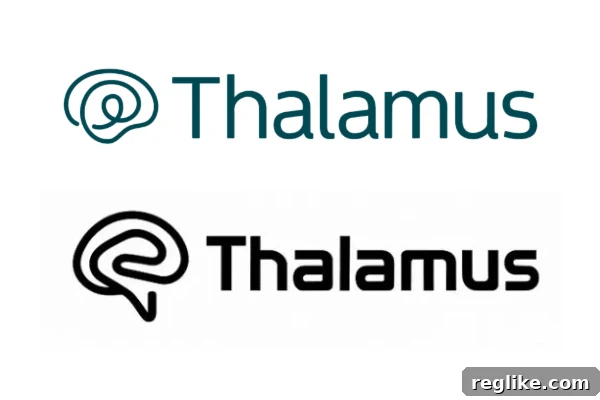
The turning point for SJ Medconnect’s concerns came when they observed thalamus.com resolving to a “for-sale” lander on Atom.com. Atom.com is a respected platform in the domain marketplace, facilitating the buying and selling of premium domain names. The mere listing of a domain for sale is not inherently problematic. However, what reportedly ignited the plaintiff’s alarm was the specific logo displayed on this Atom.com listing. SJ Medconnect claims that this logo bore a striking resemblance to its own established brand imagery for Thalamus. This visual similarity, coupled with the domain being listed for a substantial price, provided the impetus for the medical education platform to move beyond monitoring and initiate legal action, believing it indicated an intent to capitalize on their brand’s goodwill.
The Logo Controversy: A Striking Similarity or Pure Coincidence?
Central to the trademark infringement claim is the visual evidence comparing the two logos. SJ Medconnect, Inc. contends that the logo featured on the thalamus.com listing on Atom.com bears an unmistakable similarity to its own official Thalamus brand logo. In the graphic presented within the lawsuit, the plaintiff’s logo is shown at the top, juxtaposed with the logo found on the domain’s listing at the bottom.
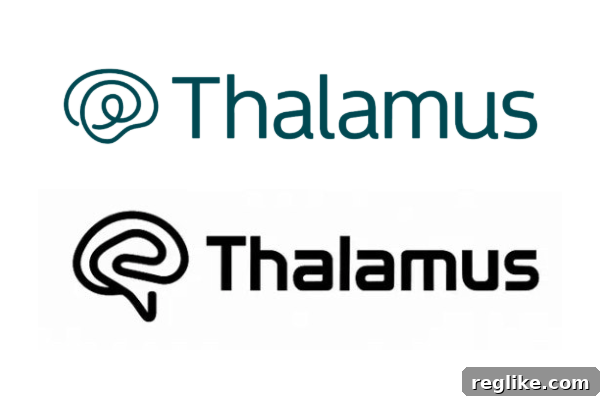
While the visual elements certainly appear to share common design characteristics, the legal implications hinge on whether this similarity is sufficient to confuse average consumers about the origin of goods or services, or whether it demonstrates an attempt by the domain seller to trade on the established reputation of the Thalamus brand. The plaintiff’s argument suggests that such a prominent display of a confusingly similar logo on a highly valuable domain name, especially when offered for sale, is a strong indicator of bad-faith intent under the ACPA, aiming to mislead potential buyers or profit from brand recognition that is not their own.
The Generic Nature of “Thalamus”: A Double-Edged Sword in Branding and Litigation
One of the most intriguing and challenging aspects of this case is the fundamental nature of the word “thalamus” itself. As highlighted in the original report, “thalamus” is a recognized dictionary term, referring specifically to a critical part of the brain. This fact introduces a significant layer of complexity to the legal proceedings, potentially acting as both a strength for the domain owner and a hurdle for the plaintiff.
- For the Plaintiff (SJ Medconnect, Inc.): While they possess trademarks for “Thalamus,” claiming exclusive rights to a generic term for all purposes is notoriously difficult. Trademark law often requires a “secondary meaning” to be established for generic terms, meaning consumers primarily associate the term with a specific company’s goods or services, rather than its common dictionary definition. SJ Medconnect will need to demonstrate that within the context of medical education and related services, “Thalamus” primarily refers to their platform, and that the domain’s use with a similar logo is intended to exploit this established secondary meaning.
- For the Domain Owner (Defendant): The generic nature of the term provides a potential defense. The domain owner could argue that thalamus.com merely references the anatomical part of the brain, and that any branding or listing description (like “AI and neuroscience related”) is simply a legitimate use of the dictionary term. This argument would seek to undermine the claim of bad-faith intent, suggesting that the domain’s value and usage stem from its inherent scientific meaning, not from an attempt to infringe upon SJ Medconnect’s specific brand.
Historical Context: The Brain Image and AI/Neuroscience Description
Further complicating the narrative is the historical usage of the thalamus.com domain. Records from the Wayback Machine, an internet archive, show that prior to its current redirection to the Atom.com lander, the domain resolved to a page featuring a stylized image of a brain. This historical context is critical. It suggests that the domain’s prior use was indeed aligned with its generic, scientific meaning. Moreover, the Atom.com listing itself includes a description linking the domain to “AI and neuroscience.” These elements could be interpreted in two ways: either they genuinely reflect a long-standing intent to brand the domain around its scientific definition, making an infringement claim harder to prove, or they are a sophisticated attempt to cloak a cybersquatting scheme under the guise of legitimate generic use, particularly when combined with the contentious logo.
The Price Tag: $575,000 and the Question of Intent
Perhaps one of the most compelling pieces of evidence cited by the plaintiff concerning “bad-faith intent” under the ACPA is the domain’s exorbitant asking price. Thalamus.com is listed on Atom.com under the “ultra-premium” category with an eye-watering price tag of $575,000. This valuation is a critical factor in ACPA cases because the Act specifically targets those who register domain names primarily to sell them for profit far exceeding the legitimate costs of acquisition and registration, especially when targeting an existing trademark. A price of over half a million dollars for a domain name, particularly one that now displays a logo similar to an existing brand, strongly suggests an intent to profit from the domain’s perceived value. The legal question then becomes whether this high value is genuinely derived from the domain’s generic appeal in the scientific or AI sector, or if it is inflated by the association, real or implied, with SJ Medconnect’s established “Thalamus” brand. The sheer magnitude of the asking price will undoubtedly be scrutinized by the court as it attempts to discern the true motivations behind the domain’s current listing.
The Communication Gap: A Missed Connection Before Litigation
Prior to escalating the matter to a full-blown lawsuit, SJ Medconnect, Inc. asserts that it attempted to establish contact with the domain owner to resolve the issue amicably. However, these attempts were reportedly unsuccessful, with the plaintiff stating they did not receive a response. The method of contact, as detailed, involved sending an email to [email protected]. This specific detail is noteworthy because Moniker is the domain’s registrar, and “abuse@” email addresses are typically designated for reporting spam, phishing, or other illicit activities originating from domains registered with them. While a legitimate channel for certain issues, it is generally less direct for communicating with a domain owner, especially one utilizing Whois privacy. Often, privacy services provide a specific, unique email address or a web form for contacting the underlying registrant. Sending an email to a general abuse department, rather than through the privacy service’s designated channel, might explain why the communication attempt went unanswered or was not forwarded directly to the domain owner. This communication breakdown underscores the challenges faced by trademark holders in reaching anonymous domain registrants and highlights the importance of utilizing the most appropriate contact methods available before resorting to litigation.
The Broader Implications: Navigating Brand Protection in the Digital Wild West
The Thalamus.com dispute transcends the immediate parties involved, resonating with broader implications for both brand owners and domain investors operating in the digital sphere. This case exemplifies the intricate balance between intellectual property rights and the often-unregulated practices of domain acquisition and monetization. For brand owners, especially those who choose names based on generic or descriptive terms, it underscores the critical need for proactive brand protection strategies, including early trademark registration and diligent monitoring of the domain landscape. It highlights the inherent vulnerability when a brand name, though distinctive in its specific market, shares a common vocabulary with the wider world. Conversely, for domain investors, the lawsuit serves as a stark reminder of the legal risks associated with acquiring and listing domains that may infringe on existing trademarks, even inadvertently. It emphasizes the importance of thorough due diligence to avoid accusations of bad-faith intent, particularly when generic terms can quickly acquire secondary meaning in the minds of consumers. The outcome of this case could set precedents for how courts interpret “bad-faith intent” in the context of high-value generic domain names, especially those adorned with potentially confusing branding.
Conclusion: A High-Stakes Legal Showdown Shaping Digital Branding Futures
The legal battle for thalamus.com represents a high-stakes showdown at the crossroads of branding, biology, and digital commerce. SJ Medconnect, Inc.’s pursuit of its brand’s digital namesake, citing trademark infringement and cybersquatting, encapsulates the complexities of protecting intellectual property in an age where domain names are prized digital assets. The interplay of a registered trademark, the generic nature of a scientific term, the historical use of the domain, the striking similarity of logos, and a staggering half-million-dollar asking price, all converge to create a compelling and legally challenging scenario. As the courts deliberate on the intent behind the domain’s listing and the potential for consumer confusion, the resolution of this case will undoubtedly offer significant insights and potentially shape the future strategies for both brand owners striving to secure their digital identities and domain investors navigating the nuanced ethics and legality of the aftermarket. The outcome will be closely watched, as it could redefine the boundaries of brand protection and responsible domain ownership in the ever-expanding digital ecosystem.