
Poker Tilt: A Deep Dive into Dutch Boyd’s Unfiltered Memoir and the Shifting Sands of High-Stakes Industries
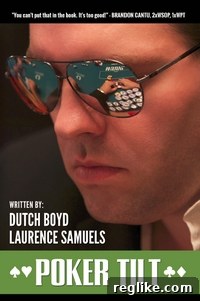 The fascinating world of domain investing often introduces me to individuals from incredibly diverse walks of life, each bringing a unique story and perspective to the table. It’s a landscape where pioneers, entrepreneurs, and visionaries converge, creating a rich tapestry of experiences. Among these intriguing personalities is Dutch Boyd, a name synonymous with the highest echelons of professional poker and, perhaps surprisingly to some, a keen dabbler in the complex realm of domain names. His journey, marked by both dazzling victories and profound personal challenges, offers invaluable insights not just into the competitive world of cards, but also into the inherent volatility and evolution of digital asset markets.
Boyd, a distinguished three-time World Series of Poker (WSOP) bracelet winner, has recently channeled his remarkable life story into a captivating memoir titled “Poker Tilt.” This book isn’t merely a recounting of poker hands; it’s a raw, unflinching look at his personal and professional odyssey, making it a compelling read for anyone interested in the intersection of high-stakes decision-making, mental resilience, and entrepreneurial ambition. His narrative transcends the green felt, offering potent lessons applicable far beyond the poker table, especially for those navigating the ever-changing tides of the domain name industry.
From Vegas Encounters to Literary Endeavors: My Introduction to Dutch Boyd
My initial encounter with Dutch Boyd was many years ago at a TRAFFIC conference in Las Vegas, a premier event for domain industry professionals. As a fan of my blog, he approached me, and we quickly struck up a conversation that felt both spontaneous and intellectually stimulating. Our shared interest in digital assets formed an immediate bond, but it was his candidness about his dual career in professional poker that truly captivated me. Our discussion naturally extended beyond the conference floor, leading us to the vibrant, always-on atmosphere of the poker tables. It was there, amidst the clatter of chips and the quiet intensity of the game, that Boyd generously offered me a crash course in poker strategy. While my wallet may have emerged a little lighter that night (a testament, perhaps, to the difficulty of mastering the game, rather than the quality of his instruction!), the experience solidified my appreciation for his sharp intellect and engaging personality. It underscored the profound lessons that can be gleaned from unexpected connections made in a dynamic industry like domain investing.
Having followed his career over the years, I was well aware of the significant ups and downs that have punctuated Dutch Boyd’s life. After navigating one of his most challenging periods, he embarked on a brave new venture: leveraging Kickstarter to fund the publication of his memoir, “Poker Tilt.” This decision itself speaks volumes about his resilience and determination, offering a glimpse into the kind of tenacity required to succeed in competitive fields. The book promises, and delivers, an intimate look into his intriguing life story, meticulously tracing his path from a humble upbringing with a single mother to the ambitious, albeit ultimately ill-fated, launch of his own online poker site, and his courageous battles with mental illness. It’s a narrative that blends professional drama with deeply personal struggles, creating a memoir that resonates with honesty and vulnerability.
The Genesis of a Prodigy: Early Life, Ambition, and the PokerSpot Dream
Even from his formative years, Dutch Boyd displayed an exceptional intellect and an insatiable drive. A true prodigy, he achieved what many would consider impossible: graduating from law school at the remarkably young age of 18. This academic feat stands in stark contrast to the typical trajectory of most individuals, who are often just graduating high school at that age. Such an early demonstration of intellectual prowess and ambition provided a clear indication of the sharp mind and formidable will that would later define his professional poker career and entrepreneurial ventures. His ability to grasp complex legal concepts and excel in such a demanding environment speaks volumes about his cognitive abilities and relentless pursuit of knowledge.
This same entrepreneurial spirit and keen understanding of emerging markets led Boyd to establish PokerSpot, an online poker site, during the nascent stages of the online gaming boom. It was an ambitious undertaking, aiming to carve out a niche in a rapidly expanding digital frontier. However, the venture ultimately faced a catastrophic downfall, leaving a trail of unfulfilled promises and disgruntled players. In “Poker Tilt,” Boyd attributes the collapse primarily to the intricate and often volatile world of credit card processors, alleging that they withheld crucial funds, crippling the site’s operations. While his explanation sheds light on the systemic challenges faced by early online gaming platforms, it’s undeniable that for players who had deposited their hard-earned money with PokerSpot, the ultimate reality was a deeply personal one: they never received their funds back. This unfortunate episode undoubtedly created a significant number of enemies and cast a long shadow over his early entrepreneurial endeavors, highlighting the inherent risks and the profound responsibilities that come with managing online financial platforms.
Battling Inner Demons: Mental Health, Manic Episodes, and Misguided Domain Acquisitions
Beyond the high-stakes world of poker and the tumultuous realm of online business, Dutch Boyd’s journey took a profoundly personal and challenging turn as he began to grapple with severe depression. His struggles eventually led to a diagnosis of bipolar disorder, a condition characterized by extreme mood swings that include emotional highs (mania or hypomania) and lows (depression). For Boyd, this meant enduring multiple manic episodes, periods of intense energy, racing thoughts, and often impulsive decision-making. These episodes, as he candidly reveals, had devastating consequences, leading to a string of failed relationships, alienated friends, and an even greater accumulation of adversaries.
It was perhaps during one of these particularly intense manic phases that Boyd engaged in some ill-advised domain name acquisitions. The impulsive nature characteristic of manic episodes can lead to poor judgment, especially concerning financial decisions. This period saw him making what he now describes as “failed domain name acquisitions,” which understandably led to complaints and discussions on various domain name forums. His book offers a poignant and honest reflection on this period, providing direct insight into how his mental health struggles impacted his judgment:
I started sleeping less, wouldn’t stop talking about random nonsense, and slowly sunk deeper into full-blown mania. I went through a buying splurge where I wasted thousands of dollars on worthless domain names…
This quote is a powerful testament to the destructive potential of uncontrolled mental illness, illustrating how even a brilliant mind can be led astray by internal struggles. Boyd’s courage in sharing this vulnerable aspect of his life not only demystifies mental health challenges but also serves as a cautionary tale for anyone involved in high-stakes investing, emphasizing the critical importance of mental well-being and sound decision-making, particularly in volatile markets like domain names.
The Shifting Sands: Poker, Domains, and the Urgency of Adaptation
Beyond the deeply personal narrative of his life, “Poker Tilt” offers a compelling analysis of the current state of the poker industry. Boyd meticulously details its decline, highlighting factors that have contributed to its retreat from its boom years. What struck me most profoundly while reading his insights was the eerie and significant parallels with the domain name industry. As I mentally swapped “domain” for “poker” in his descriptions, a startling number of similarities emerged, revealing shared challenges and common pitfalls that both industries are currently navigating.
Indeed, certain aspects of the domain name business are unequivocally not what they once were. The halcyon days of easy type-in traffic, lucrative generic sales, and straightforward monetization strategies have largely faded. Yet, a significant portion of domain investors, much like the poker players Boyd describes, seem to ignore this palpable reality. Many continue to press forward with outdated methodologies, assuming that what worked a decade ago will continue to yield success indefinitely. There’s a tendency to cling to past glories, with investors often patting each other on the back for “big scores” made when the landscape was fundamentally different. This nostalgic focus often comes at the expense of acknowledging and adapting to the profound shifts that have occurred in just the past few years, from the proliferation of new gTLDs and the dominance of search engines to evolving user behavior and stricter monetization policies. The resistance to confronting these new realities can be a significant impediment to long-term success.
The poker industry, as Boyd articulates, is facing its own set of unique challenges that contribute to its retreat. These can include increased regulatory pressures, the saturation of the market, the rise of sophisticated AI and game theory making the game harder to beat, and a general decline in casual player engagement. While the specific catalysts for decline may differ between poker and domains, the underlying message is identical: industries evolve, and those who fail to adapt risk becoming obsolete.
Navigating the New Landscape: Reinvention as the Key to Survival
Fortunately for domain name investors, the narrative is not one of impending doom but rather one of urgent opportunity. There are indeed plenty of ways to reinvent oneself and strategically shift business models to capitalize on the new landscape. Successful domain investors today are not merely buying and selling names; they are engaging in comprehensive digital asset management, focusing on development, branding, content creation, and leveraging domains as integral parts of broader online strategies. They are exploring niche markets, understanding SEO implications, and building actual businesses on their digital real estate, rather than simply relying on speculative value or passive income from parking pages. This dynamic approach requires a willingness to learn, adapt, and innovate constantly, transforming from passive investors into active digital entrepreneurs.
For professional poker players, the path to reinvention might not be as straightforward or as varied. While some can transition into coaching, content creation, or moving into other forms of trading, the core activity of playing poker itself often has more limited avenues for diversification. The game’s inherent reliance on pure skill, combined with the increasing difficulty of outplaying opponents and the mental toll it takes, means that adapting to a changing environment can be a much steeper uphill battle. The options for pivoting within the exact same skill set are often fewer, underscoring the greater flexibility afforded to those in the broader digital asset space.
A Minor Quibble, a Major Recommendation: The Enduring Value of “Poker Tilt”
If I were to voice a single minor complaint about Dutch Boyd’s otherwise enthralling book, it would be the occasional use of specific poker terminology that might be unfamiliar to readers outside of the poker world. While these terms are integral to the game itself, they can sometimes create brief moments of disconnect for the uninitiated. However, this is a truly minor point, and I want to emphasize that it does not significantly detract from the overall reading experience. The power of Boyd’s narrative, the honesty of his confessions, and the universality of his struggles with ambition, failure, and mental health ensure that the book flows smoothly and remains utterly captivating, even if one doesn’t grasp every single poker reference.
“Poker Tilt” is far more than just a poker book; it is a raw, introspective, and profoundly honest memoir of a brilliant individual navigating the complexities of high-stakes environments and deep personal challenges. It offers invaluable lessons on resilience, the importance of mental well-being, and the critical need for adaptation in any competitive field. Boyd’s willingness to expose his vulnerabilities, from the collapse of PokerSpot to his battles with bipolar disorder and his “worthless domain name” acquisitions, makes his story incredibly relatable and inspiring. It is a powerful testament to the human spirit’s capacity for survival and self-reinvention.
Dutch Boyd’s “Poker Tilt” is, without a doubt, a book well worth reading. Its candidness, coupled with its unique blend of personal narrative and industry commentary, makes it a compelling and thought-provoking experience for a wide audience. Whether you’re a poker enthusiast, a domain investor, an entrepreneur, or simply someone interested in the human journey, there’s a wealth of wisdom and insight to be found within its pages. The book is readily available on Amazon.com, offered in both convenient Kindle and traditional paperback versions, ensuring accessibility for all readers eager to delve into this extraordinary story.