
The Shifting Landscape of NFT Value: Navigating Supply, Scarcity, and Sustainable Collectibility
The world of Non-Fungible Tokens (NFTs) has captured global attention, igniting a fervent digital collecting craze that has seen assets change hands for millions. From digital art to virtual land, and perhaps most prominently, sports memorabilia in the form of NBA Top Shots, NFTs promised a new era of digital ownership and verifiable scarcity. However, as the initial euphoria settles, a critical question emerges: can this burgeoning market sustain its stratospheric valuations amidst an ever-growing supply? While each individual NFT boasts a unique digital fingerprint, the sheer volume of new digital assets entering the market daily raises important concerns about genuine rarity and long-term investment viability.
Two months ago, we delved into the fundamental concept of manufactured scarcity as it applies to NFTs. The essence of an NFT lies in its non-fungibility – meaning it is unique and cannot be replaced by another identical item. This inherent uniqueness, however, does not automatically equate to market scarcity. While a particular NBA Top Shot “moment” might be one-of-a-kind with its specific serial number, the continuous creation of *new* moments across an ever-expanding spectrum of players, plays, and rarity tiers fundamentally alters the landscape of perceived value. This distinction between individual uniqueness and overall market rarity is crucial for anyone engaging with digital collectibles, whether as a collector or an investor.
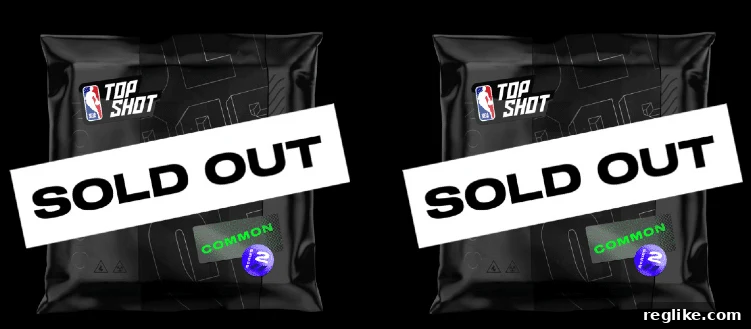
NBA Top Shots: A Case Study in Diluted Scarcity
NBA Top Shots, launched by Dapper Labs, quickly became a flagship success story for NFTs, transforming iconic basketball moments into digital video clips that collectors could own, trade, and showcase. The initial demand was astronomical, with common moments selling for double-digit prices and rarer ones fetching hundreds or even thousands of dollars. Early adopters flocked to the platform, driven by the excitement of a nascent market and the promise of substantial returns.
However, the platform’s business model inherently involves the ongoing minting and release of new “packs” containing these digital moments. As Dapper Labs continued to print more moments – new series, new challenges, new editions – the market began to experience the effects of increased supply. What was once considered a relatively scarce asset, even in its common form, became more readily available. This constant influx has led to a noticeable and predictable decline in prices for many moments. Whereas even the most common and less sought-after moments once commanded prices upwards of $10, their value has steadily eroded, often settling around the $2 mark today. This sharp devaluation serves as a stark reminder that even within a controlled ecosystem, supply-side dynamics play a pivotal role in price determination.
Moreover, the concept of “rarity” within Top Shots, defined by different tiers (e.g., Common, Rare, Legendary), also faces challenges under sustained minting. While a “Rare” moment might be limited to a few thousand editions, if hundreds of different “Rare” moments are eventually minted across various series, the overall pool of “rare” assets expands significantly. This phenomenon challenges the traditional understanding of rarity, where true scarcity is often a defining characteristic of high-value collectibles. The same principle applies broadly across the NFT ecosystem: when an infinite number of “unique” items can be created, genuine market scarcity becomes an increasingly elusive characteristic.
The Broader NFT Market: A Sea of Digital Assets
The supply issue extends far beyond NBA Top Shots, impacting the entire NFT market. The barrier to entry for creators has dramatically lowered, allowing countless artists, developers, and brands to mint their own unique digital assets. This ease of creation has led to an explosion of NFT projects, ranging from profile picture (PFP) collections like CryptoPunks and Bored Apes to generative art, in-game items, and music NFTs. While this innovation is commendable, it simultaneously floods the market with a vast array of digital collectibles, each vying for investor attention and capital.
To draw an analogy, consider the launch of new top-level domains (TLDs) years ago. When a wave of new domain extensions like .guru, .xyz, and .tech were introduced, there was an initial surge of investment from domainers and speculators. The earliest TLDs often saw significant price appreciation, fueled by a concentrated pool of investor money looking for the next big thing. However, as hundreds more TLDs were released, the “domainer money” became increasingly diluted. There simply wasn’t enough capital to prop up the value of every new domain. The market became saturated, and only a select few managed to retain significant value.
The NFT market faces a similar predicament. While the total pool of global wealth is immense, the capital specifically allocated to speculative digital collectibles and graphic assets is finite. As new projects launch daily, this limited pool of money is spread thinner and thinner. Investor fatigue can set in, and the constant need to evaluate new opportunities can lead to a more cautious approach. Without fresh capital consistently entering and supporting *every* new project, price appreciation becomes increasingly difficult to achieve across the board. The market naturally becomes more discerning, favoring projects with strong fundamentals, established communities, or clear utility.
Beyond Speculation: The Imperative of Utility
For many, the initial allure of NFTs was the promise of quick financial gains. However, as the market matures and supply continues to grow, a critical shift is occurring from pure speculation to a greater emphasis on inherent utility. While collecting for the hope of price appreciation is a valid motive, history teaches us that enduring value in collectibles often stems from more than just rarity; it’s also about purpose and function.
NFTs with tangible utility have a stronger potential for long-term sustainability. This utility can manifest in various forms:
- Gaming Integration: NFTs serving as in-game assets, characters, or virtual land within blockchain games, offering players actual ownership and economic participation.
- Exclusive Access: Providing holders with access to private communities, events, content, or early-bird opportunities.
- Governance Rights: Granting holders voting power in decentralized autonomous organizations (DAOs), allowing them to shape the future of a project.
- Real-World Redemption: Linking digital assets to physical goods or experiences, blurring the lines between the digital and tangible.
When an NFT offers more than just a digital image – when it unlocks experiences, confers rights, or enhances functionality within an ecosystem – it creates a baseline of demand independent of speculative fervor. This utility provides a floor for its value, making it less susceptible to the wild swings of market sentiment driven purely by potential resale profit.
Collecting for Passion: A Timeless Pursuit
Ultimately, the joy of collecting should extend beyond financial motives. Whether it’s physical stamps, vintage coins, rare books, or digital NFTs, collecting is often a deeply personal and fulfilling hobby. The satisfaction derived from acquiring a coveted item, the thrill of completing a set, or the connection to a particular artist or brand can be profoundly rewarding, irrespective of market fluctuations.
If an NFT holds personal significance, sparks joy, or connects you to a community you value, then its intrinsic worth transcends its monetary value. In such cases, collecting becomes an act of passion, much like accumulating a cherished art collection or a library of beloved books. When you collect for reasons other than purely hoping for price appreciation, you mitigate the risk of disappointment if the market doesn’t perform as expected. This mindset allows for a more sustainable and enjoyable engagement with the world of digital collectibles, ensuring that your investment, whether financial or emotional, is ultimately rewarding.
The Future of NFTs: Navigating a Maturing Market
The NFT market is undeniably still in its early stages, characterized by rapid evolution, innovation, and, at times, significant volatility. As it matures, we can anticipate a period of consolidation, where projects lacking strong utility, engaged communities, or sustainable roadmaps may fade away, while those with genuine value propositions thrive. Investors and collectors alike will need to exercise increasing diligence, researching projects thoroughly, understanding their underlying technology, and assessing the long-term vision of their creators.
The digital frontier of collectibles is vast and exciting, but it demands a balanced perspective. While the allure of instant riches can be powerful, a more nuanced understanding of supply, manufactured scarcity, and the critical role of utility will be paramount for navigating this complex landscape. Embrace the innovative spirit of NFTs, but do so with caution, clarity, and an appreciation for the enduring satisfaction that true collecting passion can bring.