
Unlocking Google’s Vision: A Deep Dive into .car, .cars, and .auto Domain Strategy
In the dynamic and rapidly evolving digital landscape, domain name registrations offer far more than just a simple web address. They frequently serve as strategic declarations, subtly hinting at a company’s future ambitions, technological directions, and market positioning. When a new wave of top-level domains (TLDs) such as .car, .cars, and .auto first emerged, they immediately generated considerable buzz across various industries. While many corporations, including tech giants like Apple, predictably moved to secure their core brand names within these new extensions, Google’s approach proved to be uniquely insightful and far more intriguing. Far from being limited to mere brand protection, Google’s carefully curated domain portfolio within the automotive TLDs provides a fascinating and detailed glimpse into its multifaceted strategy for shaping the future of transportation and technology.
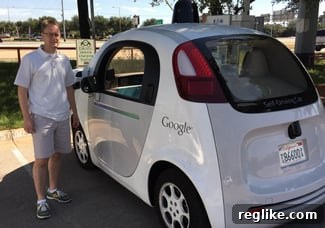
Beyond the Obvious: Why Tech Giants Proactively Secure New TLDs
The launch of new generic TLDs (gTLDs) invariably triggers a predictable, yet crucial, strategic response from major corporations: the comprehensive registration of their primary brands across these novel extensions. This strategy is predominantly defensive, meticulously designed to protect brand integrity and proactively mitigate the pervasive threat of cybersquatting. Companies like Apple, for instance, are renowned for their exhaustive domain registration strategies, securing essential names such as Apple.car, Apple.cars, and Apple.auto. While these moves often garner significant media attention and generate headlines, they largely represent a standard operational procedure within the corporate world. Such actions are indispensable for ensuring that a company’s brand identity remains uncompromised, that customers are consistently directed to legitimate online sources, and that future product launches or service expansions are not hampered by pre-existing or malicious domain claims.
Google, a global leader in technology, adheres to a similar, equally essential protocol. To safeguard its expansive ecosystem of brands and services, it meticulously registered domains such as Adsense.car, Alphabet.car, and Google.car. These registrations are not merely speculative; they are foundational elements of Google’s digital defense, ensuring that the company’s core services, corporate identity, and user trust are robustly protected as the internet continues to expand into more specific, niche, and industry-focused territories. However, what truly distinguishes Google’s strategy from its peers is its decisive venture beyond these straightforward brand registrations, delving into a realm that suggests a far more aggressive, forward-thinking, and strategically nuanced intent.
Google’s Strategic Foresight: Dominating the Generic Automotive Landscape
While the imperative of brand protection is universally acknowledged, Google’s genuinely innovative spirit is most vividly revealed in its proactive acquisition of generic and highly descriptive domain names within the .car, .cars, and .auto TLDs. This is precisely where Google transitions from merely safeguarding its existing brands to actively staking a substantial and formidable claim in an entire technological frontier. Of particular note, Google strategically registered:
- SelfDriving.car
- Self-Driving.car
- Driverless.car
- GoogleSelfDriving.car
These aren’t just arbitrary names; they are powerful, keyword-rich descriptors that directly and unequivocally align with Google’s long-standing and widely publicized pioneering work on autonomous vehicles, primarily spearheaded by its Waymo project. The securing of these pivotal domains serves as an unmistakable indication of Google’s profound ambition to lead and definitively shape the future of global mobility. By strategically owning such prominent generic terms, Google is meticulously positioning itself to achieve several critical objectives:
- Control the Narrative: These domains provide Google with invaluable digital real estate, enabling it to launch dedicated platforms, comprehensive information hubs, or even future commercial services intimately related to cutting-edge self-driving technology.
- Enhance SEO and Visibility: Generic, highly descriptive domains can significantly bolster search engine optimization (SEO), making it substantially easier and more intuitive for users actively searching for “self-driving cars” to discover Google’s offerings, research, or authoritative information.
- Prevent Competition and Market Entrenchment: By proactively holding these key industry terms, Google effectively prevents direct competitors from utilizing them to gain an immediate or perceived advantage in what is still a nascent but rapidly accelerating and highly competitive industry.
- Signal Market Leadership: The forward-thinking and proactive registration of such foundational and industry-defining terms emphatically reinforces Google’s unwavering commitment and its widely recognized leadership position within the autonomous driving space, signaling profound confidence in its ongoing technological advancements and future vision.
This calculated and meticulously executed approach showcases a level of strategic foresight that extends far beyond a simple brand defense mechanism. It represents a substantial and future-oriented investment in emerging markets, a tangible and assertive claim on the critical terminology that is poised to define and revolutionize the automotive industry for decades to come. It’s a testament to Google’s long-term vision and its intent to be at the forefront of technological transformation.
The Enigma of ‘X’: Deciphering Google’s Mysterious ‘X.car’ Registrations
Perhaps the most captivating and intensely speculative registration within Google’s extensive automotive domain portfolio is the profoundly enigmatic ‘X’. The company not only secured X.car
but also extended its reach to include X.cars
and X.auto
. Initially, this single-letter domain ignited a flurry of vibrant speculation among industry observers and enthusiasts alike: Was ‘X’ a cryptic codename for a specific, yet-to-be-unveiled Google vehicle, perhaps colloquially dubbed the “Google X Car”? Or was it strategically intended for an entirely new software platform, branded simply as “X,” poised to power future sophisticated automotive systems? The concurrent existence and widespread recognition of Tesla’s Model X SUV further fueled the intriguing notion that a single, powerful letter could indeed carry immense brand weight and instantly recognizable consumer appeal.
However, a crucial update provides additional clarity and sheds further light on the true motivations behind this peculiar registration. ‘X’ is, in fact, a recognized, albeit distinct, brand entity embedded within the vast Google ecosystem. It specifically refers to X Development LLC, formerly known as Google X, which serves as the company’s semi-secret research and development facility. This clandestine lab is exclusively dedicated to “moonshot” projects – highly ambitious, revolutionary technologies designed to tackle some of the world’s most daunting and complex challenges. Given Google’s established pattern of registering other X.TLD domains (e.g., X.company), the underlying motivation for X.car and its variations is likely rooted in comprehensive brand protection for this innovative and exploratory entity.

Nevertheless, even with the clarification that ‘X’ functions as a specific Google brand, the registration of automotive-specific domains opens up a broad spectrum of fascinating and potentially groundbreaking possibilities for future applications:
- A “Moonshot” Automotive Project: Could X.car be meticulously reserved for a future, truly groundbreaking automotive project emanating directly from X Development, designed to be distinct from Waymo’s current autonomous vehicle endeavors? This might encompass an experimental vehicle design that redefines conventional notions, a revolutionary propulsion system, or an entirely new paradigm for personal and public transportation.
- Advanced Automotive Software/AI Platform: The ‘X’ brand could denote an exceptionally advanced, highly cross-compatible artificial intelligence (AI) or software platform, specifically engineered for seamless integration into vehicles from a diverse range of manufacturers. This platform might offer unparalleled, cutting-edge features in navigation, in-car entertainment, vehicle-to-everything (V2X) communication, or predictive maintenance.
- Experimental Services and Urban Mobility Solutions: In alignment with X Development’s core mission, X.car might serve as a strategic placeholder for experimental automotive services that are still in their nascent stages of development. These could be innovative concepts related to shared mobility solutions, optimized urban logistics, highly personalized driving experiences, or novel approaches to last-mile delivery.
- Strategic Incubator for Automotive Innovation: The ‘X’ domains could collectively function as a distinct brand umbrella for a variety of automotive-related ventures and explorations that originate from X Development. This would provide a cohesive and recognizable identity for their highly exploratory and often revolutionary work within the transportation sector.
The strategic registration of X.car, X.cars, and X.auto powerfully underscores Google’s deep-seated commitment to pushing technological boundaries far beyond conventional automotive paradigms. It unequivocally suggests a deliberate intention to explore, develop, and potentially commercialize radical new ideas and disruptive solutions within the expansive transportation sector, expertly leveraging the innovative and audacious ethos of X Development. The single letter ‘X’ itself masterfully conjures images of the unknown, of scientific variables, and of cutting-edge research, perfectly encapsulating the bold spirit of Google’s long-term, high-risk, yet potentially high-reward endeavors.
The Broader Implications: Automotive TLDs and the Digital Future
Google’s comprehensive and foresightful domain strategy within the .car, .cars, and .auto TLDs transcends its own specific ambitions; it vividly highlights the broader, transformative significance of these specialized domain extensions for the entire automotive industry. For a diverse array of stakeholders—from established car manufacturers and local dealerships to specialized repair shops, parts suppliers, and passionate automotive enthusiasts—these TLDs offer unparalleled opportunities for creating clear, memorable, and inherently search-engine-friendly web addresses. Imagine a local car dealership utilizing a domain like CityNameAutos.car, or an innovative electric vehicle startup launching with EVInnovations.auto; the relevance, recall value, and brand specificity are immeasurable.
Google, being an undisputed dominant force in internet search, online advertising, and digital infrastructure, possesses an intrinsic and profound understanding of the immense value embedded within these highly specific and relevant domains. By meticulously securing not only its core brands but also critical generic terms like “SelfDriving.car” and the intriguing “X.car,” Google is effectively planting strategic flags across the digital automotive landscape. This shrewd and proactive strategy ensures that as the automotive industry undergoes its profound evolution – particularly with the accelerating rise of electric vehicles, sophisticated autonomous driving systems, and seamlessly connected car technologies – Google will invariably maintain a robust, authoritative, and influential digital presence, thereby impacting everything from consumer search behavior and brand perception to potential strategic partnership opportunities.
The unparalleled foresight demonstrated by Google in its domain acquisitions serves as a compelling and potent case study for any enterprise striving to thrive and lead in the rapidly accelerating digital age. It serves as an essential reminder that a domain name transcends its function as a mere web address; it is a valuable asset, a powerful brand statement, and a strategic investment in securing future market share and asserting technological leadership. The careful and deliberate cultivation of a comprehensive domain portfolio can reveal profound insights into a company’s long-term vision, and in Google’s case, that vision is unambiguously focused on actively shaping the very future of how we perceive and experience mobility.
Conclusion: Google’s Domain Strategy as a Blueprint for Innovation
While Apple’s registration of .car domains represented a predictable, albeit necessary, exercise in brand protection, Google’s overall domain strategy stands out for its remarkable depth, intricate planning, and exceptional strategic foresight. By adeptly combining essential defensive brand registrations with proactive acquisitions of generic, keyword-rich domains and the profoundly intriguing ‘X’ series, Google has unequivocally laid down a clear and formidable marker of its intentions. These specific domain choices are far from random; they represent meticulously planned, synergistic steps within an overarching, ambitious strategy to not only dominate the emerging autonomous vehicle market but also to actively explore and pioneer radically new automotive technologies.
Google’s comprehensive domain portfolio within the .car, .cars, and .auto TLDs offers a compelling narrative rich with innovation, boundless ambition, and sophisticated strategic positioning. It unequivocally confirms Google’s enduring commitment to pioneering groundbreaking advancements in transportation and artificial intelligence. In a world increasingly defined and driven by digital presence and technological disruption, Google’s visionary domain strategy serves as a powerful blueprint for how a technology giant can effectively leverage the internet’s foundational infrastructure to solidify its market leadership, vigorously foster groundbreaking innovation, and actively shape the future trajectory of entire industries.