
Google Analytics Real-Time: A Game Changer or Still Playing Catch-Up with Dedicated Tools?
 Remember a time, not so long ago, when comprehensive website analytics were a luxury, costing businesses six-figure sums for essential insights into their online presence? That era feels almost archaic today, primarily thanks to Google’s revolutionary entry into the market. Google Analytics, offered for free to the masses, single-handedly democratized web analytics, forever shaking up an entire industry.
Now, Google is at it again, threatening to disrupt another niche within the analytics landscape with its powerful real-time analytics feature. The introduction of real-time data streaming directly into Google Analytics dashboards has sent ripples through the market, prompting questions about the future of dedicated real-time services like Chartbeat and Woopra.
Having recently delved into Google’s real-time analytics myself, my immediate conclusion is nuanced: it’s an undeniably valuable addition to the Google Analytics suite, offering instant insights that were previously unavailable. However, despite its impressive capabilities, it doesn’t quite stand as a full replacement for the specialized, deeply granular services offered by platforms like Chartbeat or Woopra. The distinction lies in the depth, focus, and actionable nature of the data provided by each.
The Evolution of Web Analytics and Google’s Enduring Impact
The journey of web analytics has been fascinating. From the early days of basic server logs to sophisticated tracking platforms, businesses have always sought to understand their online visitors. The high cost of proprietary analytics solutions meant that only large corporations could afford detailed insights into website traffic, user paths, and conversion rates. This created a significant barrier for smaller businesses and startups looking to optimize their digital strategies.
Google’s decision to offer a robust, feature-rich analytics platform for free was a seismic event. It leveled the playing field, empowering millions of website owners to access professional-grade data without a hefty price tag. This move not only forced established analytics providers to rethink their business models but also fostered a new era of data-driven decision-making across the digital world. The core Google Analytics platform has become an indispensable tool for marketers, webmasters, and business owners alike, providing historical data, trend analysis, and performance metrics crucial for long-term strategy.
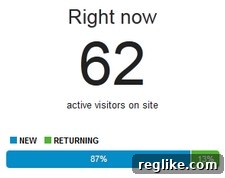
The latest iteration of Google’s innovation in this space is its real-time analytics feature. This functionality allows users to see what’s happening on their website *right now*, offering an immediate snapshot of current visitors, their locations, the pages they’re viewing, and how they arrived. This instant feedback loop is incredibly powerful, transforming how businesses can react to live events, campaign launches, or breaking news.
Diving Deep into Google Analytics Real-Time
Google Analytics Real-Time is designed to provide an instant overview of activity on your website. Its dashboard is intuitive, presenting key metrics in an easily digestible format. You can see the number of active users on your site at any given moment, which pages they are viewing, their geographical distribution, and the traffic sources that brought them there. This feature is particularly useful for:
- Monitoring Campaign Performance: Immediately verify if a new email campaign, social media post, or paid advertisement is driving traffic to your site.
- Tracking Live Events: See the immediate impact of a webinar, live broadcast, or product launch as visitors flock to relevant pages.
- Debugging and Testing: Confirm that your analytics tracking code is functioning correctly and that new content or site changes are being registered.
- Identifying Trending Content: Quickly spot which articles or products are gaining traction in real-time, allowing for swift promotional adjustments.
The strength of Google Analytics Real-Time lies in its seamless integration with the existing GA ecosystem. It’s free, readily available, and provides a decent aggregated view of live activity. However, its primary limitation, as I’ve observed, is its lack of individual visitor-by-visitor detail. While it shows you the collective behavior of your audience, it doesn’t offer the granular insights into specific user journeys that some dedicated tools specialize in.
The Specialized Contenders: Chartbeat and Woopra
While Google Analytics offers breadth, dedicated real-time analytics platforms like Chartbeat and Woopra excel in depth and specific functionality, catering to distinct user needs. They carved out their niches by focusing on areas where general analytics tools fell short.
Chartbeat: The Publisher’s Ally for Content Performance
Chartbeat has become an indispensable tool for publishers, editorial teams, and content creators. Its strength lies in providing real-time insights into content performance and audience engagement. Chartbeat goes beyond mere traffic numbers, focusing on metrics that truly matter for content, such as:
- Active Engaged Time: Measures how long users are actively interacting with your content, not just how long a page is open.
- Scroll Depth: Shows how far down a page users are scrolling, indicating actual consumption of content.
- Audience Loyalty: Identifies repeat visitors and loyal readers, crucial for building a sustainable audience.
- Headline Testing: Allows A/B testing of headlines in real-time to optimize click-through rates.
For newsrooms and media outlets, Chartbeat is vital for making immediate editorial decisions. It helps editors understand which stories are resonating, which headlines are most effective, and how to optimize content placement for maximum engagement. While Google Analytics Real-Time can tell you how many people are on a page, Chartbeat tells you *how engaged* they are with that content, making it a powerful tool for optimizing content strategy on the fly.
Woopra: Unveiling Individual User Journeys and Personalized Experiences
Woopra takes a different approach, focusing intensely on individual visitor journeys and user segmentation. It’s my personal favorite for granular, person-centric real-time analytics. Woopra provides a live stream of individual user actions, allowing you to see:
- Visitor-by-Visitor View: Track individual users as they navigate your site, seeing every page view, click, and interaction in real-time.
- User Profiles: Build rich profiles for each visitor, compiling their history, demographics, and real-time activity into a single view.
- Custom Event Tracking: Easily track specific actions like form submissions, video plays, downloads, or custom button clicks.
- Segmentation: Create real-time segments of users based on their behavior or attributes, allowing for highly targeted actions.
Woopra’s strength lies in its ability to connect real-time behavior with historical data, providing a comprehensive understanding of each user’s lifecycle. This is invaluable for e-commerce sites, SaaS companies, and customer support teams who need to understand individual user friction points, offer personalized experiences, or intervene with live chat at critical moments. The ability to see where a specific user came from and what they’re doing *right now* is a level of detail that Google Analytics Real-Time currently doesn’t provide.
A Head-to-Head Comparison: Aggregated vs. Granular Insights
The core difference between Google Analytics Real-Time and specialized tools like Chartbeat and Woopra boils down to the level of detail and the primary use case.
- Granularity: Google Analytics Real-Time offers an aggregated, high-level overview of concurrent activity. It’s excellent for understanding general trends and immediate impacts. In contrast, Woopra offers a deep, individual-user view, allowing for meticulous tracking of single user journeys. Chartbeat, while focusing on content, provides granular data on engagement *per piece of content*.
- Actionability: GA Real-Time is good for confirming assumptions or catching major issues. Dedicated tools, however, are built for immediate, specific action. Chartbeat helps editors optimize content in seconds. Woopra allows sales or support teams to proactively engage with users exhibiting specific behaviors.
- Use Cases:
- Google Analytics Real-Time is sufficient for: Quick checks on campaign launches, monitoring traffic spikes during significant events, basic troubleshooting, and general awareness of live site activity.
- Chartbeat is essential for: News publishers, bloggers, and content-heavy websites needing to optimize editorial strategy, improve content engagement, and understand real-time audience interaction with articles.
- Woopra is crucial for: E-commerce stores, SaaS platforms, lead generation sites, and any business focused on understanding individual customer journeys, personalizing experiences, and providing proactive customer support.
- Cost vs. Value: Google Analytics Real-Time comes at no additional cost if you’re already using Google Analytics, making it highly accessible. Chartbeat and Woopra, being premium services, come with subscription fees. The decision often hinges on whether the deeper insights, enhanced actionability, and specific features justify the investment for your particular business needs. For many, the cost is a small price to pay for the significant ROI derived from optimized content or personalized user experiences.
The Future Landscape of Real-Time Analytics
The analytics landscape is dynamic, and Google’s foray into real-time tracking undoubtedly puts pressure on existing players. It’s reasonable to expect Google to continue enhancing its real-time capabilities, potentially adding more granular features over time. This ongoing evolution will challenge dedicated services to further innovate and differentiate themselves.
For dedicated solutions, the path forward involves deepening their specialization, integrating with more third-party tools (CRMs, marketing automation, live chat), and focusing on predictive analytics or AI-driven insights. They must continue to offer unique value propositions that go beyond what a free, generalized tool can provide, such as highly customized reports, specialized algorithms for specific industries, or more advanced data visualization techniques.
Furthermore, the increasing emphasis on data privacy and ethical data collection will shape the future of real-time analytics. Tools that can offer robust privacy features while still delivering valuable insights will gain a significant advantage. Businesses will increasingly seek platforms that not only show them what’s happening but also help them understand *why* it’s happening, and what they should do next, all within a privacy-compliant framework.
Conclusion: A Complement, Not a Complete Replacement
In summary, Google Analytics Real-Time is a powerful and welcome addition to the digital marketer’s toolkit. It provides an immediate, accessible snapshot of live activity, proving invaluable for quick checks and immediate campaign performance monitoring. Its impact on the broader analytics industry is undeniable, forcing both users and providers to reconsider the value of instant data.
However, for businesses with specific, in-depth needs – be it optimizing content engagement for publishers (Chartbeat) or meticulously tracking individual user journeys for personalized experiences and proactive support (Woopra) – dedicated real-time analytics services remain indispensable. These platforms offer a level of detail, actionability, and specialized insights that Google Analytics, in its current form, does not fully replicate.
Ultimately, the “best” real-time analytics tool isn’t a one-size-fits-all answer. It depends entirely on your specific objectives, budget, and the depth of insight you require to drive your business forward. Google Analytics Real-Time serves as an excellent starting point and a valuable complement, but for truly granular, actionable, and specialized real-time intelligence, the dedicated services continue to hold their ground, proving that sometimes, free isn’t always enough.