
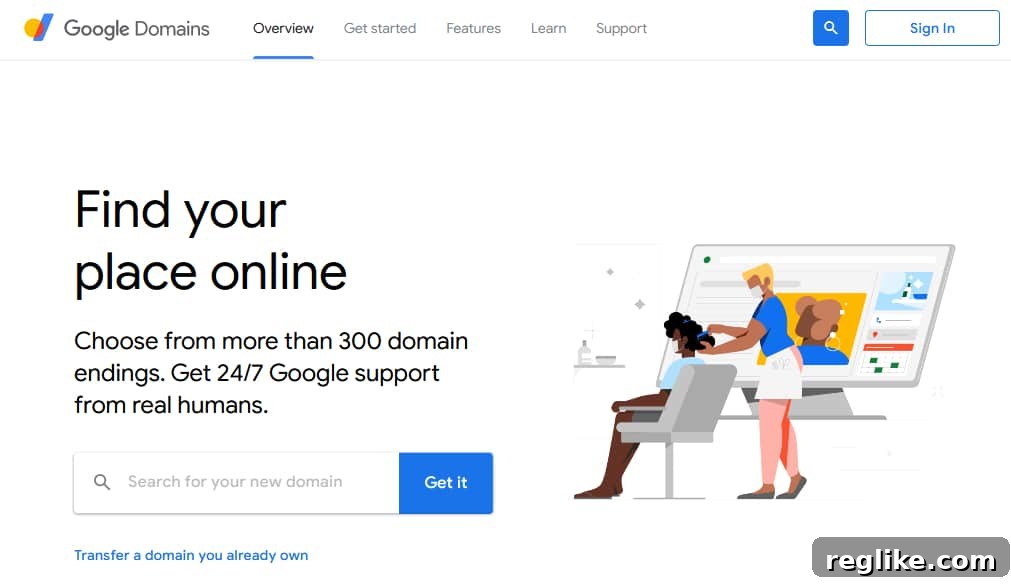
Squarespace Acquires Google Domains: A Landmark Shift in Web Services
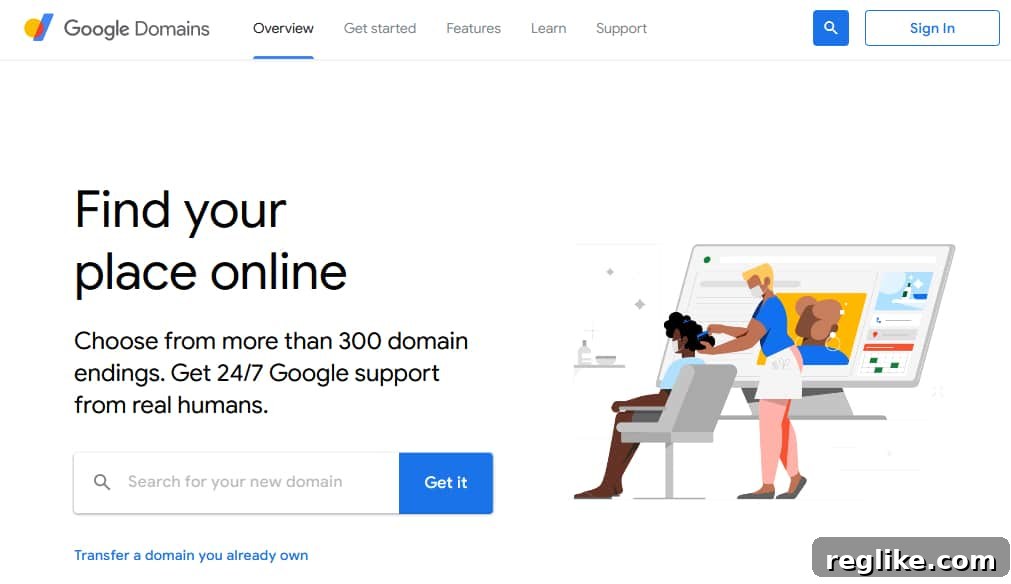
In a move that has sent ripples across the web services industry, website building and hosting platform Squarespace (NYSE: SQSP) today announced its definitive agreement to acquire Google Domains, Google’s popular domain name registration business. The transaction, valued at a substantial $180 million, is a strategic play expected to reshape the competitive landscape for domain registrars and integrated web solutions. JPMorgan Chase Bank is facilitating a portion of the purchase through financing, underscoring the financial gravity and market confidence in this high-profile acquisition.
The deal signifies a major win for Squarespace, granting them access to a vast customer base and an established infrastructure previously managed by one of the world’s largest tech companies. Conversely, it marks Google’s decision to divest from a segment it once championed, citing a renewed focus on its core offerings. This article delves into the intricacies of this acquisition, exploring its historical context, strategic implications for Squarespace, Google’s motivations, and the broader impact on both customers and the competitive domain market.
For an in-depth analysis of this deal and its potential repercussions for Squarespace, GoDaddy, and other registrars, click here.
Google Domains: A Journey from Experiment to Industry Giant
Google Domains first made its debut in 2014, initially positioning itself as an “experiment” in the crowded domain registration space. At the time, Google’s entry was met with both curiosity and apprehension from established players. Many wondered if the tech behemoth would leverage its unparalleled reach to dominate the market. Over the years, Google Domains quietly yet steadily grew its footprint, distinguished by its straightforward pricing, transparent policies, and seamless integration with other Google services like Workspace and Google Sites.
What began as an experimental venture blossomed into one of the largest domain registrars globally, accumulating approximately 10 million domains under management. This impressive growth was fueled by Google’s reputation for reliability, security, and a user-friendly interface that appealed to small businesses, entrepreneurs, and individuals seeking a hassle-free domain registration experience. More than half of these registered domains are .com, a testament to its widespread adoption. Remarkably, Google Domains had ascended to become the fifth-largest domain name registrar specifically for .com domains, a significant achievement considering its relatively late entry into a mature market dominated by long-standing players.
Despite its success and substantial market share, Google’s decision to divest from this thriving business unit has come as a surprise to many industry observers. The company stated its rationale succinctly: “In keeping with our efforts to sharpen our focus.” This statement suggests a strategic recalibration within Google, prioritizing core revenue streams and future-growth areas that align more directly with its overarching mission and profitability targets. While Google Domains was undoubtedly successful, it likely did not fit into Google’s long-term vision for its core product ecosystem, which increasingly leans towards AI, cloud computing, and advertising technologies.
Squarespace’s Strategic Masterstroke: Expanding its Web Ecosystem
For Squarespace, the acquisition of Google Domains represents a colossal win and a pivotal moment in its growth trajectory. The company, already a prominent player in the website building and hosting sector, views Google Domains’ extensive customer base as an invaluable asset. Squarespace’s primary business model revolves around providing integrated tools for creating and managing online presences, including website builders, e-commerce solutions, and, notably, its own domain registration services. This acquisition perfectly aligns with Squarespace’s strategy to become a comprehensive, one-stop shop for individuals and businesses looking to establish and grow their online identities.
The synergy between Squarespace and Google Domains is palpable. Squarespace’s explicit hope is to convert a significant portion of these new domain customers into users of its site building and other premium tools. By controlling the domain registration process for millions of new users, Squarespace can more effectively guide them towards its suite of integrated services, enhancing customer lifetime value and reducing churn. During a recent conference call, Squarespace CEO Anthony Casalena highlighted that the company already manages millions of domains, with ICANN reports indicating roughly 850,000 are .com domains, some of which are sold through resellers. The integration of Google Domains will exponentially expand this portfolio, cementing Squarespace’s position as a dominant force in the integrated web services market.
This move is not just about acquiring customers; it’s about consolidating market share and enhancing Squarespace’s brand as a holistic web solutions provider. In an increasingly competitive landscape where users seek simplicity and integrated experiences, having domain registration, website building, and hosting all under one roof offers a significant competitive advantage. It streamlines the customer journey, reduces friction, and allows Squarespace to offer compelling bundles that are hard for competitors to match.
What This Means for Google Domains Customers: Transition and Continuity
A crucial aspect of any major acquisition is the impact on existing customers. Squarespace has made clear commitments to ensure a smooth transition for the approximately 10 million domains currently managed by Google Domains. For starters, Squarespace has pledged to honor current Google Domains renewal prices for existing customers for a minimum of 12 months. This assurance provides stability and predictability, alleviating immediate concerns about potential price hikes post-acquisition.
During a transitional period, customers will also continue to operate on Google’s existing registrar platform. This phased migration approach aims to minimize disruption and allow for a seamless transfer of services and data. Furthermore, Squarespace is set to become the exclusive domain name provider for any new customer purchasing a domain alongside their Workspace subscription directly from Google. This exclusive partnership will be in effect for a minimum of three years, reinforcing the strategic alliance between the two companies and ensuring a consistent flow of new domain customers to Squarespace through Google’s powerful ecosystem.
Existing Google Domains customers can expect to receive detailed communication regarding the migration process, account management, and any new features or services offered by Squarespace. The commitment to price stability and a gradual transition underscores Squarespace’s understanding that maintaining customer trust and minimizing inconvenience are paramount to the long-term success of this acquisition.
Industry Ripple Effects: Consolidation and Competition
The acquisition of Google Domains by Squarespace is poised to trigger significant ripple effects across the domain registration and web hosting industry. For competitors like GoDaddy, Namecheap, and other major registrars, this deal represents both a challenge and a potential opportunity. The departure of Google as a direct competitor removes a formidable, albeit sometimes unpredictable, force from the market. However, the consolidation of 10 million domains under Squarespace’s banner creates an even larger, more integrated competitor.
This move could accelerate the trend of consolidation within the web services sector. Companies are increasingly seeking to offer a full suite of services – domains, hosting, website builders, email, and marketing tools – to capture and retain customers within their own ecosystems. Smaller, niche registrars might find it harder to compete against the integrated offerings of giants like Squarespace, GoDaddy, and others who can leverage economies of scale and cross-sell multiple services.
For innovation, the impact is two-fold. On one hand, increased consolidation could reduce the number of independent innovators. On the other, the intensified competition among the remaining large players could spur new feature development, better pricing strategies, and improved user experiences as they vie for market share. Ultimately, customers may benefit from more streamlined, feature-rich solutions, but they might also face fewer choices in the long run.
Financial Framework and Future Outlook
The $180 million purchase price highlights the significant value both companies place on this transaction. For Google, it’s a strategic divestment that frees up resources and allows for a sharper focus on its core areas, while monetizing a successful, albeit non-core, asset. For Squarespace, it’s a substantial investment aimed at accelerating growth, expanding its customer base, and solidifying its market position. The financing provided by JPMorgan Chase Bank indicates confidence from financial institutions in Squarespace’s ability to successfully integrate Google Domains and realize its strategic objectives.
The deal is anticipated to close in the third quarter of this year, following customary regulatory approvals. Once finalized, Squarespace will embark on the complex but rewarding task of integrating Google Domains into its existing infrastructure and converting its new customer base. This integration will involve technical challenges, marketing efforts, and customer service initiatives designed to transition users smoothly and encourage adoption of Squarespace’s broader suite of services.
Looking ahead, this acquisition positions Squarespace as an even more formidable player in the global web services market. Its ability to offer a seamless, all-in-one platform from domain registration to website building, e-commerce, and beyond will be a powerful differentiator. The future of web presence management appears to be moving towards integrated solutions, and with the acquisition of Google Domains, Squarespace is clearly staking its claim at the forefront of this evolution.