
Exploring the Landscape of Blockchain-Based Domain Names: A Deep Dive into Web3 Identity and Naming Systems
In the burgeoning world of Web3, the concept of digital identity is being redefined. At its core lies a fascinating and often debated innovation: blockchain-based domain names. These decentralized naming systems promise to offer users greater control over their online presence, simplify cryptocurrency transactions, and provide censorship-resistant digital identities. However, the path to widespread adoption is fraught with technical complexities, regulatory challenges, and a lingering question: do they truly offer a superior alternative to the traditional Domain Name System (DNS)?
The marketplace for these alternative naming solutions continues to grow, with new entrants regularly vying for attention. The latest player to throw its hat into this dynamic ring is Quik, a platform aiming to carve out its niche by offering a distinct set of blockchain-based domain extensions. Their launch prompts a critical examination of the utility and future of such decentralized naming services.
Quik’s Vision: Expanding the Alt-Root Landscape
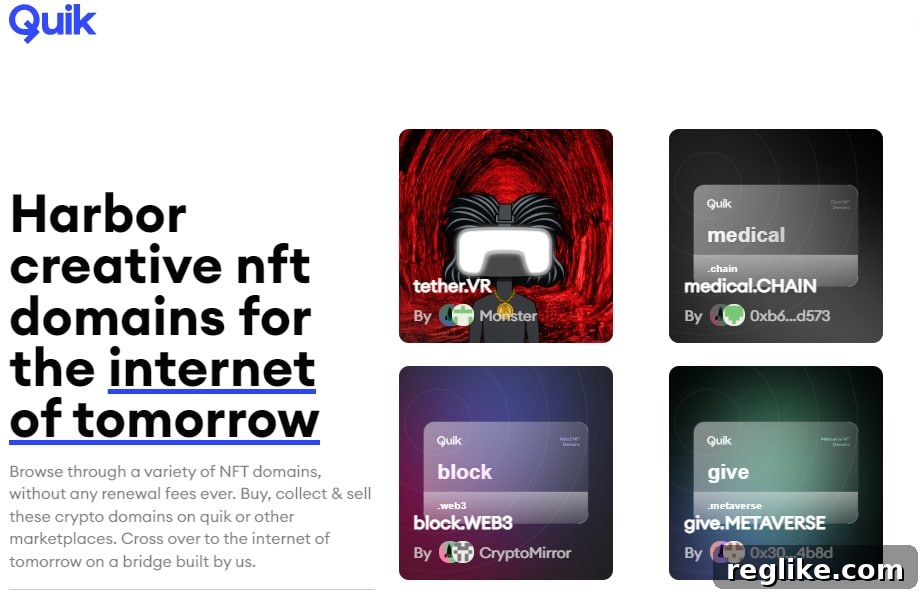
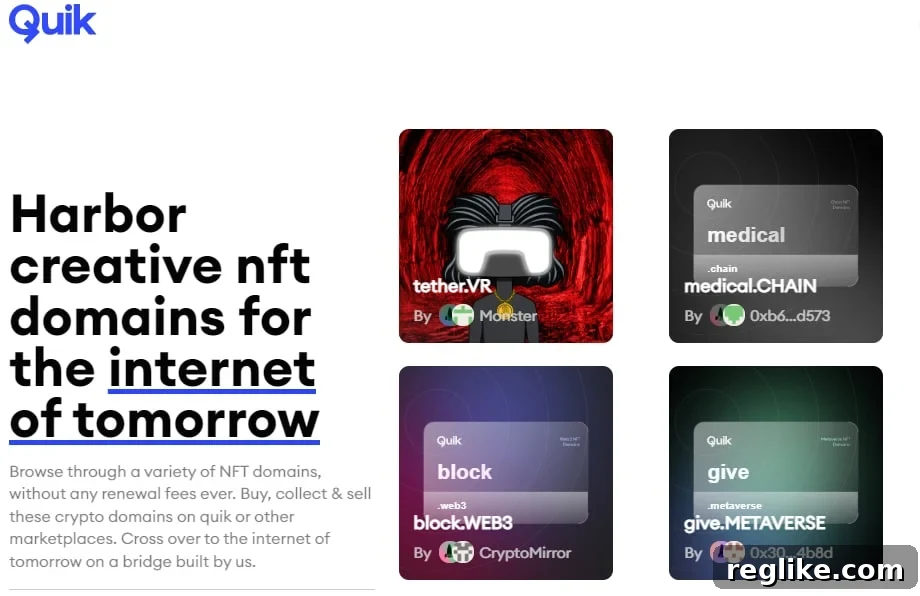
Quik is introducing ten new alt-root domain name extensions, each designed to resonate with specific segments of the Web3 and crypto communities. These extensions include highly relevant terms like .metaverse, .vr, .chain, .address, .i, .bored, .dog, .shib, .btc, and .web3. The choice of these extensions clearly targets growing interest in virtual worlds, decentralized finance, and popular meme coin communities, suggesting a strategy to appeal to specific, engaged user bases rather than a general internet audience.
The company’s model bears a strong resemblance to established players like Unstoppable Domains, which pioneered the concept of blockchain-based domains with extensions such as .crypto, .bitcoin, and .x. Both Quik and Unstoppable Domains operate outside the purview of the Internet Corporation for Assigned Names and Numbers (ICANN), which oversees the traditional DNS. This “alt-root” approach is fundamental to their decentralized premise, yet it also presents unique challenges for universal resolution and interoperability.
While Quik and Unstoppable’s current domain offerings do not directly overlap, the nature of these unregulated systems means there is nothing inherently preventing either company, or any future entrant, from offering identical top-level domains. This potential for fragmentation and naming conflicts represents a significant hurdle for user experience and the broader adoption of decentralized naming systems.
Understanding the Value Proposition: A Critical Examination
Despite the excitement surrounding new Web3 projects, it’s crucial to scrutinize the practical utility these blockchain domains offer. After a thorough review of Quik’s whitepaper, a fundamental question arises: what compelling reason would motivate an average user to register these domains? The whitepaper itself introduces a significant caveat:
These NFT domains are not part of ICANN and traditional DNS and shall never be compared to a traditional domain name.
This statement creates a paradox. If these are not to be compared to traditional domains, then why are they called “domains” at all? Furthermore, why do proponents often suggest their use for purposes typically associated with traditional domains, such as for websites or digital identities that resolve globally? The distinction between a “traditional domain name” and an “NFT domain” is critical and often blurred in promotional materials, leading to potential user confusion about their capabilities and limitations.
A major practical drawback for Quik domains, as well as many other blockchain naming systems, lies in their resolution mechanism. For a Quik domain to resolve correctly, whether to display content or connect to a cryptocurrency wallet, users would need to download a specific browser extension or utilize a custom browser that supports the underlying blockchain technology. Currently, such universal support is lacking, meaning the technology is ahead of its practical implementation for the mainstream user. This dependence on nascent infrastructure creates significant friction, hindering ease of use and widespread adoption.
Adding to the complexities, Quik’s whitepaper explicitly states that individuals in the United States are currently unable to purchase these domains. This geographic restriction raises questions about the global reach and decentralization claims often associated with blockchain technology, and it might stem from regulatory uncertainties surrounding digital assets and unregistered securities in various jurisdictions.
The Broader Landscape of Decentralized Naming Systems
Quik is not alone in its endeavor. The blockchain domain space is populated by several other prominent players, each with its own approach and ecosystem. Beyond Quik and Unstoppable Domains, the most notable systems include the Ethereum Name Service (ENS) and Handshake. While each offers unique features, they collectively face significant challenges that impede mass adoption.
- Unstoppable Domains: Arguably the most recognized in the alt-root space, Unstoppable Domains offers extensions like .crypto and .wallet. Their model emphasizes “one-time registration” with no renewal fees, making them attractive to users seeking permanent digital identities. They aim to simplify crypto payments and provide censorship-resistant websites hosted on decentralized storage. However, like Quik, their resolution relies on specific browser extensions or integrated browsers, and they remain outside the ICANN framework.
- Ethereum Name Service (ENS): As the primary naming service on the Ethereum blockchain, ENS allows users to register .eth names, which can link to cryptocurrency wallets, decentralized websites, and other on-chain data. ENS is deeply integrated into the Ethereum ecosystem and widely supported by dApps and wallets. Its decentralized governance model, through the ENS DAO, provides a robust framework for its future development. While very successful within its niche, ENS is tied to the Ethereum network, and its names require annual renewal fees, unlike Unstoppable Domains.
- Handshake: Handshake takes a fundamentally different approach. Instead of merely offering alternative top-level domains (TLDs), Handshake aims to create a completely decentralized root zone for the internet. It allows anyone to bid for and own TLDs, thereby decentralizing the very infrastructure of domain naming. This ambitious vision aims to bypass ICANN entirely, offering true censorship resistance at the root level. However, its technical complexity and the need for significant infrastructure changes make universal adoption a long-term, arduous goal.
While these systems promise digital ownership and censorship resistance, they currently suffer from a collective set of drawbacks. They generally lack the universal resolvability and seamless integration that traditional DNS offers. For an average internet user, the process of resolving a .metaverse or .crypto domain is far from straightforward compared to accessing a .com or .org address. This fragmentation and reliance on specific tools diminish their practical utility for mainstream purposes.
The Driving Force: Speculation or Utility?
A significant portion of the current interest in blockchain domains, including new offerings like Quik, appears to be driven by speculative investment rather than immediate practical utility. Many individuals register these NFT domains with the primary expectation that they will appreciate in value, allowing them to be resold for a profit to a subsequent buyer. This “greater fool” theory, where an asset’s value is predicated on the belief that someone else will pay even more for it, is a familiar pattern in nascent and highly speculative markets, particularly within the broader NFT and crypto spaces.
While the vision of a decentralized internet and self-sovereign digital identities is compelling, the current reality suggests that the tangible benefits offered by these “non-domain domains” are often outweighed by their limitations. Beyond simplifying lengthy crypto wallet addresses—a definite convenience—their additional upside for the average user remains limited. For them to truly compete with or complement traditional domains, blockchain naming systems must overcome significant technical hurdles, achieve universal browser and application support, and provide clear, undeniable advantages that transcend mere speculative value.
The journey towards a truly decentralized naming system is ongoing. While projects like Quik, Unstoppable Domains, ENS, and Handshake represent innovative steps forward, their ultimate success hinges on their ability to deliver genuine utility, seamless user experiences, and widespread adoption beyond the current crypto-native audience. Without these critical elements, the promise of Web3 identity through blockchain domains risks remaining an intriguing concept rather than a universally utilized internet standard.