
The Critical Role of WHOIS in Unmasking Sophisticated Online Scams: A Case Study in Digital Due Diligence
In an increasingly digital world, the line between legitimate opportunities and elaborate scams can often appear blurred. Professionals from all walks of life, particularly freelancers and those in creative fields, are frequently targeted by highly sophisticated online fraudsters. A recent, particularly cunning scheme involving an imposter of Wendi Deng Murdoch serves as a stark reminder of the paramount importance of digital due diligence, specifically the often-overlooked step of conducting a thorough WHOIS lookup. This incident highlights how a simple check of a domain name’s registration date could have saved victims considerable financial loss, wasted time, and emotional distress.
The core of this deception lay in the fraudster’s ability to create a convincing façade, leveraging the perceived credibility of a well-known public figure. Photographers Henry Wu and Carley Rudd, among others, were lured into an intricate trap that involved promises of a high-profile photography gig in Indonesia. The scam was meticulously crafted, demonstrating a level of research and planning far beyond the typical phishing email. It began with seemingly professional communications, eventually leading the photographers to make significant financial commitments, including purchasing flight tickets to Indonesia and securing expensive photography permits for the supposed project.
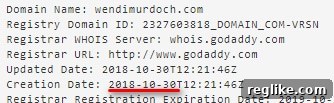
The Unseen Warning: Domain Registration Dates and WHOIS
What made this particular scam stand out was its reliance on an overlooked, yet glaring, red flag: the registration date of the domain used for communication. The scam emails originated from “wendimurdoch.com,” a domain that, on the surface, appeared credible enough to an unsuspecting recipient. However, as Wu later recounted to CNN, a simple DNS (Domain Name System) search, which would include WHOIS information, revealed a crucial detail: the domain had been registered only a couple of weeks prior to the scam’s execution. This detail, tragically overlooked in the initial excitement and professional zeal, was the linchpin that could have unraveled the entire fraudulent scheme before any harm was done.
The WHOIS database is a publicly accessible directory that contains information about every registered domain name. When a domain is registered, details such as the registrant’s name, organization, contact information, the domain’s creation date, expiration date, and the registrar are typically recorded. While privacy services can sometimes mask some of the registrant’s personal details, the creation date of a domain is almost always publicly visible. For an entity purportedly representing a well-established individual like Wendi Deng Murdoch, communicating from a brand-new domain should immediately trigger suspicion. Established public figures and large organizations typically use domains that have been registered for many years, often reflecting their long-standing presence online. A recently created domain, especially one mimicking a well-known name, is a classic hallmark of phishing attempts, impersonation scams, and other malicious activities.
Mastering the WHOIS Lookup: Your First Line of Defense
Performing a WHOIS lookup is a straightforward process and should be a standard part of any professional’s due diligence, especially when engaging with new clients or suspicious solicitations. Numerous free online WHOIS services are readily available. By simply entering the domain name (e.g., wendimurdoch.com) into a WHOIS search tool, anyone can quickly retrieve vital registration data. This includes:
- Creation Date: The date the domain was first registered. As seen in the Wendi Deng Murdoch scam, a very recent creation date for an ostensibly established entity is a major red flag.
- Registrar: The company through which the domain was registered.
- Registrant Information: Details about the individual or organization that owns the domain. While often masked by privacy services, sometimes this information can reveal inconsistencies or generic details that raise concerns.
- Expiration Date: The date the domain registration is set to expire. Legitimate businesses typically register domains for multiple years.
- Name Servers: The servers responsible for directing traffic to the domain.
Understanding and interpreting this data can provide critical insights into the legitimacy of the sender. It empowers individuals to verify claims and protect themselves from financial and reputational damage. The time invested in a quick WHOIS check pales in comparison to the time and money lost to a well-executed scam.
Beyond Dates: Comprehensive WHOIS Analysis and Other Red Flags
While the domain registration date is a primary indicator, a thorough WHOIS analysis can reveal other subtle but significant red flags. For instance, if a supposed business entity uses a “private” or “proxy” registration service to hide their identity, it might warrant further scrutiny. While some legitimate businesses use these services for privacy, it’s less common for a high-profile individual or their representatives to entirely obscure their digital footprint, especially when initiating professional contact. Similarly, if the registrant’s contact email address is a generic free email service (like Gmail or Yahoo) rather than one associated with the official domain, it should raise suspicions. Furthermore, inconsistencies between the registrant’s listed country or organization and the alleged location or nature of the business can also be telling.
Beyond WHOIS data, numerous other indicators can signal a scam. These include:
- Unusual Payment Requests: Any request for upfront payments for “permits,” “fees,” or “equipment” from the freelancer, especially via unconventional methods like wire transfers or cryptocurrency, is highly suspicious. Legitimate clients typically pay freelancers, not the other way around.
- Grammar and Spelling Errors: While not always present in sophisticated scams, frequent errors can indicate a lack of professionalism or foreign origin, which might not align with the persona being impersonated.
- Sense of Urgency: Scammers often create a false sense of urgency to pressure victims into making hasty decisions without proper investigation.
- Too Good to Be True Offers: Exorbitantly high pay or incredibly prestigious opportunities that appear out of reach should be viewed with skepticism.
- Lack of Verifiable Information: Inability to find corroborating information about the client or project through independent online searches (e.g., official websites, news articles, LinkedIn profiles).
- Generic Communication: Despite appearing personalized, the communication might still use generic phrases or templates that could apply to many targets.
By combining a detailed WHOIS lookup with an awareness of these common scam tactics, professionals can significantly enhance their defense against online fraud.
The Evolving Landscape of Online Impersonation and Scams
The incident with the Wendi Deng Murdoch imposter is not an isolated event but rather a symptom of a larger, evolving trend in cybercrime. Scammers are continually refining their methods, moving beyond simple spam emails to highly targeted and personalized attacks. They leverage publicly available information, social media profiles, and professional networking sites to craft compelling narratives that resonate with their targets’ professional aspirations. This type of “social engineering” exploits human psychology, trust, and the desire for career advancement, making it incredibly effective. The goal is often not just financial gain but also identity theft or data harvesting, which can lead to further malicious activities.
The anonymity and global reach of the internet provide fertile ground for these operations. While law enforcement agencies work to combat cybercrime, the sheer volume and sophistication of these scams mean that individual vigilance remains the most potent defense. Every email, every job offer, and every business proposal received online should be approached with a healthy dose of skepticism, especially when it involves significant financial or time commitments. The digital landscape demands a proactive approach to security, where users are educated about common threats and equipped with the tools and knowledge to identify and avoid them.
Safeguarding Your Professional Future: Essential Due Diligence Tips
For photographers, freelancers, and professionals across all industries, safeguarding one’s professional future against online scams requires a multi-layered approach to due diligence. The lessons learned from the Wendi Deng Murdoch imposter scam underscore several critical actions:
- Always Perform a WHOIS Lookup: Make it a habit. Before engaging significantly with a new client or opportunity, especially if the communication comes from an unfamiliar domain, check its registration date and other details. A newly registered domain for an established entity is a major red flag.
- Verify Identity Independently: Do not rely solely on the information provided in the scammer’s communication. Search for the individual or organization on official websites, LinkedIn, reputable news sources, and professional directories. Cross-reference contact details.
- Insist on Official Communication Channels: If an alleged representative of a well-known entity contacts you from a generic email address or a suspicious domain, politely request that they communicate from their verified official company email address (e.g., @companyname.com, not @wendimurdoch.com if the official is @news-corp.com).
- Scrutinize Payment Terms: Be extremely wary of any request for you to pay upfront for “expenses,” “permits,” “insurance,” or “equipment.” Legitimate clients pay their contractors; contractors do not pay clients. Also, be suspicious of payment methods that are difficult to trace, like wire transfers to personal accounts or cryptocurrency.
- Trust Your Instincts: If an offer feels “too good to be true,” or if any part of the communication or process feels off or rushed, pause and investigate further. Your gut feeling is often a valuable warning system.
- Consult with Peers: If you’re unsure about an offer, discuss it with trusted colleagues, mentors, or professional organizations. They might have encountered similar scams or can offer valuable advice.
- Be Mindful of Personal Information: Be cautious about sharing sensitive personal or financial information online, especially to unverified sources.
By integrating these practices into your professional routine, you can build a robust defense against the sophisticated tactics employed by online fraudsters and protect your valuable time, money, and reputation.
Conclusion: Vigilance as a Digital Imperative
The Wendi Deng Murdoch impersonation scam, as reported by CNN, serves as a powerful cautionary tale about the evolving sophistication of online fraud. It unequivocally demonstrates that even well-researched, seemingly legitimate propositions can hide malicious intent. The critical oversight of failing to check the domain’s registration date underscores the immense power of simple, yet often overlooked, digital tools like the WHOIS lookup. In an era where digital interactions form the backbone of professional life, continuous vigilance, critical thinking, and a commitment to thorough due diligence are no longer optional – they are an absolute imperative. Let this incident be a clear reminder for all professionals to exercise caution, investigate thoroughly, and empower themselves with the knowledge to navigate the complex digital landscape safely and securely.
A hat tip to Name Ninja for highlighting similar insights into domain scrutiny.