
In today’s interconnected world, the digital marketplace has transcended geographical boundaries, making online shopping an undeniable cornerstone of modern commerce. It seems every entrepreneur, from burgeoning startups to established enterprises, is establishing an online presence to sell products and services. And for good reason – the convenience, competitive pricing, and sheer accessibility of digital storefronts have irrevocably altered consumer behavior.
Recent statistics paint a compelling picture: the global e-commerce market continues its exponential growth, projected to reach over $8 trillion by 2027. Consumers are increasingly turning to the internet for their purchasing needs, with a significant majority believing they can find better deals and a wider selection online. This shift isn’t just about convenience; it’s about a fundamental change in how people discover, compare, and acquire goods and services, all from the comfort of their homes or on the go.
The allure of online shopping is multifaceted. It offers unparalleled simplicity, empowers consumers with easy price comparison tools, and removes the pressure often associated with brick-and-mortar sales environments. For businesses, this translates into an unprecedented opportunity to reach a global audience, operate with lower overheads, and scale rapidly. Consequently, website owners worldwide are eagerly building their own e-commerce shops, eager to tap into this lucrative market and reap the benefits it offers.
However, simply launching an online store is only the first step. For those just embarking on their e-commerce journey, a critical question arises: How do you establish a secure and efficient system to collect payments from your customers? Navigating the complexities of online transactions can be daunting, especially when considering the myriad of technical and security requirements. Understanding the essential elements needed to process payments securely and seamlessly is paramount for any online business aiming for long-term success and customer trust.
If you’re grappling with these vital considerations, you’ve come to the right place. This comprehensive guide will outline the fundamental features and practices required to accept payments on your website, enabling you to confidently generate revenue from the vast and growing pool of online shoppers who prefer the digital checkout experience. By implementing these key components, you won’t just facilitate transactions; you’ll build a trustworthy and reliable online store that encourages repeat business and fosters customer loyalty.
Essential Features for Accepting Payments on Your Website
1. Robust E-commerce Platform
At the heart of any successful online store lies a robust e-commerce platform. This indispensable piece of software serves as the foundational building block for your entire digital operation, enabling you to manage your online shop, track sales, streamline inventory, and oversee all associated business operations. Crucially, a well-chosen e-commerce platform often comes equipped with integrated tools and functionalities necessary to begin accepting payments directly from your customers, making it a non-negotiable component for online transactions.
Selecting the right platform is a strategic decision that impacts every aspect of your business. Popular e-commerce platforms cater to a wide spectrum of needs and business sizes. Some leading examples include:
- Shopify: Known for its user-friendliness and comprehensive suite of features, ideal for businesses of all sizes seeking an all-in-one solution with excellent support.
- BigCommerce: Offers powerful scalability and advanced features, making it a strong contender for growing businesses and enterprises.
- Magento: An open-source powerhouse providing unparalleled flexibility and customization, often favored by larger businesses with specific development needs.
- Squarespace: Celebrated for its stunning design templates and ease of use, perfect for creatives and small businesses prioritizing aesthetics.
- WooCommerce: A popular open-source plugin for WordPress, offering immense flexibility for those already familiar with the WordPress ecosystem.
When choosing an e-commerce platform, conduct thorough due diligence. Consider critical factors such as your shop’s projected size and growth, the level of technical support offered, pricing structures, mobile-friendliness, built-in security features, and overall scalability. Many top-tier platforms inherently include or facilitate the implementation of other essential “must-haves” discussed in this guide, simplifying your setup process significantly.
2. PCI DSS Compliance
When handling sensitive customer financial information, adherence to the Payment Card Industry Data Security Standard (PCI DSS) is not just recommended; it’s a mandatory requirement. The PCI Security Standards Council is the governing body responsible for the continuous development, enhancement, and enforcement of these global security standards. Their primary objective is to ensure that businesses securely process, store, and transmit cardholder data, thereby protecting customer credit card information from fraud and breaches during checkout.
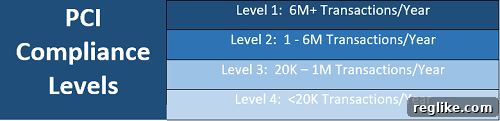
Regardless of the size or transaction volume of your e-commerce shop, it is your legal and ethical responsibility to ensure PCI compliance. The specific level of compliance you need to achieve is determined by the annual volume of credit card transactions processed through your store. Generally, there are four levels, with Level 1 applying to merchants processing over 6 million transactions annually and Level 4 for those processing fewer than 20,000. As transaction volumes increase, so do the stringent requirements for compliance, often involving more rigorous security assessments and audits.
Failing to comply with PCI DSS can lead to severe consequences, including hefty fines, damage to your brand reputation, loss of banking relationships, and legal liabilities in the event of a data breach. Fortunately, many leading e-commerce platforms and payment processors are already PCI compliant, which significantly simplifies the process for merchants. However, understanding your obligations and regularly reviewing your security practices remains crucial.
3. Reliable Payment Processor and Gateway
To finalize online transactions, your website needs both a payment gateway and a payment processor, two distinct yet interconnected components. A payment gateway acts as the secure conduit that encrypts and transmits customer credit card information from your website to the payment processor. For smaller e-commerce shops or those just starting, integrating a simple payment gateway solution like PayPal, Stripe, Google Pay, or Authorize.net may be sufficient. These gateways often come with built-in processing capabilities, streamlining the setup.
However, for larger retail sites that process thousands of transactions and significant revenue daily, investing in a dedicated, robust payment processor is highly advisable. A payment processor takes the encrypted data from the gateway and facilitates the actual transfer of funds between the customer’s bank, your merchant account, and the acquiring bank. This comprehensive approach ensures top-notch security, robust fraud prevention measures, and minimizes the risk of chargebacks and revenue loss. Furthermore, a scalable payment processor ensures your website can effortlessly handle fluctuating traffic and transaction volumes, maintaining consistent performance even during peak sales periods.
While we’ve touched upon popular options, here’s a look at some of the best payment processors and gateways, each offering unique advantages:
- Selz: Offers a complete e-commerce solution with integrated payment processing, suitable for digital and physical products.
- Helcim: Known for transparent pricing and comprehensive features tailored for small to medium-sized businesses, including advanced fraud protection.
- PayJunction: Provides secure, cloud-based payment solutions with a focus on ease of use and environmental sustainability through paperless transactions.
- 2Checkout (now Verifone): A global payment platform specializing in international sales, offering localized payment methods and advanced risk management.
Choosing the right payment solution requires evaluating transaction fees, supported currencies, fraud prevention tools, integration capabilities with your e-commerce platform, and customer support. A well-integrated processor will not only secure your transactions but also provide valuable analytics to help you understand your sales data better.
4. SSL Certificate (Secure Sockets Layer)
An SSL (Secure Sockets Layer) certificate is an absolute necessity for any e-commerce website. Its primary purpose is to encrypt the data transmitted between your customers’ web browsers and your web server, protecting their sensitive personal and financial information from interception by malicious third parties. In essence, an SSL certificate guarantees that all data—including credit card numbers, login credentials, and personal addresses—passed through your website remains private and secure.
Without an SSL certificate, all information processed on your website is sent in plain text, making it highly vulnerable to cybercriminals looking to steal data. This not only puts your customers at risk but also severely damages your business’s reputation and can lead to significant legal and financial repercussions. An easy way to identify if a website is SSL-secured is by looking at its URL: “https://” indicates a secure connection, often accompanied by a padlock icon in the browser’s address bar. Conversely, “http://” signifies an unsecured site, which browsers increasingly flag as “Not Secure,” deterring potential customers.
Beyond security, an SSL certificate also plays a crucial role in search engine optimization (SEO). Search engines like Google favor websites with HTTPS, often giving them a slight ranking boost. Acquiring an SSL certificate is generally straightforward. Many e-commerce platforms and website hosting providers include free SSL certificates as part of their packages. If your provider doesn’t offer one, you can easily obtain a free SSL certificate from reputable providers like Let’s Encrypt, which is widely used and trusted.
5. Secure and Flexible Login/Checkout Options
One of the most common points of friction during the online purchasing process is forced account registration. Have you ever attempted to buy something online, only to find that the sole way to finalize your purchase was to create a new account with the shop? For many, this is an immediate deterrent, leading to cart abandonment and lost sales.
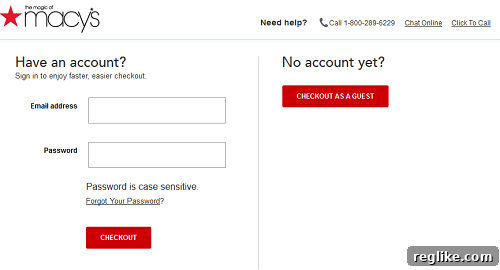
To maximize conversions and cater to a wider customer base, your e-commerce site must offer flexible and secure login and checkout options. Provide an account registration section for customers who prefer to have an account for easier future purchases, order tracking, and personalized experiences. However, critically, also include a prominent “Checkout as Guest” option. This allows customers to complete their purchase quickly without the commitment of creating an account, significantly reducing friction and increasing the likelihood of conversion.
Beyond flexibility, security in login options is paramount. Implement robust security measures for all account-related functions. This includes strong password requirements (a mix of uppercase, lowercase, numbers, and symbols), mechanisms for answering security questions for forgotten passwords, and automatic account locking after a specific number of failed login attempts to prevent brute-force attacks. Consider implementing multi-factor authentication (MFA) for an added layer of security, especially for high-value accounts. Ensuring that your login processes are both convenient and highly secure builds trust and protects your customers’ information.
6. Seamless and Transparent Checkout Process
The checkout process is the final hurdle between a browsing customer and a completed sale. To effectively collect payments, you must provide an intuitive, streamlined, and transparent pathway for customers to finalize their purchases. Any complexity, confusion, or unexpected delays can lead to high rates of cart abandonment, directly impacting your bottom line.
Clearly Visible Checkout Buttons and Calls to Action
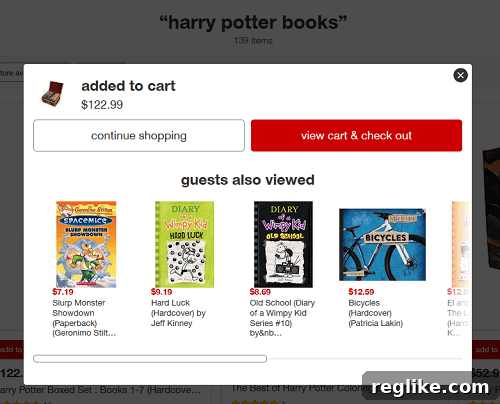
Make it unequivocally clear to customers where the checkout process begins. Utilize highly visible, distinctively colored checkout buttons with clear calls to action (e.g., “Proceed to Checkout,” “Buy Now,” “Secure Checkout”). These buttons should be prominently displayed in the shopping cart, product pages, and potentially even in a sticky header or footer. The less time a customer spends searching for how to proceed, the less likely they are to become frustrated and abandon their cart. With global cart abandonment rates hovering around 70%, optimizing this crucial step is essential to prevent lost revenue.
Visible Progress Indicators and Multi-Step Guidance

Customers tend to get anxious during lengthy checkout processes, especially if they span multiple pages with no clear indication of progress. This uncertainty significantly contributes to cart abandonment. Implement visible progress indicators, such as numbered steps or a progress bar, to guide customers through each stage of the checkout. Retail giants like Amazon excel at this, showing users exactly which part of the process they are in (e.g., Shipping, Payment, Review Order). This transparency reduces anxiety, allows customers to easily navigate back if necessary to make changes, and ultimately instills confidence in the process.
Furthermore, minimize the number of steps required and consider a single-page checkout where appropriate. Ensure all necessary information (shipping costs, taxes, payment options) is clearly displayed upfront, avoiding any surprises. Implement auto-fill features for returning customers, provide clear error messages if information is incorrect, and always offer an opportunity to review the order before final submission. Offering multiple payment methods (credit cards, digital wallets like Apple Pay/Google Pay, PayPal) also caters to diverse customer preferences and enhances the smoothness of the checkout experience.
7. Clear and Accessible Refund and Return Policy
While not a direct requirement for the technical act of accepting a payment, a clearly defined, comprehensive, and easily accessible refund and return policy is an absolutely critical component for building customer trust and facilitating confident purchasing decisions. Online shopping inherently involves a degree of uncertainty; customers cannot physically inspect a product before buying it.
Therefore, they place immense trust in your company when they make a purchase. They need assurance that if, for whatever reason, they are not completely satisfied with their purchase – whether due to a defect, incorrect item, or simply a change of mind – they have a clear path to return or exchange the item. A well-articulated policy mitigates this inherent risk for the buyer, putting their mind at ease and removing a significant barrier to completing a transaction.
Your refund and return policy should be prominently displayed on your website, typically in the footer, on product pages, and linked during the checkout process. It should explicitly detail:
- The timeframe within which returns or exchanges are accepted.
- The conditions under which products can be returned (e.g., original packaging, unworn, unused).
- The step-by-step process for initiating a return.
- Information on who bears the cost of return shipping.
- How refunds are processed (e.g., original payment method, store credit) and the expected timeline.
- Contact information for customer support regarding returns.
By making your refund and return policy visible and understandable, you solidify customer trust, demonstrate transparency, and enhance the overall shopping experience. This confidence reduces cart abandonment rates and encourages customers to finalize their transactions, ultimately generating more revenue and fostering customer loyalty for your online shop’s sustained growth and success.
Final Thoughts on E-commerce Payment Essentials
Successfully accepting payments from your customers online involves much more than simply adding a “buy now” button. It requires a strategic integration of robust technological solutions, adherence to stringent security standards, and a deep understanding of user experience. From selecting the right e-commerce platform and implementing secure payment processors to ensuring PCI compliance and protecting data with SSL certificates, every essential element plays a vital role in building a trustworthy and efficient online store.
Furthermore, optimizing the customer journey through flexible login options and a seamless, transparent checkout process directly impacts conversion rates and customer satisfaction. The presence of a clear and accessible refund and return policy, while seemingly a post-purchase consideration, actually serves as a critical trust-builder that empowers customers to make confident purchasing decisions.
By meticulously addressing all these essential components, you not only facilitate secure transactions but also instill a profound sense of confidence in your brand. This holistic approach to online payments and customer experience will breed loyalty among your customer base, reduce churn, and provide your online shop with the strong foundation it needs to thrive, grow, and achieve lasting success in the competitive digital marketplace.