
Exploring Spain’s Digital Identity: A Vibrant Tapestry of Domains from .COM to .CAT and Beyond
As an avid observer of the digital world, my travels often extend beyond sightseeing to scrutinize the subtle nuances of local online presences. My recent vacation in Spain offered a particularly fascinating glimpse into how a nation embraces and integrates diverse domain extensions into its everyday fabric. While the ubiquitous .com often dominates the digital landscape in many countries, Spain presents a compelling case study where it shares the stage with a rich variety of top-level domains (TLDs), each telling a unique story about local culture, commerce, and identity.
From bustling city centers to serene coastal towns, the domain names displayed on signage, vehicles, and public advertising in Spain painted a vibrant picture. Beyond the familiar .com, I frequently encountered .es, the national country code, alongside the culturally significant .cat, the geographically specific .barcelona, and even generic TLDs like .info. This mosaic of domain choices not only reflects Spain’s multifaceted regional identities but also highlights a sophisticated understanding of online branding and targeted outreach. Let’s delve into some of the most striking examples I observed.
The Enduring Global Standard: .COM’s Continued Presence
Despite the strong presence of local and specialized TLDs, .com undeniably maintains its position as the most common domain extension seen across Spain. This global standard is often the default choice for businesses seeking broad international recognition, perceived trustworthiness, and maximum brand recall. Its universal appeal transcends geographical boundaries, making it a safe and strategic option for entities aiming for a wide audience, whether international tourists or global consumers.
Even major cultural institutions and prominent businesses in Spain frequently opt for .com, leveraging its established authority in the digital space. My observations in cities like Valencia confirmed this trend, where iconic landmarks and service providers alike utilize .com to ensure their online presence is easily accessible to anyone, anywhere. This dual approach—embracing both global and local TLDs—underscores a nuanced digital strategy common among progressive Spanish enterprises.
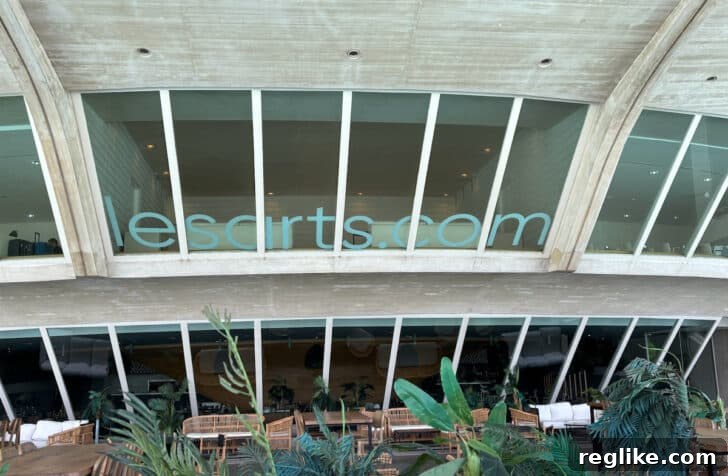
Here are a couple of .com domains I spotted at the breathtaking City of Arts and Sciences in Valencia, illustrating its widespread adoption:

Celebrating Catalan Identity: The Success Story of .CAT
Perhaps one of the most compelling examples of domain diversity in Spain is the .cat extension. Launched as a sponsored top-level domain (sTLD), .cat is specifically designed for the Catalan linguistic and cultural community. It serves as a powerful symbol of identity and pride, fostering a distinct online space for everything related to the Catalan language and culture.
What makes .cat particularly noteworthy is its remarkable success and widespread adoption. Unlike many other niche TLDs, .cat enjoys strong community backing and visible integration into daily life throughout Catalonia. From local businesses in coastal towns like Sitges to major civic services in Barcelona, the .cat domain is a common sight, signifying a commitment to regional identity and linguistic heritage.
Its prevalence underscores how a well-targeted sTLD can thrive by serving a specific, passionate community. Businesses and organizations choosing .cat not only communicate their connection to Catalan culture but also often enhance their local search engine optimization (SEO) for users within the region, creating a stronger digital bond with their target audience.
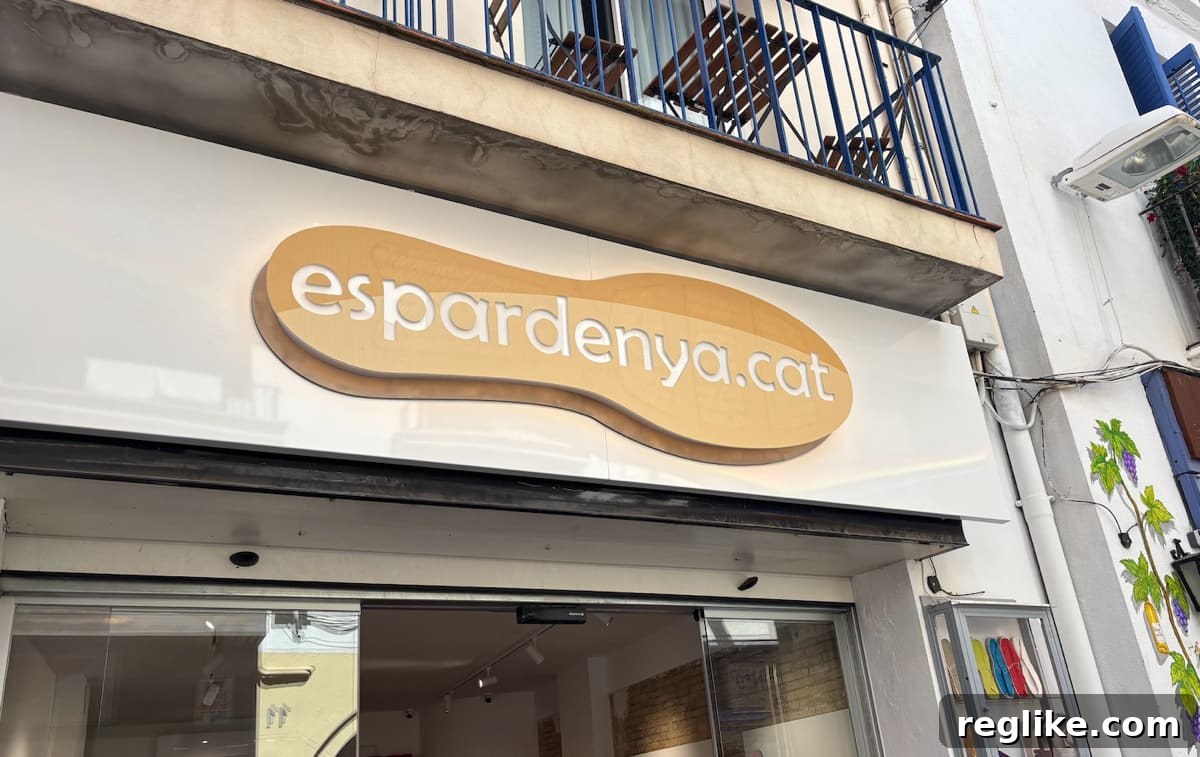
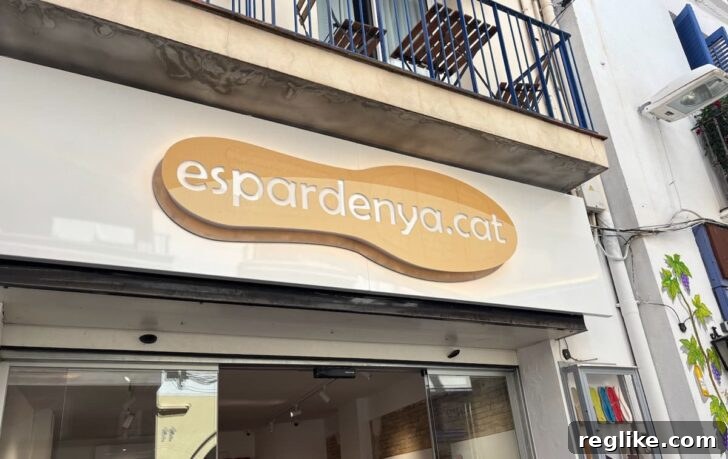
Here’s a .cat domain I observed prominently displayed on a shoe store in Sitges, showcasing its local business integration:
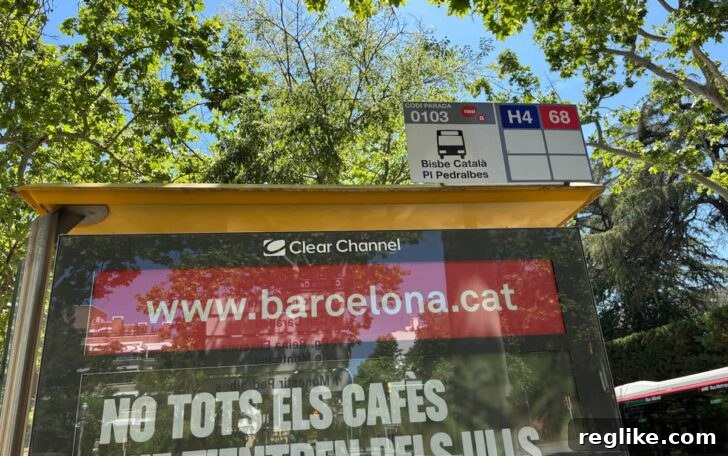
One of the most widely advertised .cat sites, serving as a beacon of civic information and services, is barcelona.cat:
Spain’s National Digital Footprint: The Versatility of .ES
Beyond regional identities, Spain also boasts its own national country code Top-Level Domain (ccTLD), .es. This extension is a popular and strategic choice for businesses and individuals looking to establish a strong online presence specifically within Spain. Using a .es domain immediately signals to users that the website is relevant to Spain, fostering trust and a sense of local connection.
For Spanish companies, a .es domain offers significant advantages in local SEO, helping them rank higher in search results for Spanish-speaking audiences. It’s an essential tool for targeting the domestic market, building national brand recognition, and complying with local regulations. However, merely having a .es domain isn’t enough; effective domain management is crucial for maximizing its potential.
Observing domain usage in the wild often reveals both best practices and areas for improvement. While the .es domain is highly effective, its implementation can vary. For instance, I encountered an example that, from a domain management perspective, offered an interesting lesson:
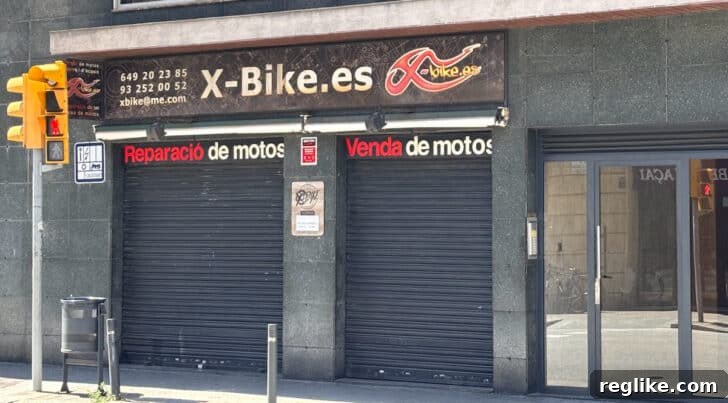
This particular instance, where a .es domain redirects to a social media page and displays a less-than-ideal email address format, underscores the importance of a comprehensive digital strategy. A dedicated website provides more control, better branding opportunities, and often a more professional image than relying solely on third-party platforms. It highlights that while choosing the right TLD is vital, how it’s managed and integrated into an overall online presence is equally critical for success.
In contrast, many Spanish businesses demonstrate impeccable domain usage. Here’s a more polished example of a .es domain in action, reflecting professionalism and effective branding:
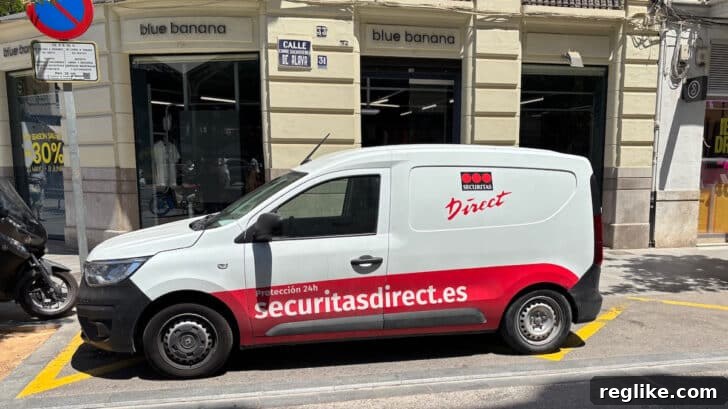
Hyper-Local Branding: The Emergence of GeoTLDs like .BARCELONA
Adding another layer to Spain’s diverse domain landscape are geographic Top-Level Domains (GeoTLDs), such as .barcelona. These relatively newer extensions allow cities and regions to create their own unique online identities, distinct from national or cultural domains. The .barcelona TLD, for instance, serves as a powerful branding tool for the city, enabling local businesses, tourist attractions, and municipal services to explicitly associate themselves with the vibrant Catalan capital.
While I didn’t manage to capture a photograph, I distinctly recall seeing .barcelona in use for a couple of prominent tourist attractions. This application highlights its potential to enhance city-specific marketing campaigns, provide clear digital signposts for visitors, and reinforce Barcelona’s global brand. For businesses operating exclusively within the city, a .barcelona domain can offer a competitive edge by clearly signaling their local relevance and commitment to the community. It complements .cat by focusing purely on the geographical entity, providing another specialized option for online presence.
Beyond the Mainstream: Exploring .INFO and Niche TLDs
The array of TLDs in use extends even further, encompassing various generic Top-Level Domains (gTLDs). One such example I encountered was .info. While not as prevalent as .com or .es, gTLDs like .info offer alternative options for domain registration, particularly when preferred names are unavailable under more popular extensions, or when a specific semantic meaning is desired.
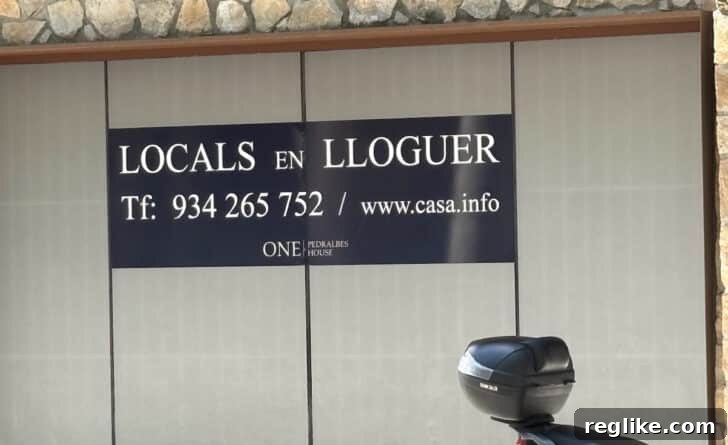
The .info TLD, as its name suggests, is often used for informational websites, public resources, or knowledge portals. Its presence in Spain, as seen with `casa.info`, indicates a willingness among some to explore a broader spectrum of domain options to suit specific purposes or branding needs. This demonstrates the growing maturity of the internet’s domain naming system, where an ever-expanding list of TLDs provides greater flexibility and choice for establishing an online identity.
I did a double-take when I saw this domain, proving that even niche TLDs can pop up in unexpected places:
The Significance of Domain Diversity in Spain’s Digital Future
The fascinating mix of domain extensions observed across Spain—from the global standard .com to the national .es, the culturally specific .cat, and the hyper-local .barcelona, alongside various gTLDs—paints a vivid picture of a digitally sophisticated nation. This diversity is not merely an arbitrary collection of choices; it represents a strategic approach to online presence that caters to a wide array of business objectives, cultural identities, and user needs.
For businesses, choosing the right domain extension can be a critical factor in defining their target audience, enhancing their local SEO, and strengthening their brand identity. For users, these diverse domains offer clear cues about the relevance and origin of online content. Furthermore, this vibrant domain ecosystem reflects Spain’s rich tapestry of regional cultures and languages, allowing digital identities to mirror real-world distinctions.
In conclusion, Spain’s digital landscape stands as a testament to the evolving nature of the internet. It demonstrates how a country can successfully integrate global trends with strong local identities, creating a dynamic and inclusive online environment. For anyone interested in the practical application of domain names and their cultural significance, Spain offers an invaluable real-world laboratory.