
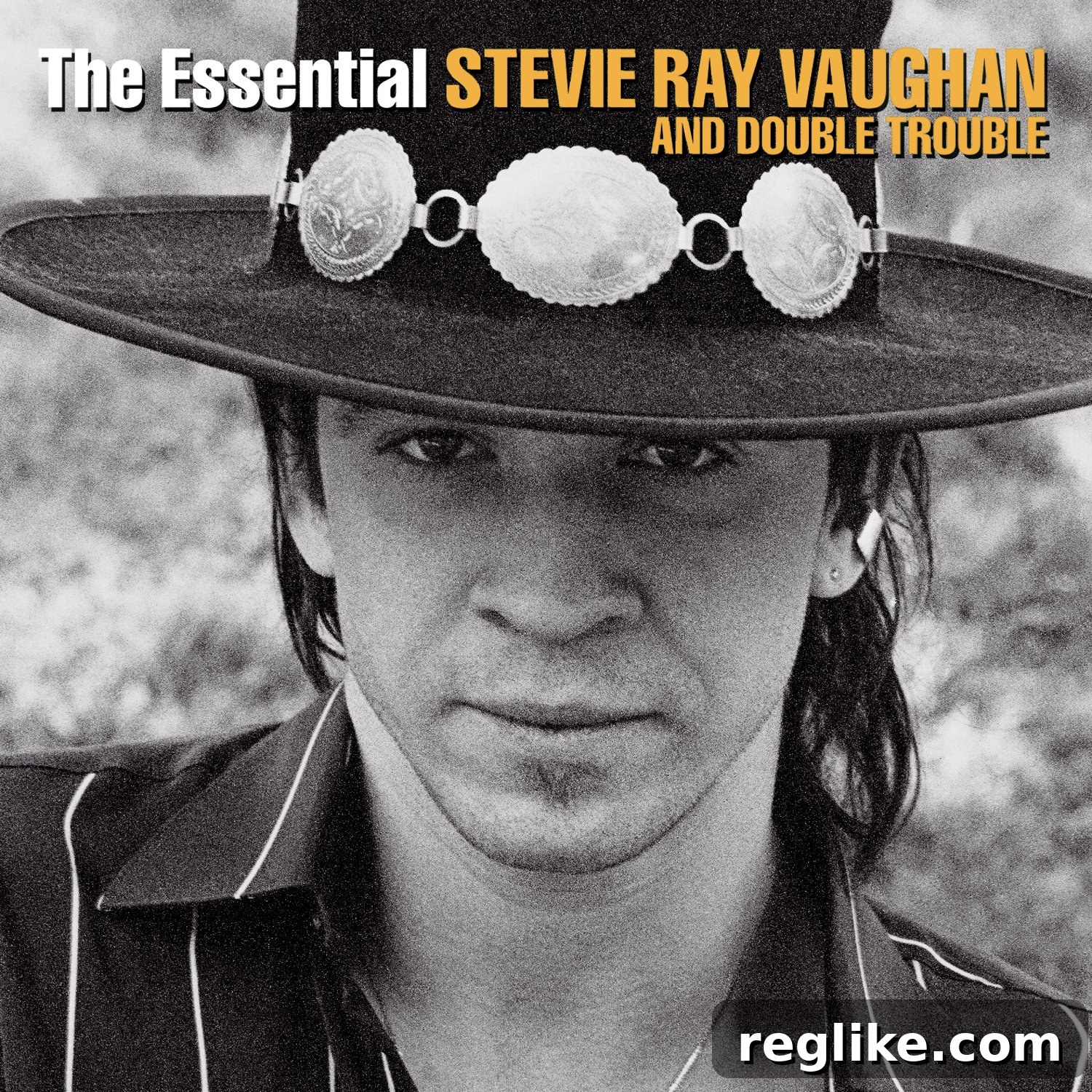
Stevie Ray Vaughan Estate Fails to Secure StevieRayVaughan.com in Cybersquatting Dispute
The estate of the legendary blues musician Stevie Ray Vaughan has recently encountered a setback in its efforts to gain control of the domain name StevieRayVaughan.com. A cybersquatting claim filed by the estate against the domain’s current registrant has been denied, leaving the domain in the hands of an individual who claims to be a long-time admirer of the late guitarist.
The dispute centers around the ownership and use of the domain name StevieRayVaughan.com, which the current owner states they acquired in 2013. According to the domain registrant, the purchase was motivated by a deep appreciation for Stevie Ray Vaughan’s music and a desire to create an online tribute to the iconic musician. Over time, the website has featured content dedicated to Vaughan’s life and work, and at times, has included advertising to support its operation.
The Stevie Ray Vaughan estate, however, argued that the website’s content was minimal and served primarily as a smokescreen to justify the holding of the domain name. The estate contended that the domain was being held in bad faith and that the registrant was essentially cybersquatting, preventing the estate from using the domain for its own official purposes.
The case was brought before a panelist under the Uniform Domain Name Dispute Resolution Policy (UDRP), a system designed to resolve disputes regarding domain name registrations. In this instance, panelist Gerald Levine carefully considered the arguments presented by both sides before rendering a decision.
“The issue is not the size of content but that the content is presented genuinely to honor the subject. There is no reason to discredit Respondent’s assertion he was “a long-time blues aficionado who desired to build a fan site in tribute to Stevie Ray Vaughan (SRV), who was held in highest esteem.”
Levine’s assessment emphasized that the genuineness of the website’s content, rather than its size or scope, was the key factor in determining whether cybersquatting had occurred. He found no compelling evidence to doubt the registrant’s claim of being a devoted fan who intended to create a tribute site. This determination was crucial in the panelist’s ultimate decision.
The UDRP is specifically designed to address clear-cut cases of cybersquatting, where individuals register domain names with the primary intention of profiting from the goodwill associated with a trademark or brand. Levine concluded that the StevieRayVaughan.com case did not fall into this category, suggesting that a more appropriate venue for resolving the dispute might be the courts, where a more thorough examination of the evidence could be conducted.
The outcome of the UDRP proceeding means that, for the time being, StevieRayVaughan.com will remain under the control of the self-proclaimed fan. This decision highlights the complexities involved in domain name disputes and the importance of demonstrating bad faith intent on the part of the domain registrant.
This case serves as a reminder that simply owning a domain name that is similar to a trademark or the name of a famous person is not, in itself, sufficient grounds for a successful cybersquatting claim. The intent and behavior of the domain registrant must be carefully scrutinized to determine whether they are acting in bad faith.
The Stevie Ray Vaughan estate was represented in this matter by the law firm Munck Wilson Mandala, LLP. The firm specializes in intellectual property law and has extensive experience in handling domain name disputes. Despite their efforts, the estate was unable to convince the panelist that the domain registrant was engaged in cybersquatting.
The decision in this case underscores the challenges faced by trademark owners and estates in protecting their intellectual property rights in the online world. While the UDRP provides a relatively quick and cost-effective mechanism for resolving domain name disputes, it is not always the most suitable venue for cases that involve complex factual or legal issues. In such instances, pursuing litigation in the courts may be a more viable option, although it can also be a more time-consuming and expensive process.
The case also brings to light the fine line between legitimate fan activity and potential cybersquatting. While it is perfectly acceptable for fans to create websites dedicated to their favorite musicians or celebrities, it is important to ensure that such sites do not infringe on the intellectual property rights of others or mislead consumers into believing that they are official sources of information.
Ultimately, the StevieRayVaughan.com case is a complex one that highlights the ongoing challenges of balancing the rights of trademark owners with the interests of domain name registrants. As the internet continues to evolve, it is likely that we will see more of these types of disputes arise, requiring careful consideration of the relevant legal principles and factual circumstances.
The denial of the UDRP claim doesn’t necessarily signal the end of the road for the Stevie Ray Vaughan estate’s pursuit of the domain name. They retain the option to pursue legal action through traditional court systems. This avenue allows for a more comprehensive examination of evidence and potentially a different interpretation of the domain registrant’s intentions and actions.
For now, however, the domain remains a testament to the enduring legacy of Stevie Ray Vaughan, maintained by someone who claims a genuine connection to his music. Whether this arrangement continues indefinitely or ultimately changes through further legal challenges remains to be seen. This case serves as a valuable lesson for anyone involved in domain name ownership, intellectual property, and online brand protection.
The intricacies of UDRP cases are nuanced and depend greatly on the specific details of each situation. This particular instance demonstrates the importance of proving malicious intent, which can be a difficult hurdle to overcome. Simply owning a domain similar to a trademark is not enough; there must be demonstrable evidence that the domain is being used in a way that unfairly profits from or damages the brand’s reputation.
As the digital landscape evolves, it is essential for both individuals and businesses to understand the laws and policies surrounding domain names and intellectual property. Seeking legal counsel in cases of potential cybersquatting or trademark infringement is highly recommended to ensure that rights are protected and appropriate action is taken.