
The Digital Domain Battle for Breaking Dawn Part 1: A Pre-Release Showdown
As the highly anticipated release of The Twilight Saga: Breaking Dawn, Part 1 drew closer, fans worldwide eagerly awaited its cinematic debut in November. Yet, even before the onscreen drama unfolded with vampires and werewolves, an intense behind-the-scenes conflict had already begun. This wasn’t a battle of supernatural beings, but a modern-day skirmish over digital real estate: the film’s official domain name.
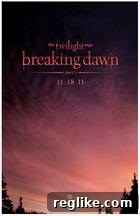
Movie studios understand that in today’s digital age, a strong online presence is paramount for a blockbuster’s success. The official website serves as the central hub for trailers, cast information, behind-the-scenes content, ticket sales, and merchandise. It’s the primary touchpoint for fans and the media, making the choice and acquisition of a domain name a critical early step in any major film’s marketing strategy. For The Twilight Saga: Breaking Dawn, Part 1, this process hit an unexpected snag, forcing the film’s creators into a significant legal battle to secure their desired online identity.
The Heart of the Dispute: Securing BreakingDawnTheMovie.com
The core of the issue revolved around the domain BreakingDawnTheMovie.com. In a common industry practice, movie studios frequently append “themovie” to the end of a film’s title when registering domain names. This strategy helps to distinguish the film’s official site from other uses of the title, such as books, music, or unrelated projects, and aids in search engine optimization (SEO) by providing a clear, descriptive URL. However, in this instance, the crucial domain was already registered by another party.
Faced with this roadblock, the creators of Breaking Dawn, Part 1 took decisive action. They filed a formal complaint with the National Arbitration Forum (NAF), a leading provider of services for resolving domain name disputes under the Uniform Domain-Name Dispute-Resolution Policy (UDRP). This policy, established by the Internet Corporation for Assigned Names and Numbers (ICANN), provides an administrative procedure for resolving conflicts arising from the bad-faith registration and use of domain names that infringe upon trademark rights.
Understanding Cybersquatting and the UDRP
The UDRP is designed to combat cybersquatting – the practice of registering, trafficking in, or using a domain name with the bad-faith intent to profit from the goodwill of a trademark belonging to someone else. To successfully win a UDRP complaint, the complainant (in this case, the movie studio) typically must prove three elements:
- The domain name is identical or confusingly similar to a trademark in which the complainant has rights.
- The registrant (the current owner of the domain) has no rights or legitimate interests in respect of the domain name.
- The domain name has been registered and is being used in bad faith.
For a globally recognized franchise like The Twilight Saga, establishing trademark rights for “Breaking Dawn” in relation to a film is straightforward. The primary challenge lies in proving the “no legitimate interest” and “bad faith” elements, especially if the domain was acquired without any obvious connection to the film or an intent to capitalize on its fame.
Because BreakingDawnTheMovie.com was already taken, the studio was compelled to resort to an alternative: breakingdawn-themovie.com, incorporating a hyphen. While functionally sound, a hyphenated domain can subtly impact branding and user experience. It’s less intuitive, slightly harder to remember, and may not appear as authoritative as the unhyphenated version, potentially leading to minor SEO disadvantages or user confusion if not clearly promoted.
The Broader Landscape of Movie Domains and Marketing
The struggle for a prime domain highlights the immense value of a clean, recognizable online identity for any major film. An official domain name is more than just an address; it’s a critical asset in the comprehensive digital marketing strategy of a blockbuster film. It serves as:
- The Definitive Information Hub: The go-to source for official news, production updates, cast interviews, and high-resolution media.
- A Marketing Anchor: Every trailer, social media post, and press release can direct audiences to this singular, authoritative source.
- Brand Protection: Owning the most relevant domain helps prevent confusion and protects the brand from potential misuse or misleading content.
- SEO Powerhouse: A strong, keyword-rich domain contributes significantly to the film’s visibility in search engine results, ensuring that fans looking for “Breaking Dawn movie” find the official site first.
Intellectual Property in the Digital Age
Movie titles often become trademarks, granting the studio exclusive rights to use that title in connection with films, merchandise, and related media. When a domain name identical or confusingly similar to such a trademark is registered by an unauthorized third party, it constitutes a form of intellectual property infringement. This battle underscores the ongoing challenge for content creators to protect their brands across all digital frontiers.
The Curious Case of BreakingDawn.com
Adding another intriguing layer to this domain saga is the existence of BreakingDawn.com. This active website, surprisingly, pertains to an entirely different film also titled “Breaking Dawn.” This scenario illustrates the complexities of film titles and intellectual property, where different entities can legitimately hold rights to the same title within distinct industries or even within the same industry if their release dates and target audiences are sufficiently separate, preventing market confusion.
For casual internet users searching for “Breaking Dawn,” this duplication of titles can lead to confusion, potentially diverting traffic away from the Twilight Saga film’s official resources. While the studio’s primary concern was securing BreakingDawnTheMovie.com to explicitly promote their specific installment, the existence of another “Breaking Dawn” film adds to the noise in an already crowded digital landscape.
Fan Sites: Allies or Obstacles in the Digital Realm?
A simple Google search for “Breaking Dawn Movie” reveals a vibrant ecosystem of fan-created content. Among the top results are blogs and fan sites like breakingdawnmovie.org, thebreakingdawnmovie.org, and breakingdawnmovie101.org. These sites, typically hosted on `.org` domains, are crucial to a film’s success, generating organic buzz, fostering community, and often providing supplementary information or unique fan perspectives that official channels might not cover.
Interestingly, while the studio aggressively pursues the commercial domain BreakingDawnTheMovie.com, it is highly probable that they will largely leave these dedicated fan sites undisturbed. This nuanced approach is strategic. True fan sites, driven by passion and not direct commercial exploitation of the movie’s trademark, often serve as invaluable marketing assets. They amplify the film’s reach, keep the conversation alive, and cultivate a loyal fanbase – all without demanding a cent from the studio. As long as these sites are clearly non-official, don’t mislead users, and avoid outright trademark infringement for profit, they are generally tolerated, if not subtly encouraged, by studios.
The studio’s focus remains squarely on controlling the primary, commercial entry point for the film. Owning the definitive “themovie” domain ensures that ticket sales, official merchandise, and critical announcements originate from an undisputed source, maintaining brand integrity and maximizing revenue streams. Fan sites, while using the name, typically operate in a different sphere, contributing to the overall cultural footprint rather than competing for official commercial traffic.
The UDRP Process and Its Broader Implications
The UDRP process, while efficient compared to traditional litigation, still involves time and resources. Once a complaint is filed, the domain registrant has an opportunity to respond. A panel of experts then reviews the arguments and evidence from both sides before issuing a decision, which typically happens within 60 days. If the panel rules in favor of the complainant, the domain name is usually transferred to them.
For studios, proactive domain registration is key. Registering various permutations of a film’s title, including those with “themovie” or common misspellings, well in advance of public announcement can prevent many such disputes. However, the sheer volume of new content and the speculative nature of some domain registrations mean that battles like the one for Breaking Dawn, Part 1 are increasingly common in the entertainment industry.
SEO and Digital Strategy: More Than Just a URL
The choice of a domain name directly impacts a film’s search engine optimization. A memorable, keyword-rich, and unhyphenated domain is generally preferred for several reasons:
- Memorability: Easier for audiences to type directly into their browser or recall from advertising.
- Authority: Search engines often assign more authority to primary, unhyphenated domains.
- Click-Through Rate (CTR): A cleaner URL in search results can lead to higher click-through rates.
- Social Sharing: Simpler URLs are easier to share and less prone to errors on social media platforms.
By securing the desired BreakingDawnTheMovie.com, the studio aims to establish the definitive online presence, ensuring that search queries for the film consistently lead users to their official, highly optimized portal. This central online hub can then effectively syndicate content to social media, news outlets, and fan communities, creating a cohesive and powerful digital marketing ecosystem.
A Precedent-Setting Battle in Digital Real Estate
The domain name dispute for The Twilight Saga: Breaking Dawn, Part 1 serves as a potent reminder of the complexities and critical importance of digital real estate in the modern entertainment landscape. As films become global phenomena, their digital identities are as crucial as their cinematic releases. The battle for BreakingDawnTheMovie.com highlights the proactive measures studios must take to protect their intellectual property, manage their brand online, and ensure an unobstructed path for fans to engage with their beloved franchises. As the film prepared to captivate audiences on the big screen, its creators were simultaneously fighting to secure its rightful place in the digital ether, ensuring that the magic of Breaking Dawn could be easily found and experienced by all its dedicated followers online.