
Mothers Against Drunk Driving (MADD) Initiates Trademark Lawsuit Against Lingerie Company MADDSEXY
In a compelling clash of brand identities, Mothers Against Drunk Driving (MADD), a revered national advocacy organization, has initiated a trademark infringement lawsuit against the lingerie company MADDSEXY. The core of the dispute centers on MADD’s assertion that the intimate apparel brand’s name and domain, Maddsexy.com, threaten to dilute its esteemed reputation and cause significant consumer confusion. This high-profile case highlights the intricate challenges of brand protection in a diverse commercial landscape, particularly when two entities operate in vastly different sectors.
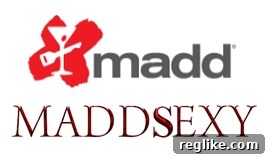
Mothers Against Drunk Driving, widely recognized by its powerful acronym MADD, stands as a formidable force in public safety and advocacy. For decades, MADD has championed the cause of eradicating drunk driving, supporting victims, and preventing underage drinking. Through tireless campaigns, legislative advocacy, and community outreach, MADD has cultivated an immensely strong and distinct brand identity, synonymous with responsibility, safety, and sober choices. The organization’s name and associated marks carry significant emotional weight and public trust, making any perceived infringement a serious matter.
The lawsuit, which includes a demand for MADDSEXY to cease using its domain name, Maddsexy.com, underscores the profound importance of digital real estate in modern branding. In today’s interconnected world, a domain name is not just an address; it is a primary identifier, a gateway to a brand’s presence, and a critical component of its intellectual property. The ability to control and protect this digital footprint is paramount for any organization, especially one like MADD, whose reputation is built on public trust and clear messaging.
The Heart of MADD’s Allegations: Dilution and Confusion
At the core of MADD’s legal argument lies the concern over trademark dilution and the potential for consumer confusion. The advocacy group articulates its position with striking clarity in its legal filing (pdf), stating:
Defendants’ promotion of lingerie products, along with their highly sexualized portrayal of women in their promotion of their products, is likely to erode MADD’s credibility and damage MADD’s goodwill and valuable reputation by diluting the MADD Marks, including, but not limited to, the famous MADD mark.
This statement reveals a dual concern: dilution by tarnishment and dilution by blurring. Dilution by tarnishment occurs when a famous mark is associated with unwholesome or unsavory products or services, thereby damaging its reputation. MADD argues that the “highly sexualized portrayal of women” in the promotion of lingerie products could negatively impact its serious, life-saving message, associating it with something perceived as frivolous or even inappropriate. Such an association, MADD contends, could undermine the gravity of its mission and the respect it has earned over decades.
Understanding Trademark Dilution in Detail
Trademark dilution laws exist to protect famous marks from erosion of their distinctiveness, even if there is no likelihood of consumer confusion. There are generally two types of dilution:
- Dilution by Blurring: This occurs when the distinctiveness of a famous mark is weakened because identical or similar marks are used on unrelated goods or services. The public might start to associate the famous mark with different products, lessening its unique connection to the original source. For instance, if MADD became associated with lingerie, its singular message against drunk driving might become less clear or potent.
- Dilution by Tarnishment: This happens when a famous mark is linked to products or services of inferior quality, or those that are portrayed in an unwholesome or unsavory context. MADD’s argument specifically targets the “highly sexualized portrayal” as a source of tarnishment, fearing that the association could degrade the positive image and credibility it has meticulously built. The organization’s brand equity is tied to a serious social cause, and a perceived link to a product category like lingerie, especially with overtly sexualized marketing, could indeed be seen as detrimental to its public image and fundraising efforts.
Furthermore, MADD’s filing also addresses the issue of likelihood of confusion, asserting:
Defendants’ use of “MADDSEXY” in promoting women’s intimate products so resembles MADD’s distinctive marks used in connection with MADD’s goods and services, which are offered in the same channels of commerce to the same general public, as to be likely to cause confusion, or to cause mistake, or to deceive.
This claim, while legally standard in trademark disputes, invites a deeper examination of consumer perception. The legal standard for likelihood of confusion typically involves several factors, including the similarity of the marks, the similarity of the goods or services, the marketing channels used, the degree of care likely to be exercised by purchasers, and evidence of actual confusion.
Navigating the Nuances: The Question of Consumer Perception
While MADD’s legal position is clear, the practical reality of consumer perception presents an interesting dilemma. It is genuinely difficult to imagine a scenario where a consumer purchasing “MADDSEXY” lingerie would mistakenly believe they are supporting Mothers Against Drunk Driving. The product categories – advocacy for public safety versus intimate apparel – are so vastly disparate that an overlap in direct consumer confusion seems improbable to many observers. The typical MADD supporter seeking to donate or engage with the organization is unlikely to stumble upon Maddsexy.com and draw a connection, nor is a lingerie shopper likely to assume a portion of their purchase benefits an anti-DUI charity.
However, trademark law often extends beyond immediate point-of-sale confusion. The concern lies in the subtle psychological association that might form in the public consciousness. Even without direct confusion, the mere presence of a similar-sounding name in an unrelated, particularly controversial, industry can erode the distinctiveness of a well-established mark over time. This is where the concept of dilution, rather than direct confusion, becomes MADD’s stronger legal pillar. The cumulative effect of encountering “MADD” in different, seemingly contradictory contexts could gradually weaken the brand’s powerful and unambiguous message.
The Lingerie Company’s Perspective: A Coincidental Choice?
From the perspective of the lingerie company, MADDSEXY, the choice of name might have been entirely independent of MADD. The addition of “Madd” to “Sexy” could be interpreted as an intensifier, suggesting “madly sexy” or “extremely sexy,” a common linguistic flourish in brand naming, especially in fashion and lifestyle sectors. Companies often use evocative words or playful spellings to create memorable and appealing brand names that resonate with their target demographic.
Without specific knowledge of MADDSEXY’s intent, it’s plausible that the resemblance to MADD was an unfortunate coincidence rather than a deliberate attempt to capitalize on or undermine the advocacy group’s brand. Their defense would likely hinge on the argument that their products and services are so inherently different from MADD’s that no reasonable consumer would ever link the two. They might also emphasize the distinctiveness of their target audience, marketing channels, and brand messaging, which are geared towards fashion-conscious consumers interested in intimate apparel, a world away from public health advocacy.
Broader Implications for Brand Owners and the Digital Landscape
This lawsuit serves as a critical reminder of the complexities inherent in intellectual property law in the digital age. As businesses proliferate online, and new brand names emerge daily, the potential for perceived conflicts—even across drastically different industries—escalates.
Lessons for Brand Protection:
- Vigilant Monitoring: Famous brands, especially non-profits whose reputation is their most valuable asset, must constantly monitor for potential infringements across all sectors, including domain names and social media handles.
- Proactive Searches: New businesses launching their brands must conduct exhaustive trademark searches, not only within their immediate industry but also across diverse fields, to identify potential conflicts and mitigate risks.
- Understanding Dilution: The MADD vs. MADDSEXY case highlights that merely avoiding “confusion” is not enough for famous marks. The broader concept of dilution, encompassing both tarnishment and blurring, offers additional layers of protection.
- Domain Name Importance: The specific request to cease using Maddsexy.com underscores the crucial role of domain names as primary brand identifiers. Disputes over domains are often central to trademark litigation, reflecting their status as valuable digital assets.
The outcome of this case could set interesting precedents or at least provide further guidance on how courts interpret dilution and confusion when two vastly different brands share a similar phonetic or visual element. It forces a legal system designed for traditional commerce to adapt to a global, instantaneous digital marketplace where brands can collide in unexpected ways.
Conclusion: A Balancing Act of Rights and Reputation
The lawsuit filed by Mothers Against Drunk Driving against MADDSEXY is more than just a dispute over a name; it is a profound examination of brand identity, intellectual property rights, and the delicate balance between commercial freedom and reputation protection. While the immediate impulse might be to doubt the likelihood of direct consumer confusion, MADD’s argument regarding dilution by tarnishment resonates powerfully for an organization dedicated to a serious public cause.
As the legal proceedings unfold, the courts will be tasked with weighing the established goodwill and fame of MADD against MADDSEXY’s right to operate under its chosen brand. Regardless of the final verdict, this case serves as a poignant illustration of the ever-present challenges facing brand owners in an interconnected world, emphasizing the enduring importance of vigilance, strategic brand management, and the robust protection of intellectual property in safeguarding an organization’s mission and legacy. The dispute reinforces that in the realm of branding, perception is reality, and the integrity of a name can be fiercely defended, even across the most disparate industries.