
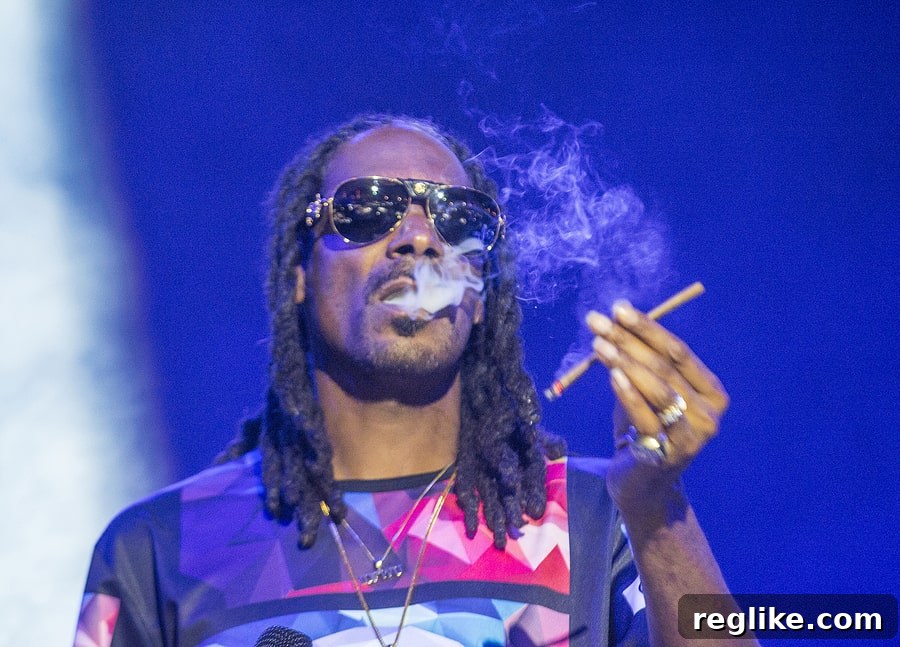
Snoop Dogg Fortifies Digital Empire with Latest Cybersquatting Victories
Snoop Dogg Continues Dominance, Securing Key Domain Names in Cybersquatting Showdowns
In the ever-evolving digital landscape, where celebrity names and trademarks are prime targets for illicit exploitation, Calvin Broadus, famously known as Snoop Dogg, stands as a vigilant guardian of his brand. The iconic entertainer has once again demonstrated his unwavering commitment to protecting his intellectual property, recently triumphing in a series of cybersquatting disputes that underscore the critical importance of digital brand vigilance in the entertainment industry.
These latest victories, adjudicated by the esteemed World Intellectual Property Organization (WIPO), add to Snoop Dogg’s growing list of successful challenges against individuals attempting to profit from his global renown. Such cases highlight not only the persistent threat of cybersquatting but also the robust legal mechanisms available to combat it.
Understanding Cybersquatting: A Threat to Digital Identity
Cybersquatting is the practice of registering, trafficking in, or using a domain name with the bad-faith intent to profit from the goodwill of a trademark belonging to someone else. This illicit activity can manifest in various forms, from directing traffic to competing products or services, to hosting malicious content, or even attempting to sell the domain name back to the rightful trademark owner at an inflated price. For celebrities and high-profile brands, cybersquatting poses a significant threat, potentially leading to reputational damage, dilution of brand value, and financial losses due to diverted traffic and consumer confusion.
The Uniform Domain Name Dispute Resolution Policy (UDRP), administered by bodies like WIPO, provides a streamlined and cost-effective alternative to traditional litigation for resolving such disputes. It typically requires the complainant to prove three key elements: that the disputed domain name is identical or confusingly similar to a trademark in which the complainant has rights; that the registrant has no rights or legitimate interests in respect of the domain name; and that the domain name has been registered and is being used in bad faith.
Snoop Dogg’s Latest WIPO Triumphs
The most recent chapter in Snoop Dogg’s digital defense sees WIPO awarding him five additional domain names that were registered by an individual in Afghanistan. These domains, initially registered in December 2024, exploited various facets of his brand, clearly demonstrating the registrants’ intent to capitalize on his fame without authorization. The newly secured domains include:
nz-snoopdogg.buzzsnoopdoggdollars-au.onesnoopdoggdollars.cloudsnoopdoggdollars.clubsnoopdoggold.com
The modus operandi of the cybersquatters varied, with some of these domains being used to forward traffic to illicit gambling sites, while others redirected users to pages featuring Snoop Dogg’s likeness, creating a deceptive association that could mislead fans and consumers. Such unauthorized usage not only undermines the artist’s brand integrity but also exposes his audience to potentially harmful or inappropriate content, making these victories crucial for consumer protection as well.
A Pattern of Proactive Brand Enforcement
These latest wins are far from isolated incidents; they represent a consistent and strategic effort by Snoop Dogg and his legal team to police his digital footprint. Just a month prior, the acclaimed artist successfully reclaimed the domain name SnoopDoggBush.com. This case was particularly noteworthy as it involved the title of his critically acclaimed 13th album, “Bush,” released in 2015. The registrant’s “unusual way” of using the domain, leveraging the album title for unauthorized purposes, underscored the broad scope of cybersquatting tactics.
Following that, Snoop Dogg also successfully secured snoopdoggpack.com, a domain being utilized to promote unauthorized music products. This type of infringement directly impacts an artist’s ability to control their music distribution and revenue streams, making its retrieval a significant win for his music enterprise.
Furthermore, these recent successes build upon two other cybersquatting disputes that Snoop Dogg won last year, demonstrating a sustained and rigorous approach to intellectual property enforcement. This pattern of vigilant action sends a clear message to potential infringers: Snoop Dogg’s brand is well-protected, and attempts to exploit it will be met with decisive legal action.
The Broader Implications for Celebrity Brands and Digital Rights
The ongoing saga of Snoop Dogg versus cybersquatters provides a compelling case study for celebrities, businesses, and individuals alike on the critical importance of robust brand protection in the digital era. Celebrities, with their globally recognized names and associated imagery, are inherently attractive targets for those looking to illicitly capitalize on established fame.
For an artist like Snoop Dogg, whose career spans decades and encompasses music, television, entrepreneurship, and various other ventures, maintaining control over his digital identity is paramount. Each domain name victory contributes to safeguarding his extensive brand portfolio, preventing consumer confusion, and preserving the integrity of his various commercial and artistic endeavors. These wins not only recover specific domain names but also strengthen his overall brand equity and serve as a powerful deterrent against future infringement.
The proactive engagement with WIPO and the UDRP process highlights the effectiveness of international intellectual property frameworks in addressing cross-border digital disputes. It underscores that trademark rights are not confined to physical goods or traditional media but extend deeply into the virtual realm, requiring consistent and assertive enforcement.
Protecting Your Brand in the Digital Age: Lessons from Snoop Dogg
The diligent efforts of Snoop Dogg’s team offer valuable lessons for anyone looking to protect their brand online:
- Early Trademark Registration: Securing trademarks for names, logos, and key brand elements is the foundational step. These legal protections are essential evidence in any cybersquatting dispute.
- Proactive Domain Monitoring: Regularly scanning for new domain registrations that incorporate your brand name or variations thereof can help identify potential infringements early.
- Swift Action: Once an infringement is detected, prompt legal action through mechanisms like the UDRP is crucial. Delay can sometimes be interpreted as tacit approval or lead to more entrenched bad faith use.
- Comprehensive Strategy: A holistic approach that includes legal expertise, technical monitoring, and strategic decision-making is vital for effective brand protection.
Conclusion: A Champion for Digital Brand Integrity
Snoop Dogg’s continuous success in cybersquatting cases solidifies his position not just as a music legend, but also as a champion for digital brand integrity. His diligent pursuit of those who seek to exploit his name and likeness serves as a powerful reminder that intellectual property rights are fiercely defended in the online world. As the digital landscape continues to expand, the vigilance and strategic enforcement demonstrated by artists like Snoop Dogg will remain crucial in preserving the authenticity and value of celebrity brands for years to come.