
Navigating the Bed Bug Resurgence: The Unexpected Saga of BedBugs.com
The recent resurgence of bed bugs has sent ripples through communities worldwide, transforming what was once a fading nuisance into a pervasive and pressing public health concern. From bustling metropolitan centers like New York City to quiet suburban homes, these nocturnal pests have made an unwelcome return, sparking widespread media attention and a scramble for effective solutions. It’s no surprise that conversations about bed bug infestations, prevention, and eradication are dominating news cycles, social media feeds, and even casual discussions among friends. This heightened awareness inevitably casts a spotlight on digital real estate, specifically domain names that perfectly encapsulate this widespread phenomenon.
 As I recently tuned into a fascinating interview on NPR discussing the escalating bed bug epidemic, my mind naturally gravitated towards the digital landscape. In an era where information and services are predominantly sought online, possessing a highly relevant domain name can be an invaluable asset. One can’t help but wonder: who has capitalized on this surging interest by securing the most intuitive and direct digital address related to the issue? The prime candidate, of course, would be BedBugs.com. Given the current global fascination—or rather, global anxiety—surrounding these tiny invaders, one might anticipate that such a powerful domain would be owned by a leading pest control giant, a prominent public health organization, or perhaps a savvy domain investor.
The Unforeseen Redirect: BedBugs.com’s Journey to Hasbro
With the belief that such a premium, exact-match domain would surely be in the hands of someone directly benefiting from or addressing the bed bug crisis, I ventured to type BedBugs.com into my browser. My immediate assumption was that it would lead to a comprehensive pest control resource, an authoritative information portal, or at the very least, a landing page for a related product or service. Perhaps even a shrewd domain investor, often referred to as a ‘domainer,’ would be managing its monetization. Therefore, the surprise was palpable, to say the least, when my browser redirected me not to an entomology expert or an exterminator, but to… Hasbro.com?
This unexpected destination immediately raised questions. Hasbro, a global toy and game manufacturing giant, seemed an unlikely owner for a domain so directly tied to a real-world pest problem. A quick dive into the domain’s history revealed that BedBugs.com was originally registered way back in 1996, long before the current wave of infestations brought the issue back into the public consciousness with such force. Historical WHOIS records indicate that Hasbro has held ownership of this domain since at least 2001, if not earlier. This long-standing ownership points to a very specific, and now somewhat anachronistic, purpose.
Hasbro’s “Poundin’ Bed Bugs” and a Shifting Paradigm
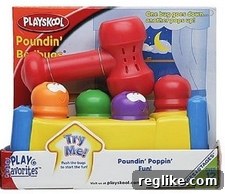
The rationale behind Hasbro’s acquisition of BedBugs.com becomes clearer when one considers their product catalog from years past. Hasbro once produced a children’s game aptly titled “Poundin’ Bed Bugs.” This game, designed for toddlers, likely involved a playful, cartoonish depiction of bed bugs, far removed from the genuine distress and discomfort associated with a real infestation. In the context of the game, “bed bugs” were harmless, even amusing characters to be whacked or played with. It made perfect sense for Hasbro to register a domain name that directly corresponded to one of their intellectual properties, ensuring brand protection and an easy online destination for interested parents or gift-givers.
However, the landscape has dramatically shifted since the game’s heyday and the domain’s registration. What was once a lighthearted children’s game now shares its name with a serious, widespread public health nuisance. The domain BedBugs.com, which currently merely redirects to Hasbro’s generic homepage, represents a significant disconnect. The game itself is now dated, and its cultural relevance, especially in light of the renewed bed bug crisis, has dwindled. This raises a crucial question about the strategic value and appropriate utilization of such a powerful domain name in the contemporary digital environment. It appears to be an underutilized asset, a digital gem currently sitting dormant when it could be actively serving a much larger, and more pressing, purpose.
The Unmet Potential: Why BedBugs.com is a Digital Goldmine
In the realm of online marketing and search engine optimization (SEO), an exact-match domain (EMD) like BedBugs.com is incredibly powerful. It offers inherent advantages that are difficult to replicate. When consumers are actively searching for solutions to a problem, they often type keywords directly into their browser or a search engine. A domain that perfectly aligns with those keywords, especially for a topic generating such intense interest, benefits from:
- Direct Navigation: Many users instinctively type “BedBugs.com” expecting relevant information or services. This direct traffic is highly valuable as it bypasses traditional search engine results pages.
- Search Engine Authority: While Google’s algorithms have evolved, exact-match domains still signal strong relevance to search engines. A domain like BedBugs.com immediately communicates its niche, potentially boosting its organic rankings for core bed bug-related keywords.
- Memorability and Branding: The domain is exceptionally easy to remember and inherently establishes authority on the subject. It’s a natural fit for any brand seeking to become the definitive source for bed bug solutions.
- Trust and Credibility: A website hosted at BedBugs.com would instantly be perceived as a definitive, authoritative source for bed bug related content, products, or services, fostering immediate user trust.
Given the current widespread panic and the genuine need for reliable information and effective pest control, the domain BedBugs.com holds immense, untapped value. It’s a prime piece of digital real estate that could serve as a central hub for a myriad of essential resources. The contrast between its current use (a redirect to a toy company’s general site) and its potential utility for a public desperately seeking answers is stark. It represents a significant missed opportunity for Hasbro and a potential goldmine for an entity poised to leverage its true power.
Beyond Toys: Envisioning BedBugs.com’s True Purpose
Imagine the impact if BedBugs.com were acquired and developed by an organization truly aligned with the subject matter. The possibilities for leveraging such a highly sought-after domain are vast and varied, each offering significant commercial or public service value:
A National Pest Control Authority
The most immediate and obvious use would be for a leading national or international pest control company. BedBugs.com could serve as their primary portal for all bed bug related services, offering direct booking, expert advice, and showcasing their specialized treatment options. This would provide unparalleled brand visibility and direct access to a demographic in urgent need of professional help. Such a company could cement its position as the industry leader, driving substantial traffic and conversions.
The Definitive Information Hub
Alternatively, it could become the internet’s most comprehensive and authoritative information hub on bed bugs. This platform could offer:
- Identification Guides: Clear photos, detailed descriptions, and infographics illustrating bed bugs at various life stages, differentiating them from similar pests.
- Prevention Strategies: Practical, actionable tips for travelers, homeowners, and renters on how to avoid bringing bed bugs into their living spaces.
- Treatment Options: Detailed explanations of DIY methods, professional extermination techniques (chemical, heat, cryogenics), and emerging technologies.
- FAQs and Expert Q&A: Addressing common concerns, debunking myths, and providing scientifically backed answers from entomologists and pest control specialists.
- News and Research: Updates on outbreaks, new scientific studies, legislative changes regarding pest control, and impartial product reviews.
Such a site, built with robust SEO practices, would naturally rank at the top of search results, becoming the go-to resource for millions seeking accurate and reliable information, fostering a sense of community and relief.
A Curated Product and Service Marketplace
Another compelling option is to transform BedBugs.com into a dedicated marketplace. This could feature reviews and direct purchasing options for a carefully curated selection of products:
- High-quality bed bug encasements for mattresses, box springs, and pillows.
- Natural and chemical deterrents, sprays, and dusts approved for bed bug treatment.
- Travel-sized prevention kits, including inspection tools and portable heat bags.
- Professional inspection services, including canine detection teams.
- Heat treatment equipment or rental services for comprehensive eradication.
- Educational materials, books, and courses on bed bug management.
Affiliate marketing opportunities and direct sales through such a platform would be immense, serving a niche but highly motivated buyer segment actively searching for solutions.
Community and Support Forum
Beyond commerce and information, BedBugs.com could foster a supportive community. A moderated forum where individuals could share their experiences, offer emotional support, and exchange practical advice could be invaluable for those grappling with the psychological and financial toll of an infestation. This approach would build trust and loyalty, positioning the domain as a compassionate authority and a haven for those affected.
The Inevitable Transition: Who Will Claim BedBugs.com?
It seems almost inevitable that the domain BedBugs.com will eventually change hands. Given that Hasbro’s original purpose for the domain is now largely obsolete and arguably misaligned with its current societal context, it’s reasonable to predict that the company might, at some point, decide to divest this digital asset. The current redirection to their general homepage is a passive use, doing little to capitalize on the domain’s inherent authority and high-traffic potential related to its literal meaning. From a strategic business perspective, maintaining a premium domain that doesn’t actively serve their core toy and game business, especially when it’s so relevant to a non-toy topic, could be seen as inefficient.
The question then shifts from “who owns it” to “who should own it” and “who will eventually own it.” Any entity looking to dominate the bed bug niche—be it a pest control conglomerate, a health education non-profit, a specialized product manufacturer, or an ambitious digital entrepreneur—would view BedBugs.com as the crown jewel of their online strategy. Its acquisition would instantly grant them a significant advantage, bypassing years of SEO effort needed to build similar authority on a less direct domain name. The current situation presents an intriguing case study in domain name valuation, demonstrating how cultural shifts and societal concerns can dramatically alter the perceived and actual worth of a specific web address.
While Hasbro has rightfully held onto its property for decades, the current climate suggests that the time might be ripe for a transition. It wouldn’t be surprising if a serious offer, reflecting the domain’s newfound relevance and strategic importance, eventually convinces Hasbro to sell. When that day comes, the internet will gain a valuable resource, and the bed bug community will finally have a digital home truly worthy of the name, poised to offer genuine solutions and support.