
Safeguarding Consumer Trust: The Battle Against Typosquatting on AnnualCreditReport.com
In an increasingly digital world, the integrity of essential online services is paramount, especially when they involve sensitive personal financial information. Central Source, the entity established by the three major U.S. consumer credit bureaus – Experian, Equifax, and TransUnion – is on the front lines of this battle, fiercely protecting the official government-mandated website, AnnualCreditReport.com. This critical platform is the sole authorized source for Americans to obtain their free annual credit reports, a fundamental right enshrined by the FACT Act. However, its vital role makes it a prime target for malicious actors engaging in typosquatting, a deceptive practice that Central Source is actively combating through robust legal action.
Central Source has recently escalated its ongoing fight against digital deception by filing an “in rem” lawsuit targeting an astounding 227 domain names, all of which are deliberate typos of its highly recognizable and trusted AnnualCreditReport.com domain. An “in rem” lawsuit, meaning “against the thing” rather than against a person, allows Central Source to pursue control over these infringing domain names directly, a powerful legal tool when the identity or location of the domain registrant is obscure or intentionally obscured. This specific lawsuit marks the sixth such cybersquatting claim initiated by the company this year alone, underscoring the pervasive nature of this threat and Central Source’s unwavering commitment to maintaining the sanctity and security of its official online presence.
The consistent legal pursuit by Central Source highlights a broader and more pressing issue in the digital landscape: the relentless attempts by opportunistic individuals or groups to capitalize on legitimate and well-known brand names. Typosquatting, at its core, is a form of cybersquatting where individuals register domain names that are common misspellings or slight variations of popular websites. The primary goal is to trick internet users who mistype a URL into landing on an alternative, often malicious or advertisement-laden, site. For a service as crucial as obtaining a credit report, the implications of such deception are severe, ranging from exposure to fraudulent offers and identity theft risks to simply being misled by affiliate marketing schemes designed to divert traffic and generate revenue.
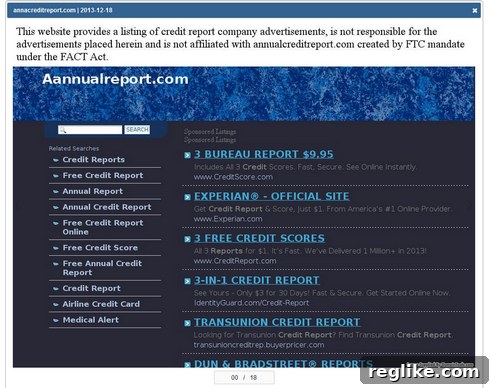
Investigations into the 227 domain names in question revealed a concerning pattern: the majority utilize Moniker forwarding services. This mechanism automatically redirects visitors who land on one of these typo domains to a centralized “parked” page, specifically AAnnualReport.com. While this destination site features a disclaimer, explicitly stating it is “not affiliated with annualcreditreport.com created by FTC mandate under the FACT Act,” the intent behind this redirection is still highly questionable. The very act of intercepting traffic intended for the official site, regardless of a disclaimer, creates confusion and undermines the clear, singular pathway consumers should have to their legitimate credit reports.
The disclaimer itself, while legally intended to shield the parked site from direct liability, inadvertently reveals its business model:
This website provides a listing of credit report company advertisements, is not responsible for the advertisements placed herien and is not affiliated with annualcreditreport.com created by FTC mandate under the FACT Act.
This statement clarifies that AAnnualReport.com serves as an advertising hub, likely generating revenue through affiliate marketing arrangements with other credit-related service providers. While these may not be outright scams, they are certainly not the free, comprehensive credit reports mandated by the government and provided by AnnualCreditReport.com. This sophisticated form of traffic diversion is a direct assault on the brand integrity and public trust associated with the official platform, potentially steering users toward commercial offerings they neither sought nor needed, instead of their statutory right to a free report.
The legal complaint further sheds light on the evasive tactics employed by these typosquatters. It alleges that after Central Source dispatched formal “cease and desist” letters to the registrants of these infringing domains, the WHOIS information for many of the domains was mysteriously altered. The registrant details reportedly shifted to an entity located in China, a common tactic used by cybersquatters to complicate legal enforcement and jurisdiction. This deliberate obfuscation of ownership after a legal challenge indicates a clear awareness of wrongdoing and an attempt to evade accountability, further strengthening Central Source’s argument regarding the malicious intent behind these registrations.
The legal framework combating such digital transgressions primarily rests on the Anticybersquatting Consumer Protection Act (ACPA) in the United States. Enacted in 1999, the ACPA was specifically designed to protect trademark owners from individuals who register, traffic in, or use a domain name with a bad-faith intent to profit from the goodwill of someone else’s trademark. Central Source’s multiple lawsuits underscore the ongoing relevance of ACPA and the necessity for vigorous enforcement against those who seek to exploit the internet for illicit gain. The sheer volume of domain names targeted in this specific case, 227, demonstrates the scale of the challenge faced by legitimate brand owners in safeguarding their digital presence.
For consumers, the implications of typosquatting are significant. Mistyping a single letter could lead them to a site that looks similar to the official AnnualCreditReport.com but could be designed to phish for personal information, install malware, or simply bombard them with unwanted advertisements. Accessing an inaccurate or misleading credit report could have serious financial consequences, impacting loan applications, credit scores, and overall financial health. Therefore, the actions taken by Central Source are not merely about protecting a domain name; they are about protecting millions of American consumers from potential harm and ensuring they have unfettered access to a crucial financial tool.
The proactive stance of Central Source, represented by the diligent legal counsel of Wiley Rein LLP, is crucial in setting precedents and deterring future attempts at typosquatting. The fight against cybersquatting is a continuous one, an ongoing arms race between brand protectors and digital opportunists. Every successful legal action, every domain reclaimed, reinforces the principle that the internet, while vast and open, is not a lawless frontier. Companies have a right and a responsibility to defend their trademarks and, more importantly, to protect their users from deceptive practices.
Consumers play an equally important role in this defense. Vigilance is key: always double-check the URL before entering personal information. The only legitimate website for your free annual credit report is AnnualCreditReport.com. It is advisable to type the address directly into the browser or use a trusted bookmark, rather than relying on search engine results which can sometimes be manipulated, or clicking on suspicious links in emails. Understanding the threat of typosquatting empowers individuals to navigate the internet more safely and securely.
The ongoing legal battle initiated by Central Source is more than just a corporate skirmish over domain names; it is a critical effort to maintain the integrity of a vital consumer service and uphold the public trust in online financial resources. The company’s persistent pursuit of these 227 typo domains, even in the face of registrants attempting to hide their identities in foreign jurisdictions, sends a clear message: the valuable digital real estate associated with essential consumer services like AnnualCreditReport.com will be vigorously defended. This commitment ensures that when Americans seek their free annual credit report, they land precisely where they intend – on the official, secure, and government-mandated platform, free from deceptive detours.
You can view the lawsuit filing, including the comprehensive list of 227 domain names under contention, through this provided PDF document, offering a detailed insight into the scale of this complex legal challenge.