
Unlocking Value: The Premium Potential of 4-Character (4C) Domains in China
In the vast and often volatile world of domain name investing, it’s easy to overlook certain segments. The market for 4-character (4C) domains, especially those composed of seemingly random letters and numbers, is frequently dismissed as low-value, with many sales barely scraping past registration fees. However, this perception dramatically shifts when we turn our gaze to the dynamic and culturally rich Chinese market. Here, a unique blend of linguistic nuance, numerical symbolism, and strategic branding transforms these often-neglected domains into highly sought-after digital assets.
As domain expert Kassey Lee astutely observes, what appears to be a random alphanumeric sequence on the surface can, in fact, hold profound meaning and significant value within China. This article delves into why certain 4C domains achieve impressive sale prices, demonstrating a clear demand from end-users and businesses in China that recognize their inherent value. We will explore compelling examples and uncover the underlying factors that elevate these domains from ordinary to premium.
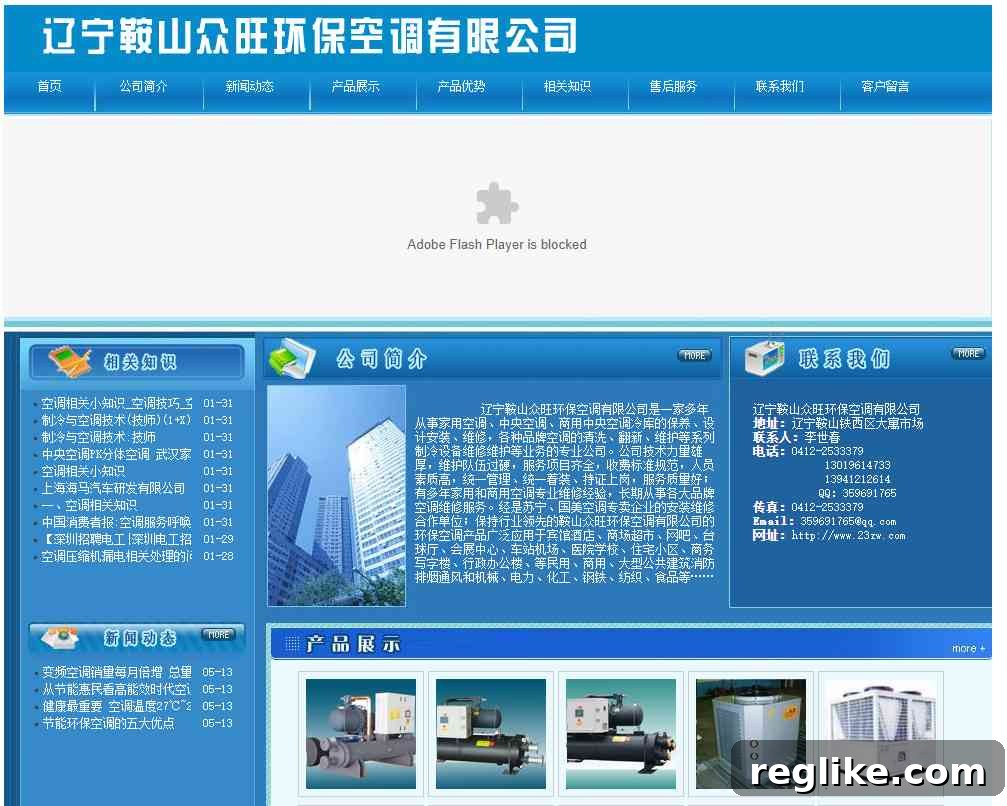
The Intriguing Case of 23ZW.com: A Domain with a Rich Chinese History
While the daily grind of watching most 4C domains sell for a mere $10 to $20 can be disheartening for investors, truly exceptional sales occasionally punctuate this landscape, demanding closer inspection. Such was the case with 23ZW.com, which recently commanded a respectable $16,500. This seemingly arbitrary combination of numbers and letters holds a fascinating and illustrative history deeply intertwined with Chinese enterprise and language.
From Air Conditioners to Fiction: The Evolution of 23ZW.com
The journey of 23ZW.com began as early as 2011, according to records from the Wayback Machine at Archive.org. In its inaugural phase, 23ZW.com served as the official corporate domain for An Shan Zhong Wang (鞍山众旺), a notable manufacturer specializing in residential and commercial air conditioning units. The domain’s choice was far from coincidental; it was a clever and culturally relevant alignment with the company’s identity:
- 23: In the context of Chinese phonetics, “23” can subtly rhyme with “An Shan” (鞍山), the name of the city in Liaoning province where the company was based. This phonetic association makes the number instantly relatable to the company’s geographical roots and brand.
- ZW: This two-letter sequence acted as a concise acronym for “Zhong Wang” (众旺), a name that translates auspiciously to “multitude of prosperity.” This directly reflects the company’s aspirations and brand promise.
Thus, 23ZW.com was not a random string but a carefully selected, meaningful digital address that perfectly encapsulated An Shan Zhong Wang’s brand – a testament to the intelligent use of 4C domains for corporate branding in China.
Following this initial period, the domain likely entered a lapse. However, its story didn’t end there. By December 2013, 23ZW.com was revitalized and repurposed as Ao Shi Zhong Wen Wang (傲世中文网), a vibrant online fiction portal. Again, the domain’s components were ingeniously reinterpreted to suit its new purpose:
- 23: While not a perfect match, “23” offered a slight phonetic resonance with “Ao Shi” (傲世), a term implying “very proud” or “proud of the world,” fitting for a grand literary platform.
- ZW: This time, ZW served as a clear and direct acronym for “Zhong Wen” (中文), which simply means “Chinese.” This made the domain instantly recognizable as a hub for Chinese language content.
This second iteration further solidified the pattern: 23ZW.com consistently found meaningful applications by Chinese end-users, demonstrating its inherent adaptability and appeal rooted in linguistic and cultural context.
The domain’s journey continued with some shifts, including a message in April of this year directing readers to 23ZW.me, signaling the impending closure of the .com version. By May, 23ZW.com briefly displayed a simple landing page featuring links to Chinese betting sites. Ultimately, the domain expired on October 26, 2019, as indicated by a “pending renewal or deletion” message. Its subsequent sale for $16,500 after expiration underscores the persistent underlying value recognized by those familiar with the Chinese domain market, despite its recent transactional history.
Beyond 23ZW.com: Broader Trends in Chinese 4C Domain Adoption
The narrative of 23ZW.com is not an isolated incident but a microcosm of a broader trend within China, where 4C domains are genuinely adopted by major end-users. This pattern is further corroborated by industry reports, such as the 2018 Top 100 Chinese Internet Companies Report, which highlights several prominent firms utilizing 4C domains to great effect.
Case Study: 21CN.com – A Digital Giant
One of the most compelling examples is 21CN.com, a domain that powers one of China’s top 10 portals. Owned by 21CN (世纪龙信息), a key subsidiary of the telecommunications titan China Telecom, this domain’s structure is elegantly simple yet powerfully meaningful:
- 21: This numerical prefix directly refers to the “21st Century,” signifying modernity, progress, and a forward-looking vision.
- CN: This widely recognized country code succinctly represents “China,” anchoring the brand to its national identity and market.
Together, 21CN.com clearly communicates “21st Century China,” a powerful brand message for a national portal. The choice of such a domain by a major state-owned enterprise subsidiary like China Telecom underscores the strategic importance and brand equity that can be built upon a meaningful 4C domain.
Case Study: 52TT.com – Gaming and Social Engagement
Another excellent illustration is 52TT.com, the digital home of TT Yu Yin (TT语音), a leading social game developer. While the explicit explanation for this domain isn’t always publicly detailed, its components resonate strongly with common Chinese online language and culture:
- 52: In Chinese internet slang, “52” (wǔ èr) is widely recognized as a homophone for “wǒ yào” (我要), meaning “I want.” This imbues the domain with a sense of desire, engagement, and user-centricity—perfect for a gaming platform.
- TT: This abbreviation could refer to various elements relevant to a gaming context, such as names of popular game characters, in-game items, or even a phonetic abbreviation of the company name itself (TT Yu Yin). The repetition often implies cuteness or familiarity, common in youth-oriented brands.
The deliberate use of numerical puns and phonetic similarities, like “52,” is a well-established practice in Chinese digital communication, making such domains intuitively appealing and memorable for the target audience. This ingenuity demonstrates how culturally resonant 4C domains can become deeply integrated into a brand’s identity and communication strategy.
Why Meaning Matters: The Cultural and Linguistic Drivers of Value
The examples of 23ZW.com, 21CN.com, and 52TT.com unequivocally demonstrate that 4C domains possess genuine demand from end-users in China – provided they are meaningful. This “meaningfulness” is not arbitrary; it stems from several unique aspects of Chinese language and culture:
1. Phonetic Symbolism and Puns:
Chinese culture often assigns significance to numbers based on their pronunciation. Homophones and phonetic similarities play a crucial role in communication, leading to popular numerical codes and puns. For instance, “8” (bā) rhymes with “fā” (发), meaning “to get rich” or “to prosper,” making domains with “8” highly desirable. Similarly, “6” (liù) sounds like “liú” (流), suggesting smoothness or flow, indicating good fortune. Conversely, “4” (sì) sounds like “sǐ” (死), meaning “death,” and is often avoided. When numbers in a 4C domain align auspiciously or create clever puns, their value skyrockets.
2. Acronyms and Abbreviations:
Given the complexity of Chinese characters, acronyms derived from Pinyin (the romanization of Chinese) are incredibly common and efficient. A 4C domain can effectively combine a number with two Pinyin initials to form a memorable and brandable name, as seen with ZW for Zhong Wang or Zhong Wen, and CN for China. This simplifies communication and aids recall, especially in a mobile-first environment.
3. Brand Recall and Memorability:
For businesses in China, a domain that resonates culturally or linguistically is easier for customers to remember, type, and trust. In a crowded digital marketplace, a memorable domain provides a distinct competitive advantage. It enhances brand recognition and facilitates word-of-mouth marketing, crucial for capturing market share.
4. Scarcity of Premium Domains:
The Chinese market is highly competitive, with millions of businesses vying for a strong online presence. Premium, short, and brandable domains are increasingly scarce. This drives up the value of 4C domains that can be imbued with local meaning, positioning them as valuable alternatives to more generic or longer domain names.
Implications for Domain Investors and Businesses
For domain investors looking beyond Western markets, the Chinese 4C domain space offers a fascinating and potentially lucrative niche. The key takeaway is the absolute necessity of cultural and linguistic due diligence. A domain that appears random to an outsider might be a goldmine within specific cultural contexts. Understanding Pinyin, numerical symbolism, and common internet slang is paramount to accurately assessing the value of these assets.
Businesses targeting the Chinese market should also take note. Investing in a meaningful 4C domain can be a strategic move to establish a strong, memorable, and culturally relevant online identity. It’s not just about having a domain; it’s about having one that speaks directly to your target audience in a way they understand and appreciate, fostering trust and engagement from the outset.
Conclusion: The Undeniable Appeal of Meaningful 4C Domains in China
The journey of 23ZW.com and the success of domains like 21CN.com and 52TT.com illustrate a vital lesson in global domain investing: value is often culturally constructed. While 4-character domains may be a tough sell in many parts of the world, they are undeniably premium assets in China when they embody linguistic meaning, cultural resonance, or auspicious numerical symbolism.
This unique characteristic of the Chinese domain market transforms seemingly random combinations of numbers and letters into powerful tools for branding, communication, and investment. By understanding and appreciating these nuances, domain investors can uncover hidden gems, and businesses can secure digital identities that truly connect with the vast and vibrant Chinese consumer base. The demand for meaningful 4C domains in China is real, robust, and a testament to the diverse factors that shape global internet infrastructure.