
Aircraft manufacturer registers domain names for upcoming return of 737 Max, but they might be defensive registrations.
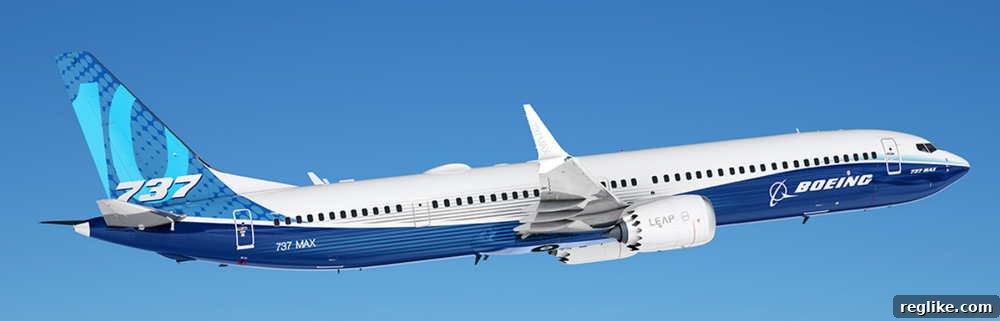
Boeing, the renowned aerospace giant, finds itself at a pivotal moment as it navigates the complex path to returning its beleaguered 737 Max aircraft to active service. Following two tragic crashes that led to a global grounding, the company’s every move is under intense scrutiny. In a recent development signaling preparation for the jet’s eventual reintroduction, Boeing has strategically registered a series of domain names directly related to the 737 Max’s return. This action, while seemingly a proactive step towards future communication, also raises questions about whether these are truly intended for public engagement or primarily serve as defensive measures to control the online narrative.
Boeing’s Strategic Domain Acquisitions for the 737 Max
The company’s recent domain name registrations offer a clear insight into the critical areas Boeing is focusing on as it prepares for the 737 Max’s re-entry into commercial flight. The domains acquired are highly specific and keyword-rich, suggesting an awareness of public concerns and potential search queries. Boeing registered the following key domain names:
- 737MaxFlights: This domain directly addresses the operational aspect of the aircraft, hinting at a future where passengers can once again book flights on the 737 Max. It speaks to the reinstatement of its flight schedule.
- 737MaxPilots: Emphasizing the human element, this registration highlights the crucial role of pilot training and confidence in the aircraft’s systems, a key component of regaining trust.
- 737MaxQuality: A direct nod to the extensive efforts being made to ensure the highest standards of manufacturing and operational excellence following the grounding.
- 737MaxReturnToService: This highly descriptive domain clearly outlines the overarching goal and current phase of the 737 Max program, providing a clear communication channel for updates on its comeback.
- 737MaxSafety: Perhaps the most critical registration, this domain underscores Boeing’s commitment to safety, aiming to reassure the public and regulatory bodies that all necessary precautions have been taken.
Each of these essential strings was meticulously registered across multiple domain name extensions, reflecting a comprehensive strategy to secure these digital assets and potentially dominate search engine results related to the 737 Max’s return. This broad approach covers various top-level domains (TLDs), indicating a thorough effort to prevent cybersquatting and ensure that Boeing controls the primary online channels for information regarding its flagship narrow-body jet.
The Troubled History and the Road to Recovery for the 737 Max
The Boeing 737 Max faced an unprecedented global grounding in March 2019, following two catastrophic crashes within five months that claimed 346 lives. The Lion Air Flight 610 disaster in October 2018 and the Ethiopian Airlines Flight 302 crash in March 2019 both pointed to issues with the aircraft’s Maneuvering Characteristics Augmentation System (MCAS). This automated flight control system, designed to push the aircraft’s nose down in certain flight conditions, was found to have received erroneous data from a single sensor, leading to repeated nose-down commands that pilots struggled to counteract.
The subsequent investigations revealed significant flaws in the aircraft’s software, certification process, and the initial training provided to pilots. This crisis not only devastated the families of the victims but also inflicted a severe blow to Boeing’s reputation, financial standing, and its long-standing relationship with regulators and airlines worldwide. The grounding led to billions of dollars in losses, cancelled orders, production halts, and a significant reshuffling of Boeing’s leadership. Rebuilding trust has become the paramount objective for the aerospace giant, requiring not just technical fixes but also a transparent and robust communication strategy.
Navigating the Complex “Return to Service” Landscape
Bringing the 737 Max back to the skies is an incredibly intricate process, fraught with technical, regulatory, and public perception challenges. Boeing has undertaken extensive efforts to revise the MCAS software, implement new flight control computer architecture, and develop comprehensive pilot training programs that emphasize simulator-based instruction. These technical modifications are subject to rigorous review and approval by aviation authorities around the globe, including the U.S. Federal Aviation Administration (FAA), the European Union Aviation Safety Agency (EASA), and numerous other national regulators.
The process involves exhaustive flight testing, detailed documentation, and open collaboration with these regulatory bodies to ensure every safety concern has been addressed. Beyond the technical aspects, convincing the flying public and airline customers that the 737 Max is unequivocally safe is arguably the biggest hurdle. Airlines face the challenge of re-integrating the aircraft into their fleets, retraining their pilots, and reassuring passengers. Public confidence, once shaken, takes considerable effort and time to restore, making every piece of communication and every public-facing action by Boeing critically important. The chosen domain names reflect an understanding of these key areas of public and professional concern.
Are These Domain Registrations Proactive or Purely Defensive?
While the registration of these specific domain names might appear to be a forward-thinking move to facilitate communication, historical precedent suggests a more nuanced interpretation. In the past, Boeing has registered domain names related to the 737 Max crisis that ultimately never resolved to active websites. For instance, last year, Boeing registered domain names that could have been used to provide crucial updates and information regarding the 737 Max’s status. However, those digital assets remained dormant, failing to serve as a public resource. This previous inaction raises a pertinent question: are these latest registrations a genuine commitment to enhanced transparency and communication, or are they primarily defensive registrations aimed at brand protection and controlling potential negative narratives?
Defensive domain registration is a common practice for large corporations facing significant public relations challenges. By acquiring keyword-rich domains, companies can prevent third parties, including critics or opportunists, from registering similar names and using them to spread misinformation, create parody sites, or divert traffic. While this strategy is prudent for brand protection, if these domains also remain unused, it could be perceived as a missed opportunity to engage directly with stakeholders and proactively disseminate critical safety information. In an era where information spreads rapidly online, a proactive and well-managed digital presence is indispensable for rebuilding trust and shaping public perception.
Broader Headwinds: COVID-19 and Boeing’s Financial Strains
Compounding the 737 Max crisis, Boeing is also grappling with the unprecedented impact of the novel coronavirus pandemic on the global aviation industry. The widespread travel restrictions, drastic reduction in passenger demand, and the uncertain economic outlook have sent shockwaves through airlines worldwide. This has led to a significant slowdown in new aircraft orders, deferrals of existing deliveries, and even cancellations, placing immense financial pressure on aircraft manufacturers like Boeing.
The dual challenges of rectifying the 737 Max and navigating a severely depressed aerospace market have hit Boeing particularly hard. Its stock (NYSE: BA) has experienced a dramatic decline, falling by 44% from its 52-week high, reflecting investor anxiety about the company’s immediate future and long-term recovery prospects. This difficult economic climate further underscores the urgency for Boeing to successfully reintroduce the 737 Max, not only to restore its reputation but also to restart its revenue streams and stabilize its manufacturing operations. The success of the 737 Max’s return is intrinsically linked to Boeing’s overall financial health and its standing as a leader in global aviation.
The Critical Road Ahead: Rebuilding Trust and Resuming Flights
The eventual return of the Boeing 737 Max to commercial service will mark a significant milestone, not just for the company but for the entire aviation industry. It will signify the culmination of extensive technical overhauls, regulatory approvals, and painstaking efforts to restore confidence. The domains recently registered by Boeing indicate a focus on key themes: the resumption of flights, pilot competency, manufacturing quality, the official return to service process, and above all, safety. Effectively leveraging these digital assets to communicate transparently and consistently will be crucial for Boeing.
The path forward demands unwavering commitment to safety, clear and frequent communication, and a genuine effort to address public concerns. As the world slowly begins to recover from the pandemic and air travel cautiously resumes, the 737 Max’s successful reintegration could be a symbol of resilience for the aviation sector. However, any missteps in communication or further delays could exacerbate the existing challenges. Boeing’s future hinges on its ability to demonstrate, beyond doubt, that the 737 Max is one of the safest aircraft in the sky, and its digital strategy will play an important role in conveying that message.