
CEAT Accused of Reverse Domain Name Hijacking: Fabricated Evidence Uncovered
An Indian tire manufacturer, CEAT (Cavi Elettrici e Affini Torino), is facing serious allegations of reverse domain name hijacking concerning the domain name CEATE.com. The case has garnered attention due to claims of fabricated evidence presented by CEAT during the proceedings.
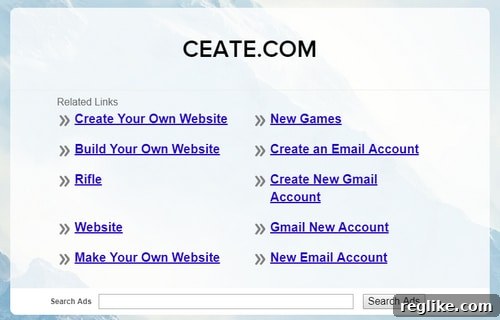
CEAT already owns the domain CEAT.com, a domain they successfully acquired through a UDRP (Uniform Domain Name Dispute Resolution Policy) filing back in 2011. However, that case wasn’t without its dissent. Panelist Neil Anthony Brown expressed differing views in the 2011 case and was also a member of the panel reviewing the more recent CEATE.com dispute.
The crux of the current issue revolves around the domain name CEATE.com. According to the World Intellectual Property Organization (WIPO) decision, CEAT is accused of manipulating evidence to suggest that the parked domain at CEATE.com was displaying advertisements related to tires, specifically CEAT tires. The alleged method involved entering the search query “ceat tyre company” into the search box of the parked domain, seemingly to generate targeted ads.
The three-person panel meticulously reviewed the evidence presented. Their findings were damning for CEAT. The panel concluded that the screenshots submitted by CEAT, intended to demonstrate the disputed domain name’s connection to CEAT’s trademark, were “clearly fabricated in an attempt to create evidence of the Respondent’s bad faith.” This strong statement underscores the severity of the panel’s concerns regarding the authenticity of the evidence.
As a result of these findings, the panel determined that CEAT had engaged in reverse domain name hijacking. Reverse domain name hijacking occurs when a trademark holder attempts to unfairly acquire a domain name from its legitimate owner, often through legal means or threats of legal action. This is considered an abuse of the domain name dispute resolution process.
CEAT was represented in this case by the law firm DePenning & DePenning. Interestingly, this firm has a prior history of representing clients in reverse domain name hijacking cases. The domain owner of CEATE.com, on the other hand, was represented by Zak Muscovitch, a well-known and respected domain name attorney.
Understanding Reverse Domain Name Hijacking
Reverse domain name hijacking is a significant concern within the domain name industry. It highlights the potential for abuse of the UDRP system and underscores the importance of presenting truthful and accurate evidence during domain name disputes. The WIPO’s decision in this case serves as a warning to companies that attempt to manipulate evidence or unfairly acquire domain names.
The consequences of being found guilty of reverse domain name hijacking can be substantial. While there are no direct financial penalties levied by WIPO, the negative publicity and reputational damage can be significant. Furthermore, the legal fees and expenses associated with defending against a reverse domain name hijacking claim can be considerable.
The Importance of Domain Name Due Diligence
This case also emphasizes the importance of conducting thorough due diligence before initiating a domain name dispute. Companies should carefully assess the evidence and ensure its accuracy and authenticity. Failing to do so can not only result in a negative outcome but can also expose the company to accusations of reverse domain name hijacking.
For domain name owners, this case serves as a reminder that they have rights and should not be intimidated by larger companies seeking to acquire their domain names. Seeking legal counsel from an experienced domain name attorney can be invaluable in protecting their interests.
The Role of WIPO in Domain Name Disputes
The World Intellectual Property Organization (WIPO) plays a crucial role in resolving domain name disputes through its UDRP system. The UDRP provides a streamlined and cost-effective alternative to traditional litigation for resolving disputes over domain names that infringe on trademarks. WIPO’s decisions in these cases help to establish precedents and guide future disputes.
The UDRP process involves submitting a complaint to an approved dispute resolution service provider, such as WIPO. A panel of independent experts reviews the evidence and makes a decision based on the UDRP policy. The policy requires the complainant to prove that the domain name is identical or confusingly similar to its trademark, that the domain name owner has no legitimate rights or interests in the domain name, and that the domain name was registered and is being used in bad faith.
CEAT’s Reputation and Future Implications
The allegations against CEAT have the potential to damage the company’s reputation, particularly in the global market. Consumer trust is paramount in the tire industry, and accusations of unethical behavior can erode that trust. It remains to be seen how CEAT will address these allegations and what steps they will take to mitigate any potential damage to their brand.
The outcome of this case could also have broader implications for the domain name industry. It reinforces the importance of ethical behavior and serves as a deterrent to companies that might be tempted to engage in reverse domain name hijacking. WIPO’s strong stance against fabricated evidence sends a clear message that such behavior will not be tolerated.
The Significance of Zak Muscovitch’s Involvement
The representation of the domain owner by Zak Muscovitch adds another layer of significance to this case. Muscovitch is a highly respected domain name attorney with a long track record of successfully representing domain name owners in disputes. His involvement underscores the seriousness of the case and the determination of the domain owner to defend their rights.
Muscovitch’s expertise in domain name law and his deep understanding of the UDRP process were undoubtedly valuable assets in this case. His ability to present a compelling defense against CEAT’s claims and to expose the fabricated evidence played a key role in the panel’s decision.
Lessons Learned from the CEAT Case
The CEAT case offers several important lessons for both trademark holders and domain name owners:
- Honesty is the best policy: Presenting truthful and accurate evidence is crucial in any domain name dispute. Fabricating evidence is not only unethical but can also have serious consequences.
- Due diligence is essential: Conduct thorough due diligence before initiating a domain name dispute to ensure that the evidence is sound and the claims are justified.
- Domain name owners have rights: Domain name owners have the right to defend their domain names against unfair attempts to acquire them.
- Seek expert legal advice: Consult with an experienced domain name attorney to understand your rights and options.
In conclusion, the CEAT case serves as a cautionary tale about the dangers of reverse domain name hijacking and the importance of ethical behavior in the domain name industry. WIPO’s decision to condemn CEAT’s actions sends a clear message that such behavior will not be tolerated and that domain name owners have the right to defend their legitimate interests.