
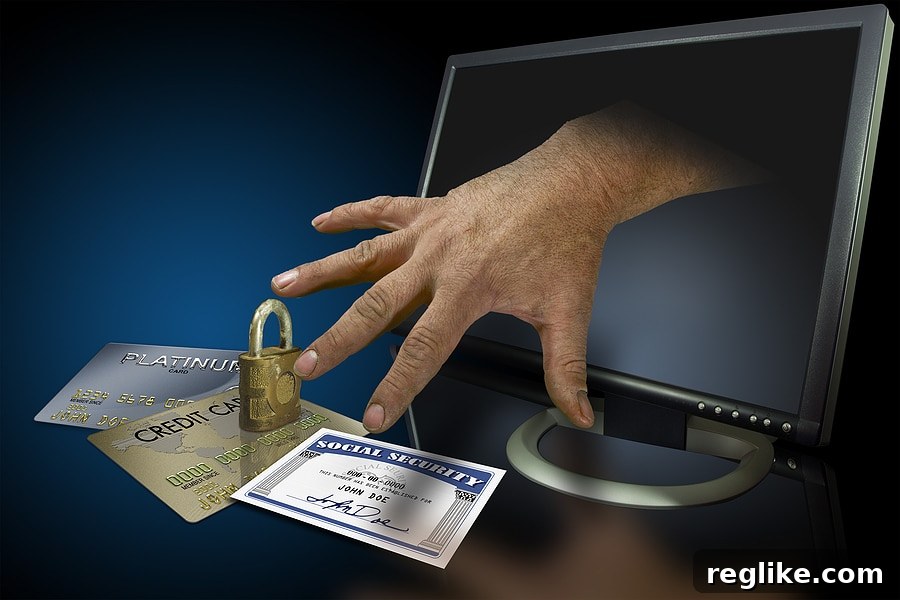
Domain Name Identity Theft: What Happens When Someone Uses Your Information?
The digital world offers incredible opportunities, but it also presents risks. One of the most concerning is identity theft, which can extend to unexpected areas like domain name registration. Imagine discovering that someone has used your personal information to register a domain name. This scenario, while alarming, is becoming increasingly common and raises critical questions about online security and personal data protection.
This article delves into the complexities of domain name identity theft, exploring a real-world case where the domain registrant claimed to be a victim of identity theft. We’ll examine the vulnerabilities in the domain registration process, the legal recourse available, and practical steps you can take to safeguard your information.
A Cybersquatting Dispute and an Unusual Defense
In a recent cybersquatting dispute involving the domain name zscalers .com, the named registrant presented an unusual defense. Rather than disputing the claims of cybersquatting, the registrant argued that they were, in fact, a victim of identity theft and had not registered the domain name in question or any domain names at all. This defense highlights a significant weakness in the domain registration system: the ease with which someone can provide false information.
During domain registration, most registrars primarily verify the validity of the email address provided. This minimal verification process leaves the door open for malicious actors to input false names, addresses, and other personal details. In the zscalers .com case, the panelist, Debrett Lyons, decided to make the respondent’s name public despite the identity theft claim. Lyons stated the following reasons:
“As stated earlier, Respondent contends that it has been the victim of identity theft. Specifically, on February 24, 2022, the Forum received an email from Respondent stating that he did not own any domains. In certain circumstances the Panel has the discretion to redact information, including the name of a party, from the published decision…
The Panel takes account of the following matters in its decision not to redact the name of the domain name holder as Respondent in its decision. Respondent’s February 24, 2022, message does not request redaction of its name from any final decision. Respondent had until March 9, 2022, to provide the Forum with a formal Response; it did not. Respondent has not provided any other elaboration or evidence of its claim of stolen identity. Respondent’s name was shielded by a privacy service.”
However, several of these justifications are questionable when carefully considered.
Analyzing the Panelist’s Rationale
Let’s break down the panelist’s rationale and examine its validity:
- “Respondent’s February 24, 2022, message does not request redaction of its name from any final decision.”
This argument assumes that someone who has had their identity stolen and used to register a domain name would be familiar with the intricacies of the Uniform Domain Name Dispute Resolution Policy (UDRP) process and the potential publication of their name. In reality, a victim of identity theft may not be aware of these details and might not even realize their information has been misused until they are notified of the UDRP filing.
- “Respondent had until March 9, 2022, to provide the Forum with a formal Response; it did not.”
Again, this assumes that the victim of identity theft would be motivated to mount a formal defense of a domain name they claim not to own. If someone believes they are not the rightful owner of the domain, they are unlikely to invest time and resources in defending it, especially if they lack experience with UDRP proceedings.
- “Respondent has not provided any other elaboration or evidence of its claim of stolen identity.”
This is the most reasonable part of the panelist’s justification. While the initial claim of identity theft raises concern, the lack of supporting evidence naturally creates doubt. Providing documentation like a police report or an affidavit could have strengthened the respondent’s case. It’s crucial for individuals claiming identity theft to provide as much supporting evidence as possible to substantiate their claims.
- “Respondent’s name was shielded by a privacy service.”
The use of a privacy service, such as Domains by Proxy, can obscure the true identity of the domain registrant. While it might seem suspicious, it is a legitimate and widely used service to protect personal information from public view. The panelist’s implication that the use of a privacy service automatically suggests wrongdoing is flawed. Domain privacy is a standard practice, and drawing conclusions solely based on its use can be misleading.
Many domain registrars now automatically include Whois privacy with domain registrations, further complicating the interpretation of this factor. Panelists should exercise caution when drawing conclusions based on the presence or absence of Whois privacy, as it may not accurately reflect the intent or actions of the registrant.
The Complainant’s Allegations and the Importance of Caution
In the zscalers .com case, the complainant alleged that the domain registrant impersonated someone in their collections department to perpetrate scams. This strongly suggests that the registrant likely used fake information during the registration process to conceal their identity and actions. This highlights the ease with which individuals can exploit the vulnerabilities in the domain registration system for malicious purposes.
Given the circumstances, it is important to protect the privacy of the potentially innocent party involved. Therefore, I have chosen not to link to the National Arbitration Forum case decision or publicly name the respondent. This decision reflects a commitment to responsible reporting and a concern for the potential harm that could be caused by further publicizing the individual’s information.
Protecting Yourself from Domain Name Identity Theft
The zscalers .com case serves as a stark reminder of the risks associated with domain name identity theft. While it’s impossible to eliminate the risk entirely, there are steps you can take to protect yourself:
- Monitor Your Credit Report: Regularly review your credit report for any unauthorized activity, which could indicate identity theft.
- Use Strong, Unique Passwords: Create strong, unique passwords for all your online accounts, including your domain registrar account. Avoid using the same password across multiple platforms.
- Enable Two-Factor Authentication: Whenever possible, enable two-factor authentication (2FA) for added security. This adds an extra layer of protection to your accounts, making it more difficult for unauthorized users to gain access.
- Be Cautious of Phishing Scams: Be wary of phishing emails and other scams that attempt to trick you into revealing your personal information. Never click on suspicious links or provide sensitive information to untrusted sources.
- Consider Whois Privacy: Use a Whois privacy service to mask your personal information in the public Whois database. This can help prevent identity thieves from accessing your name, address, and phone number.
- Regularly Check Your Domain Registrations: Periodically review your domain name registrations to ensure that they are accurate and that no unauthorized domains have been registered using your information.
- Set Up Domain Monitoring: Consider using a domain monitoring service that alerts you to any changes made to your domain name registrations, such as changes to the contact information or nameserver settings.
The Future of Domain Name Security
The current domain registration system relies heavily on trust and minimal verification. To combat identity theft and other forms of domain abuse, stricter verification procedures are needed. This could include verifying the identity of registrants through government-issued IDs or other reliable means.
Furthermore, increased transparency and cooperation between domain registrars, law enforcement agencies, and cybersecurity professionals are essential to effectively combat domain name identity theft. By working together, we can create a safer and more secure online environment for everyone.
Conclusion
Domain name identity theft is a serious issue that can have significant consequences for individuals and businesses. By understanding the risks, taking proactive steps to protect your information, and advocating for stronger security measures, you can help mitigate the threat of domain-related identity theft. The zscalers .com case serves as a crucial reminder of the vulnerabilities in the current system and the importance of vigilance in the digital age. Staying informed and taking preventative measures is crucial for safeguarding your online identity and protecting yourself from potential harm.