
Don King’s “People’s Internet” Concept Unveiled at TRAFFIC Conference in Miami: A Deep Dive
Renowned boxing promoter Don King recently took center stage at the TRAFFIC conference in Miami, Florida. His purpose? To introduce and promote what he passionately refers to as the “People’s Internet.” While the exact nature and mechanics of this initiative remained somewhat elusive, King emphasized its potential to revolutionize online broadcasting, empowering individuals to instantly share their perspectives and content with the world.
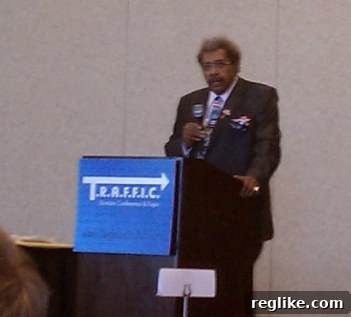
King elaborated on his vision, describing a system designed to facilitate real-time content creation and dissemination. He highlighted the use of two specially equipped “First Amendment” trucks, intended to capture video footage and conduct spontaneous “man on the street” interviews. These trucks, he suggested, would serve as mobile broadcasting units, enabling citizens to directly contribute to the digital landscape and bypass traditional media gatekeepers.
Addressing the TRAFFIC conference audience, composed largely of domain name experts and internet entrepreneurs, King acknowledged the critical role of domain names in establishing a strong online presence. He stated, “Domain name is the name, now you must have the content…you have to have something sound on the ground when you’re around.” This statement underscored the importance of pairing a memorable and relevant domain name with compelling and engaging content to attract and retain an audience.
Promoting an Upcoming Event in Miami
Beyond the “People’s Internet” concept, King also used his platform to promote an upcoming event scheduled for December 17th at the American Airlines Arena in Miami. Described as a festival blending elements of boxing and other entertainment, the event promises a unique and engaging experience for attendees. Details surrounding the “something else” component of the event remained somewhat vague, adding an element of intrigue and anticipation.
While King’s passion and enthusiasm were undeniable, some attendees found it challenging to fully grasp the intricacies of the “People’s Internet” initiative. The presenter of this article was among them, struggling to discern the concrete details of the concept. The hope is that more concrete details will emerge and become more transparent in the coming weeks.
Decoding the “People’s Internet”: A Closer Look
Despite the initial ambiguity, let’s try to unpack some of the potential implications and possibilities surrounding King’s “People’s Internet” concept. At its core, the idea seems to revolve around democratizing content creation and distribution. By providing tools and infrastructure that allow individuals to bypass traditional media outlets, King envisions a more decentralized and participatory online environment.
The “First Amendment” trucks, in particular, represent a tangible effort to facilitate this democratization. By capturing video and conducting interviews directly in public spaces, these mobile broadcasting units could empower ordinary citizens to share their stories, perspectives, and opinions with a global audience. This approach aligns with the broader trend of citizen journalism and the increasing accessibility of media production tools.
The Significance of Content in the Digital Age
King’s emphasis on the importance of content echoes a fundamental truth in the digital age. A compelling domain name may attract initial attention, but it is the quality and relevance of the content that ultimately determines a website’s success. In an increasingly crowded online landscape, standing out requires creating content that is engaging, informative, and valuable to the target audience. Whether it is blog posts, videos, podcasts, or interactive experiences, content is the fuel that drives online engagement and builds lasting relationships.
To this end, the “People’s Internet” concept could potentially provide a platform for individuals to showcase their unique talents and perspectives. By lowering the barriers to entry for content creation and distribution, it could foster a more diverse and vibrant online ecosystem. However, the success of such an initiative would depend on addressing key challenges, such as content moderation, ensuring accuracy, and protecting intellectual property rights.
Anticipation Builds for the Miami Event
The upcoming event at the American Airlines Arena in Miami adds another layer of intrigue to King’s activities. The combination of boxing and other entertainment elements suggests a desire to create a broad appeal and attract a diverse audience. The event could serve as a platform to further promote the “People’s Internet” concept and demonstrate its potential to connect people and facilitate shared experiences. Further details surrounding the event will be crucial to its potential success.
The Future of Online Broadcasting: Awaiting Clarity
While Don King’s “People’s Internet” remains somewhat shrouded in mystery, it undoubtedly sparks a conversation about the future of online broadcasting. The idea of empowering individuals to directly contribute to the digital landscape is compelling, and the use of “First Amendment” trucks represents a concrete step in that direction. However, further clarification and a detailed explanation of the underlying technology are needed to fully assess the potential of this initiative. As more information becomes available, it will be interesting to observe how the “People’s Internet” evolves and whether it lives up to its ambitious goals.
For now, we await further developments and encourage anyone in the audience who gained further insights at the TRAFFIC Conference to share their understanding. The potential of a truly democratized internet is immense, and Don King’s efforts, however enigmatic, deserve attention and critical evaluation. The convergence of domain expertise, content creation, and accessible broadcasting tools could reshape the online landscape in profound ways.
Beyond the Initial Buzz: Sustainability and Scalability
Beyond the initial enthusiasm and innovative concept, long-term sustainability and scalability pose critical questions for the “People’s Internet.” How will the initiative be funded? What infrastructure will support the anticipated influx of user-generated content? And how will it compete with established platforms that already boast massive audiences and sophisticated content delivery networks?
Addressing these challenges will require a well-defined business model, a robust technological infrastructure, and a clear strategy for attracting and retaining users. Partnering with existing technology providers, leveraging cloud computing resources, and implementing effective monetization strategies will be essential for ensuring the long-term viability of the “People’s Internet.”
Content Moderation and Responsible Use
Another critical consideration is content moderation. In an open platform where anyone can share their thoughts and ideas, ensuring responsible use and preventing the spread of misinformation and harmful content becomes paramount. Implementing robust content moderation policies, leveraging artificial intelligence tools, and empowering users to report inappropriate content will be essential for creating a safe and trustworthy online environment. Striking a balance between free expression and responsible content management will be a key challenge.
The Potential for Innovation and Collaboration
Despite the challenges, the “People’s Internet” also presents significant opportunities for innovation and collaboration. By creating a platform for individuals to connect, share ideas, and collaborate on projects, it could foster a vibrant ecosystem of creativity and innovation. Encouraging partnerships with artists, entrepreneurs, and community organizations could further amplify the impact of the initiative and contribute to its long-term success. The key will be to create a welcoming and inclusive environment that empowers individuals to reach their full potential.