
Domain Name Parking: A Risky Business for Brand Protection?
In the complex landscape of online branding and domain name management, a practice known as “domain parking” has emerged as both a potential revenue stream and a significant risk factor. Domain parking involves registering a domain name with the intent of generating revenue through advertising or by selling the domain itself. While seemingly straightforward, this practice can become a legal minefield, particularly when the content displayed on the parked page conflicts with established trademarks and brand identities.
The Case of Whistles.com: A Cautionary Tale
A recent dispute involving Whistles Limited, a prominent UK women’s clothing brand, highlights the potential pitfalls of domain parking. Whistles Limited has initiated a Uniform Domain-Name Dispute-Resolution Policy (UDRP) proceeding against the owner of Whistles.com. The clothing brand’s official website is located at Whistles.co.uk, making the existence of Whistles.com a potential source of customer confusion and brand dilution.
While a UDRP filing against a generic domain name might initially seem like an overreach, the specific circumstances surrounding Whistles.com warrant a closer examination. The content displayed on the parked page is what elevates this case beyond a simple dispute over a common word. The current state of the Whistles.com website serves as a stark reminder of the importance of carefully managing the content associated with parked domain names.
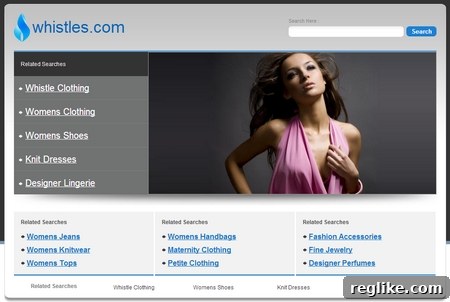
A screenshot of the Whistles.com parked page, illustrating the type of content that can trigger a UDRP complaint.
The Debate Surrounding Domain Parking
The Whistles.com case has reignited the ongoing debate about the ethics and legal implications of domain parking. Experts in the domain name industry have long cautioned against the indiscriminate parking of domain names, particularly those that closely resemble existing brands or trademarks. The potential for consumer confusion and the risk of cybersquatting complaints are significant concerns.
Bill Sweetman of Name Ninja, a respected voice in the domain name community, has strongly advised against parking domain names as a strategy to minimize the risk of facing cybersquatting accusations. His argument is that parked pages, especially those displaying irrelevant or potentially infringing content, can be interpreted as evidence of bad faith intent on the part of the domain name registrant.
This perspective has sparked considerable discussion within the domain name industry, with domain attorney John Berryhill offering a nuanced perspective on the issue. The debate centers on the type of content that is deemed acceptable on a parked page and the extent to which domain owners should be held responsible for the actions of third-party advertising networks.
Strategic Domain Parking: A Fine Line
While indiscriminate domain parking can be risky, there are instances where a strategic approach can be beneficial. For example, if a domain name contains keywords related to a specific industry or product category, displaying relevant links and advertisements can be considered a legitimate use of the domain. This approach can demonstrate that the domain owner has a genuine interest in the subject matter and is not simply trying to profit from the goodwill of an established brand.
A previous UDRP case involving the domain name Digilove.com provides a compelling example of how relevant content can strengthen a domain owner’s defense. In that case, the panel ruled that displaying links related to dating services constituted a bona fide use of the domain name. The presence of dating-related content helped to convince the panel that the domain owner had legitimate interests in the domain and was not acting in bad faith.
Applying the Lessons to Whistles.com
Returning to the Whistles.com case, the key question is whether the content displayed on the parked page could be interpreted as an attempt to capitalize on the reputation of Whistles Limited. Even though the domain name was registered years after the clothing brand was founded, the presence of clothing-related advertisements on the parked page could be seen as evidence of bad faith intent.
If the Whistles.com parked page had instead displayed links to whistles or other related products, the domain owner might have had a stronger defense against the UDRP complaint. Such content could have been interpreted as a legitimate use of the domain name, demonstrating a genuine interest in the subject matter rather than an attempt to profit from the brand recognition of Whistles Limited. However, the decision to display links to clothing significantly weakens the domain owner’s position and increases the likelihood of a ruling in favor of the clothing brand.
Best Practices for Domain Name Management
The Whistles.com case underscores the importance of proactive domain name management and the need to carefully consider the implications of domain parking. To mitigate the risk of UDRP disputes and legal challenges, domain owners should adhere to the following best practices:
- Avoid Registering Domain Names That Infringe on Trademarks: Conduct thorough trademark searches before registering a domain name to ensure that it does not infringe on the rights of existing brands.
- Carefully Curate Parked Page Content: Ensure that the content displayed on parked pages is relevant to the domain name and does not create the impression of affiliation with or endorsement by a third-party brand.
- Consider Developing the Domain Name: If you have no immediate plans to develop a domain name, consider creating a simple landing page that provides information about your intentions for the domain.
- Monitor Your Domain Portfolio: Regularly monitor your domain names for potential trademark infringements or other legal issues.
- Seek Legal Advice: If you receive a UDRP complaint or other legal threat, consult with an experienced domain name attorney to assess your options and develop a defense strategy.
Conclusion: Navigating the Domain Name Landscape
Domain name parking can be a valuable tool for generating revenue and managing online assets, but it is essential to approach this practice with caution and awareness of the potential risks. By carefully curating parked page content, avoiding trademark infringements, and seeking legal advice when necessary, domain owners can minimize the risk of UDRP disputes and protect their online investments. The Whistles.com case serves as a valuable reminder that domain name management is not simply about registering a catchy domain; it is about understanding the legal and ethical implications of your online presence and acting responsibly to protect the rights of others.