
Domain Name Dispute: Allegations of Trademark Forgery in ChafeZero.com Case
A panelist at the World Intellectual Property Organization (WIPO) has described a recent domain name dispute as “one of the most egregious” cases of reverse domain name hijacking after discovering that the complainant allegedly used forged U.S. trademark documents in an attempt to seize the domain name.
The case revolves around the domain name ChafeZero.com, and the complaint was filed by AK Associates, LLC, and Alina Chung. The WIPO panel’s decision outlines the details of the dispute and the panel’s findings regarding the alleged fraudulent activity.
Initial Attempt to Purchase the Domain
According to the WIPO decision, the complainants initially attempted to purchase the domain name ChafeZero.com through a brokerage service, believed to be GoDaddy. They offered $200 for the domain, but the domain owner rejected the offer and explicitly stated that the domain was not for sale. Despite this clear communication, the complainants later argued that the domain was registered with the intention of being sold, a claim that the panel found unconvincing.
The Forged Trademark Documents
The most concerning aspect of the case is the allegation that the complainants submitted forged documents as evidence in their UDRP (Uniform Domain Name Dispute Resolution Policy) complaint. These documents purportedly showed that they owned a registered trademark for “CHAFEZERO” in the United States, which would strengthen their claim to the domain name.
The complainants had filed two trademark applications in July of the same year. Given the timeline, it was highly improbable that either application would have been fully processed and registered by the time they filed the UDRP complaint. Trademark registration processes typically take significantly longer than a few months.
Panelist Steven Maier highlighted the specific document in question, describing it as:
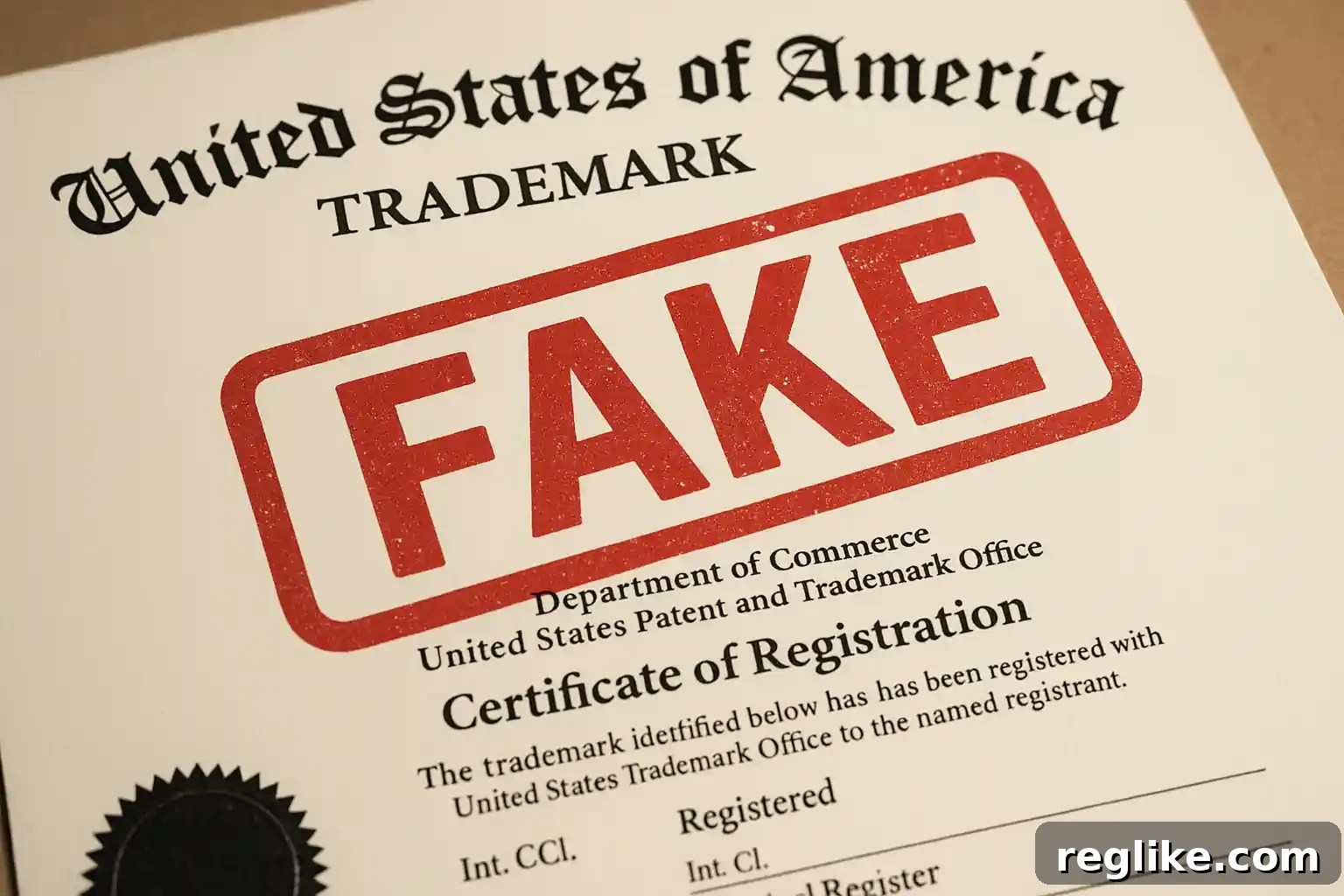
“what purports to be a certificate of registration issued by the United States Patent and Trademark Office (“USPTO”) stating that the mark CHAFEZERO was registered under registration number 99307329 on July 29, 2025. The document includes what appears to be an official seal, together with the signature of the former Director of the United States Patent and Trademark Office;”
Maier concluded that the document was a forgery because the trademark was, in reality, merely an application, not a registered trademark. This discrepancy raised serious concerns about the complainants’ intentions and the validity of their entire UDRP claim.
Furthermore, the complainants allegedly included other communications from the U.S. Patent and Trademark Office that Maier determined were also forged. The nature of these other communications was not explicitly detailed in the provided context, but their inclusion further solidified the panel’s belief that the complainants were attempting to deceive the UDRP process.
Reverse Domain Name Hijacking
Based on the evidence presented, the WIPO panel concluded that the complainants were engaged in reverse domain name hijacking (RDNH). RDNH occurs when a trademark owner or claimant attempts to use the UDRP process to unfairly acquire a domain name from a legitimate registrant. This is often done through frivolous claims or, as in this case, alleged fraudulent activity.
In his finding of reverse domain name hijacking, panelist Maier wrote:
“The Panel can only reasonably conclude, therefore, that the Complainants have attempted to pervert the process of the UDRP by the submission of forged documents in support of their Complaint, which they know, or should have known, had no reasonable prospect of success. The Panel further notes the apparently false certification provided by the Complainants, namely, that the information contained in the Complaint was complete and accurate to the best of their knowledge, and was not being presented for any improper purpose. Accordingly, the Panel has no hesitation finding this to be a case of Reverse Domain Name Hijacking, and indeed one of the most egregious such cases that the Panel has encountered.”
This statement underscores the severity of the complainants’ alleged actions. The panel believed that the complainants knowingly submitted false evidence with the intent of misleading the UDRP process and unfairly obtaining the ChafeZero.com domain name. The panel also emphasized the false certification provided by the complainants, where they attested to the accuracy and completeness of the information presented in their complaint.
Implications of Trademark Forgery and RDNH
The implications of this case extend beyond the specific dispute over ChafeZero.com. The use of forged documents in legal proceedings, including domain name disputes, undermines the integrity of the entire system. It can lead to unjust outcomes and erode trust in the processes designed to protect intellectual property rights.
Reverse domain name hijacking, in general, can have a chilling effect on legitimate domain name registrations. Domain owners may become hesitant to invest in or develop their domain names if they fear being unfairly targeted by trademark owners seeking to acquire their domains. This can stifle innovation and limit the potential of the internet as a platform for commerce and communication.
The UDRP process is designed to provide a relatively quick and inexpensive way to resolve domain name disputes involving trademark infringement. However, it is crucial that all parties involved act in good faith and present accurate information. The submission of forged documents or the pursuit of frivolous claims can undermine the effectiveness of the UDRP and lead to unnecessary costs and delays for all parties involved.
Protecting Against RDNH
Domain name registrants can take steps to protect themselves against reverse domain name hijacking. These steps include:
- Maintaining accurate and up-to-date contact information in the WHOIS database.
- Registering domain names that are relevant to their business or personal interests.
- Responding promptly to any inquiries or complaints regarding their domain names.
- Seeking legal advice if they believe they are being unfairly targeted by a trademark owner.
Trademark owners should also be aware of the potential for RDNH and avoid pursuing frivolous claims or using unethical tactics to acquire domain names. It is essential to conduct thorough due diligence before initiating a UDRP complaint and to ensure that all information presented is accurate and truthful.
Conclusion
The ChafeZero.com case serves as a stark reminder of the importance of integrity and ethical conduct in domain name disputes. The alleged use of forged trademark documents by the complainants highlights the potential for abuse of the UDRP process and the need for vigilance in protecting against reverse domain name hijacking. This case underscores the serious consequences of attempting to deceive the UDRP panel and the importance of upholding the integrity of the intellectual property system. Domain owners and trademark holders alike must act responsibly and ethically to ensure that the UDRP process remains a fair and effective mechanism for resolving domain name disputes.
The WIPO panel’s strong condemnation of the complainants’ actions sends a clear message that such behavior will not be tolerated and that those who attempt to manipulate the UDRP process will face serious consequences. This case sets a precedent for future disputes and reinforces the importance of honesty and transparency in all intellectual property matters.