
Gstaad.com Domain Dispute: Tourism Group Loses Bid to Reclaim Expired Domain
A decade after letting the domain name expire, a tourism group’s attempt to reclaim Gstaad.com has failed in a highly detailed UDRP (Uniform Domain Name Dispute Resolution Policy) decision. This case highlights the importance of domain name management and the potential consequences of failing to renew a valuable online asset.
While the domain owner successfully defended against the UDRP complaint, a related court action in Switzerland still looms, presenting a continued legal challenge. This case serves as a valuable lesson for businesses and organizations that rely on domain names to represent their brand and reach their target audience. Understanding the complexities of domain ownership and potential legal ramifications is crucial in today’s digital landscape.
Background: The Gstaad.com Domain Dispute
Gstaad is a renowned ski and vacation destination located in the Swiss Alps. Gstaad Saanenland Tourismus, the official tourism board for the Gstaad region, initiated the domain dispute, seeking to regain control of Gstaad.com. The tourism board currently utilizes the domain Gstaad.ch for its primary online presence.
Interestingly, Gstaad Saanenland Tourismus previously owned Gstaad.com. However, in 2006, they neglected to renew the domain registration, leading to its expiration. This oversight opened the door for another party to acquire the valuable domain name.
The Acquisition and Subsequent Use of Gstaad.com
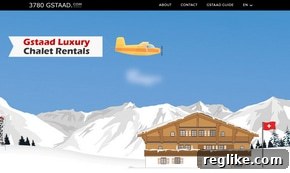
Dimitri Dimitriadis seized the opportunity and purchased Gstaad.com in an expired domain name auction for $31,250. Recognizing the domain’s potential, Dimitriadis began using it to promote businesses within the Gstaad area, including his own ventures. This proactive approach demonstrated a clear intent to utilize the domain for legitimate commercial purposes, a factor that would later prove crucial in the UDRP proceedings.
Almost immediately after registering the domain, Dimitriadis received communication from legal representatives of Gstaad Saanenland Tourismus. Dimitriadis’ legal counsel responded, outlining several reasons why a UDRP complaint would likely be unsuccessful. These communications, which occurred a decade prior to the UDRP filing, became a significant point of contention during the dispute. The initial legal response highlighted the importance of demonstrating legitimate interest and fair use of a domain name.
The UDRP Decision: A Win for the Domain Owner
When Gstaad Saanenland Tourismus eventually filed the UDRP complaint, they conspicuously omitted any mention of the prior discussions that had taken place a decade earlier. This omission raised concerns regarding the complainant’s transparency and potentially weakened their case. The omission of this crucial detail significantly impacted the panel’s assessment.
The three-person UDRP panel ruled in favor of Dimitriadis, finding that he possessed legitimate rights and interests in the domain name and that he had not registered it in bad faith. This victory was based on a comprehensive evaluation of the evidence and arguments presented by both parties. The panel’s decision emphasized the importance of demonstrating a legitimate use of the domain and the absence of malicious intent.
While the panel acknowledged giving “serious consideration” to a finding of reverse domain name hijacking (RDNH), they ultimately declined to make such a determination. However, the panel expressed significant concern that the complaint failed to disclose the previous communications between the parties in 2007. This lack of transparency was viewed negatively by the panel.
The panel also noted that this was the third UDRP case that the complainant had lost, suggesting that future panels might be less tolerant of similar filings. This statement serves as a warning to Gstaad Saanenland Tourismus against pursuing further UDRP complaints based on similar facts. The consistent losses highlight the need for a more strategic approach to domain name disputes.
Implications of the UDRP Decision
Although the panel did not find RDNH, their decision should discourage Gstaad Saanenland Tourismus from initiating future UDRP complaints with comparable circumstances. The detailed and well-reasoned decision in this case is likely to be cited in future domain name disputes, establishing a precedent for similar situations. This case underscores the importance of carefully considering the facts and legal precedents before initiating a UDRP complaint.
The legal representatives involved in the case were Weinmann Zimmerli, representing the complainant (Gstaad Saanenland Tourismus), and John Berryhill, representing the respondent (Dimitri Dimitriadis). Their respective legal expertise played a critical role in presenting their clients’ arguments and shaping the outcome of the UDRP proceedings. The complexity of domain name law often necessitates specialized legal counsel.
Key Takeaways for Domain Name Management
This case offers several valuable lessons for businesses and organizations regarding domain name management:
- Renewal is Crucial: Never allow valuable domain names to expire. Implement a robust domain name management system with automated renewal reminders.
- Proactive Use is Key: Demonstrate legitimate use of your domain names. Develop websites, create email addresses, or utilize them for other business purposes.
- Transparency Matters: Be transparent in all communications related to domain name disputes. Omitting crucial information can weaken your case.
- Legal Counsel is Essential: Seek expert legal advice when facing domain name disputes. A qualified attorney can help you navigate the complex legal landscape.
- Understand UDRP Policies: Familiarize yourself with the UDRP policies and procedures. This knowledge will help you assess the strength of your case and make informed decisions.
The Gstaad.com case serves as a cautionary tale, highlighting the potential consequences of neglecting domain name management. By proactively managing their domain portfolios and seeking expert legal guidance when necessary, businesses and organizations can protect their online brands and avoid costly legal battles.
In conclusion, the successful defense of Gstaad.com in the UDRP proceedings emphasizes the importance of legitimate domain usage and transparency in domain name disputes. While the related court action in Switzerland presents an ongoing challenge, the UDRP decision stands as a significant victory for the domain owner and a valuable lesson for all stakeholders in the digital landscape.