
Why Moniker Should Reconsider Using SnapNames for Silent Auctions
For years, Moniker’s legacy platform, specifically its “Marketplace Pro,” served as a reliable and efficient tool for conducting silent domain auctions. Launched in late 2006, Marketplace Pro was Moniker’s response to the growing domain aftermarket and provided a user-friendly environment for both buyers and sellers. While not without its imperfections, the platform was widely praised for its intuitive design and ease of use, making it a popular choice for domain enthusiasts.
However, in recent times, Moniker has shifted its silent auctions to SnapNames, a platform owned by its parent company, Oversee.net. While SnapNames undoubtedly boasts a large user base and increased visibility, this transition has been met with considerable criticism. Despite the potential benefits, the drawbacks of using SnapNames for silent auctions currently outweigh the advantages, leading many to believe that Moniker should revert to its tried-and-tested Marketplace Pro platform until the issues with SnapNames are resolved.
The Drawbacks of Using SnapNames for Silent Auctions
Several key factors contribute to the dissatisfaction with SnapNames as an auction platform. These issues range from a lack of essential features to a frustrating user experience, all of which hinder the efficiency and transparency of the auction process.
1. Absence of Categorization
One of the most significant shortcomings of SnapNames is the complete lack of domain categorization. In Marketplace Pro, users could easily filter and search for domains based on specific categories such as consumer goods, finance, technology, or travel. This feature allowed bidders to focus their attention on domains that aligned with their interests and investment strategies. The ability to narrow down the search significantly improved the user experience and made it easier to find valuable domain assets.
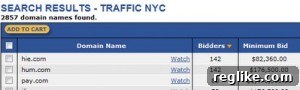
In contrast, SnapNames presents users with a single, lengthy list of domains in the silent auction. This lack of organization forces bidders to sift through a vast number of irrelevant domains, wasting time and potentially causing them to miss out on valuable opportunities. The absence of categorization is a major step backward in terms of usability and efficiency.
2. Cumbersome Checkout Process for Bidding
Another point of contention is the unnecessarily complicated bidding process on SnapNames. Instead of a straightforward bidding mechanism, users are required to add the desired domain to their cart and then proceed through a “checkout” process to place a bid. This extra step is not only illogical but also adds unnecessary friction to the bidding experience. The process feels unnatural and detracts from the overall user experience.
The checkout process is more suited for purchasing a domain outright, not for participating in a silent auction where bids may or may not be successful. By forcing bidders to go through this process, SnapNames creates a confusing and frustrating experience that could deter potential participants.
3. Lack of Transparency and Misleading Bid Counts
Perhaps the most significant and frustrating issue with SnapNames is the lack of transparency in its bidding system. The platform often displays misleading information about the number of bids on a domain, making it difficult to ascertain the true level of interest and competition.
For instance, bids placed on a domain before the official auction start date, even if they are below the reserve price, are counted as valid bids. This inflates the perceived demand for the domain and can mislead bidders into thinking that there is more competition than actually exists. To uncover the truth, users must add the domain to their watchlist and then meticulously review the bid history. This workaround is time-consuming and inconvenient, further adding to the frustration of using SnapNames.
The lack of transparency erodes trust in the auction process and makes it difficult for bidders to make informed decisions. Without accurate information about the true bidding activity, participants are at a disadvantage and may be hesitant to place competitive bids.
Why Marketplace Pro Was a Better Choice
Moniker’s legacy Marketplace Pro platform, despite its age, offered a far superior experience for silent domain auctions. Its intuitive interface, categorization features, and transparent bidding system made it a favorite among domain investors and enthusiasts.
The platform’s categorization functionality allowed users to quickly find domains within their areas of interest, saving time and improving the efficiency of the auction process. The bidding system was straightforward and transparent, providing accurate information about the number of bids and the current high bid.
While Marketplace Pro may not have had the same reach as SnapNames, its focus on user experience and transparency made it a more reliable and trustworthy platform for silent auctions. By prioritizing these qualities, Moniker created a positive environment for both buyers and sellers, fostering a thriving domain marketplace.
The Need for Improvement on SnapNames
While SnapNames offers a vast user base and potential visibility, its current implementation for silent auctions is flawed. The platform feels like a patchwork solution, hastily adapted to accommodate a function for which it was not originally designed. Before Moniker continues to rely on SnapNames for its silent auctions, significant improvements are necessary.
First and foremost, SnapNames needs to implement a proper categorization system for domains. This would allow users to easily filter and search for domains within specific niches, making the auction process more efficient and user-friendly.
Secondly, the bidding process needs to be streamlined. The current checkout procedure is unnecessary and confusing. SnapNames should implement a simpler, more intuitive bidding mechanism that allows users to place bids without having to go through a cumbersome checkout process.
Finally, SnapNames must improve the transparency of its bidding system. The platform should provide accurate information about the number of bids and the current high bid, without including misleading or irrelevant data. This would help to build trust and confidence in the auction process, encouraging more participation and competitive bidding.
Conclusion: A Call for Moniker to Reconsider
In conclusion, while the move to SnapNames for silent auctions may have been driven by the desire to leverage its larger user base and increased visibility, the current implementation is simply not up to par. The lack of categorization, the cumbersome bidding process, and the lack of transparency all contribute to a frustrating and inefficient experience for bidders.
Until these issues are addressed, Moniker should seriously consider reverting to its legacy Marketplace Pro platform for silent auctions. By prioritizing user experience and transparency, Moniker can create a more positive and productive environment for both buyers and sellers, fostering a thriving domain marketplace. While SnapNames may have the potential to be a valuable platform for silent auctions in the future, it is not yet ready to replace the reliability and efficiency of Marketplace Pro. Moniker should focus on improving SnapNames before fully committing to it as its primary auction platform.