
Navigating Global Unrest: Middle East Airspace Restrictions Complicate Travel to ICANN85 Mumbai
The highly anticipated ICANN85 conference, set to commence in the vibrant city of Mumbai on March 7th, is facing unprecedented travel challenges. A significant geopolitical conflict unfolding across the Middle East has instigated widespread airspace restrictions, casting a long shadow over the travel plans of delegates, experts, and stakeholders from around the globe. While India itself remains untouched by the direct conflict, the closure of critical airspace over major Middle Eastern travel hubs is creating a ripple effect that disrupts international aviation and global event logistics.
The Unfolding Crisis: Airspace Closures and Their Immediate Impact
The heart of the problem lies in the ongoing tensions and military actions in the Middle East. These developments have led to the sudden and indefinite closure of airspace over large sections of the region. Key aviation gateways, including but not limited to Dubai (UAE), Doha (Qatar), and potentially other hubs like Abu Dhabi and Kuwait City, have become either inaccessible or highly restricted for civilian air traffic. These cities are vital transit points for travelers connecting from Europe, Africa, and North America to destinations across Asia, particularly India.
The rationale behind these closures is directly tied to the volatile security situation, as nations involved – including the United States, Israel, and Iran – engage in actions that render the airspace unsafe for commercial flights. The unpredictability of these events means that the duration of these restrictions remains ambiguous, making it exceedingly difficult for airlines and passengers to plan effectively. This state of uncertainty has forced a complete rethinking of traditional flight paths, leading to significant delays, cancellations, and a scramble for alternative travel arrangements.
Airlines on the Brink: Navigating Reroutes and Cancellations
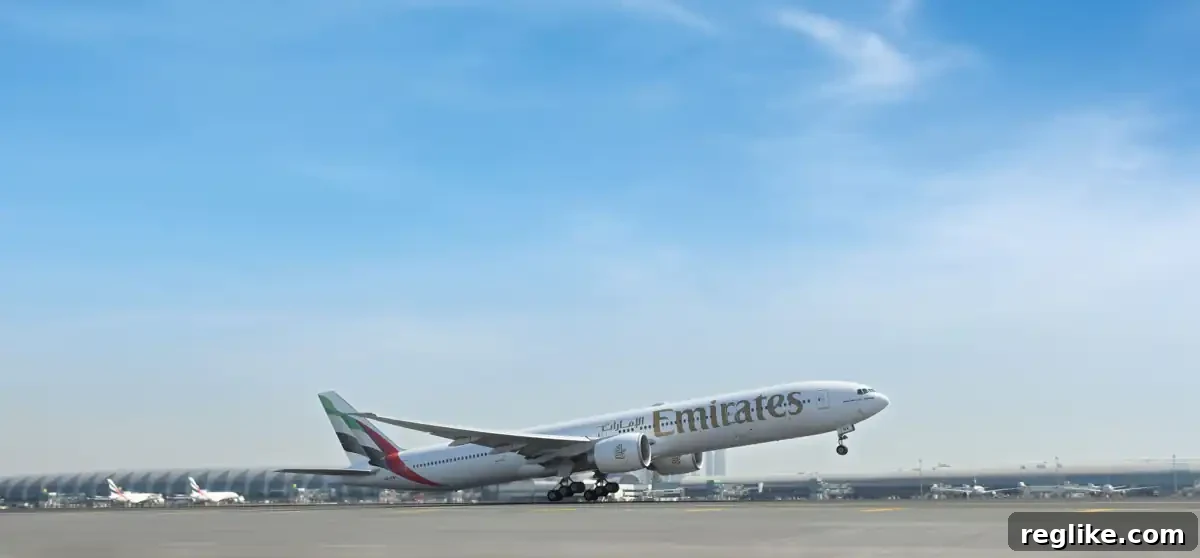
The impact on airlines, particularly those operating out of the affected hubs, has been immediate and severe. Emirates, a major global carrier with its primary hub in Dubai, has seen numerous flights to and from various destinations, including Mumbai, canceled or subject to extensive rerouting. What would typically be a direct or single-stop journey has now transformed into a convoluted travel ordeal, with passengers facing the prospect of multiple layovers, extended travel times, and significantly increased costs.
Airlines are compelled to find alternative routes that circumvent the closed airspace, often adding thousands of kilometers to their journeys. This not only burns more fuel and increases operational expenses but also places immense strain on crew scheduling and aircraft availability. For travelers, this translates into missed connections, prolonged hours spent in transit, and the psychological burden of uncertainty. The global aviation network is intricately linked, and the disruption in one critical region inevitably causes a cascading effect worldwide, impacting carriers far beyond the Middle East.
ICANN’s Stance: Commitment to ICANN85 Amidst Adversity
Despite the considerable travel hurdles, the Internet Corporation for Assigned Names and Numbers (ICANN) has confirmed that ICANN85 will proceed as scheduled in Mumbai. This decision underscores ICANN’s dedication to its mission of maintaining the security and stability of the internet’s unique identifier systems, even in the face of external geopolitical challenges. However, acknowledging the practical difficulties, ICANN has proactively reminded all registered attendees of the robust remote participation options available.
Remote participation serves as a critical contingency, allowing stakeholders who cannot physically reach Mumbai to engage fully with the conference proceedings. While virtual attendance offers flexibility and broad accessibility, it inherently alters the dynamic of an event traditionally known for its in-person networking, impromptu discussions, and collaborative sessions. The balance between ensuring broad participation and preserving the unique value of physical presence is a constant challenge for global organizations like ICANN, especially when confronted with unforeseen global disruptions.
A Recurring Challenge: Historical Context and Future Planning
This is not the first instance where geopolitical conflicts have forced ICANN to alter its event plans. Just last year, an ICANN meeting originally slated for Oman had to be relocated out of the region to Dublin. That decision was also a direct consequence of escalating tensions and Israeli actions affecting nearby airspace. This previous experience highlights a growing pattern: the increasing vulnerability of international event planning to regional conflicts and the imperative for organizations to develop highly adaptable and resilient strategies.
The Oman meeting, initially postponed, was rescheduled for later this fall. The current situation suggests that ICANN may face yet another critical decision regarding the fate of future meetings planned for the region, should the instability persist. This recurring need to relocate or adapt significant international events underscores the complexities of global event logistics in an increasingly interconnected yet volatile world. Organizations must now integrate robust risk assessment models and contingency planning as core components of their event management frameworks.
The Broader Implications: Beyond ICANN85 and Mumbai
The travel disruptions for ICANN85 are symptomatic of a larger issue affecting global connectivity. The Middle East serves as a crucial bridge for air traffic between continents, and its consistent instability has far-reaching consequences beyond just conference attendees. It impacts tourism, business travel, cargo logistics, and even humanitarian aid delivery. The economic fallout extends to airlines, airports, hotels, and local businesses in destination cities like Mumbai, which rely on the influx of international visitors.
While India itself is not directly involved in the Middle East conflict, its ability to host international events seamlessly is nevertheless impacted. The perception of ease of access plays a significant role in attracting future global conferences. Thus, even indirect exposure to geopolitical tensions can have a subtle but significant long-term effect on a nation’s standing as an international event hub.
Strategies for Travelers: Navigating the Uncertainty
For those still determined to attend ICANN85 in Mumbai, navigating the current travel landscape requires meticulous planning and flexibility. Attendees are strongly advised to:
- Contact Airlines Immediately: Verify flight status, potential reroutes, and rebooking options. Be prepared for extended wait times for customer service.
- Explore Alternative Routes: Consider flight paths that bypass the Middle East entirely, even if they are significantly longer and potentially more expensive. This might involve connecting through Europe (e.g., Frankfurt, London, Paris) or Southeast Asia (e.g., Singapore, Bangkok), depending on the origin.
- Allow Extra Travel Time: Factor in potential delays, missed connections, and longer overall journey durations. Arriving a day or two earlier might mitigate stress.
- Stay Informed: Monitor official announcements from ICANN, major news outlets, and airline advisories regarding airspace status and flight operations.
- Review Travel Insurance: Understand what your travel insurance covers in the event of cancellations, delays, or unforeseen circumstances related to geopolitical events.
- Utilize Remote Participation: As a viable backup, be prepared to leverage the remote participation options offered by ICANN if physical travel becomes untenable or too arduous.
Looking Ahead: The Future of Global Connectivity and Event Hosting
The ongoing challenges faced by ICANN85 attendees serve as a stark reminder of how quickly regional conflicts can have global repercussions. In an age where digital connectivity is paramount, the ability to convene physically remains a cornerstone for many international organizations, fostering direct collaboration, trust-building, and relationship development that virtual platforms can only partially replicate.
As the world continues to grapple with geopolitical instability, organizations like ICANN will increasingly need to build even more robust and agile event strategies. This includes diversifying potential host locations, enhancing remote participation infrastructure, and constantly assessing geopolitical risks. The resilience of the internet governance community and its commitment to ensuring a stable and secure internet, despite the formidable challenges, remains unwavering. The experience of ICANN85 in Mumbai will undoubtedly offer invaluable lessons for the future of global event planning and international collaboration in an ever-changing world.