
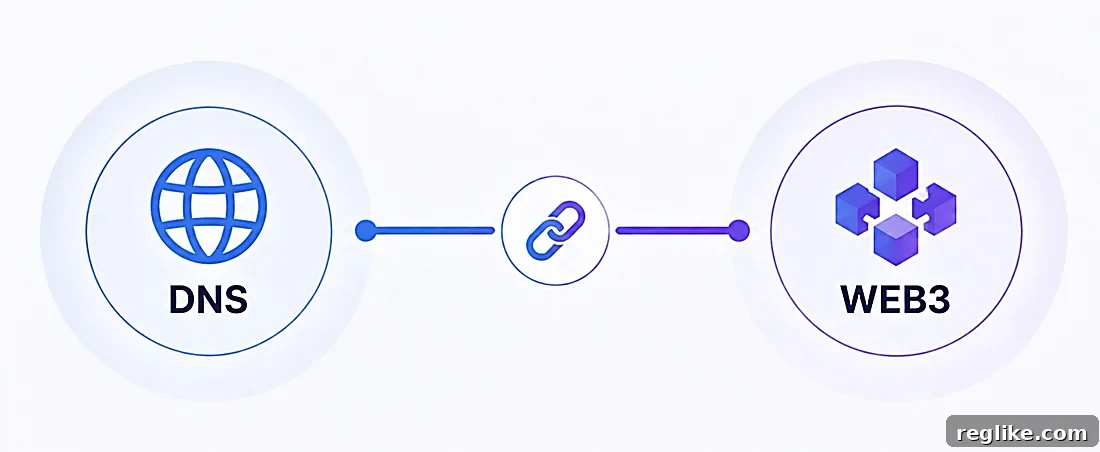
ICANN will study the risks of matching domain names across web3 namespaces
ICANN has announced the formation of a technical study group to examine integrations between traditional DNS top-level domains and identical names used in alternative naming systems, such as web3 namespaces. The initiative aims to clarify the technical, security, and policy implications of offering matching domain names across these different naming systems.
Interest in this topic has risen as companies prepare to apply for new top-level domains with plans to link them to blockchain-based naming systems. Prospective applicants want clear guidance about what kinds of integrations would be permitted, what would be disallowed, and which technical and procedural requirements would apply if they offer such services.
ICANN emphasized that registry operators proposing these integrations must submit them under the Registry Services Evaluation Policy (RSEP). In addition, ICANN expects that those proposals will require review by a Registry Service Technical Evaluation Panel to evaluate technical feasibility and potential risks.
So far, no registry has publicly filed an RSEP specifically for a web3 integration. ICANN stressed the need for a careful assessment, noting that “a thorough assessment of the potential impact to the security and stability of the Domain Name System (DNS) must be conducted before moving forward with this type of new registry service.”
The study group will need to complete its work promptly. The current application window for new top-level domains closes on August 12, and applicants are likely to seek clarity about integration requirements and expectations before submitting applications and paying associated fees.
By convening technical experts, ICANN aims to identify potential threats to DNS stability and security, define evaluation criteria for proposed services, and recommend safeguards or operational requirements where needed. The outcome should help applicants and registries understand compliance steps and provide a clearer path for any future integrations between legacy DNS and emerging naming systems.
Ultimately, the effort is intended to balance innovation with the protection of the DNS ecosystem, ensuring that any new registry services do not introduce unacceptable risks to Internet infrastructure or user safety.