
Stolen domain recovered through a cybersquatting claim.
Shri Dharmasthala recovers stolen domain name after UDRP proceedings
Shri Dharmasthala, a major religious and cultural institution in South India with a history stretching back more than eight centuries, has successfully regained control of its official domain name after a cybersquatting incident earlier this year. The domain, shridharmasthala.org, was originally registered in 2001 by the Shri Dharmasthala Manjunatheshwara Educational Society and is an important digital asset for the organization’s outreach and communications.
According to the Society’s complaint, the domain was fraudulently transferred without authorization. The registrar’s records indicated suspicious account activity beginning March 11, 2026, including logins from IP addresses located in Sweden and Switzerland, and subsequent activity from Japan following the transfer. The Society reported that two-factor authentication was not enabled on the registrar account and that the administrative email address associated with the account appeared in publicly reported data breaches. Those breaches likely exposed credentials used to access the account, and the Society further alleges that a coordinated assault included compromise of a linked Gmail account, which prevented the receipt of legitimate authorization notifications.
Faced with what it described as an unlawful transfer and loss of administrative control, the Shri Dharmasthala Manjunatheshwara Educational Society initiated a dispute under the Uniform Domain-Name Dispute-Resolution Policy (UDRP). The case was submitted to the Czech Arbitration Court, which appointed a UDRP panelist to consider the facts and legal claims. After reviewing the evidence, the panel concluded that the domain had been wrongfully obtained and ordered the transfer of shridharmasthala.org back to the Educational Society.
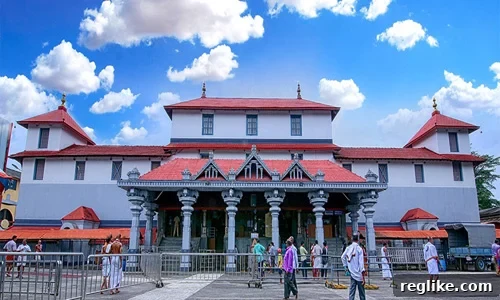
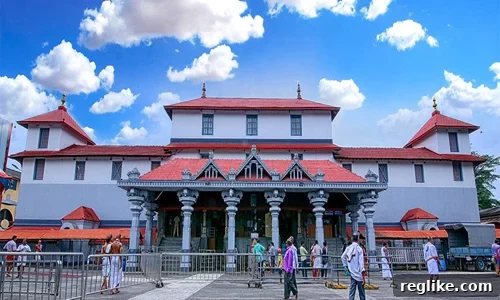
The successful recovery restores the Society’s ability to maintain an official online presence for the temple and its affiliated educational and charitable activities. Shri Dharmasthala is a prominent pilgrimage destination, drawing approximately 5.5 million devotees each year, and the domain plays a central role in providing information to visitors, devotees, students, and supporters worldwide.
The case underscores several important lessons for organizations that manage valuable domain names and digital identities. First, enabling security measures such as two-factor authentication and using unique, strong passwords for registrar and email accounts significantly reduces the risk of unauthorized access. Second, monitoring for account anomalies and promptly addressing exposures from data breaches can limit the damage if credentials are compromised. Finally, legal remedies such as UDRP proceedings remain effective avenues for recovering domain names that have been fraudulently transferred or registered in bad faith.
Ankur Raheja represented Shri Dharmasthala in the complaint and argued for the domain’s return. With the UDRP panel’s decision, the Society regained control of shridharmasthala.org, allowing it to resume full management of its online resources.
This outcome is a reminder for institutions of all sizes to prioritize domain security and proactive governance. Restoring the domain ensures that Shri Dharmasthala can continue to provide reliable, official information to its large and geographically diverse community of devotees, students, and visitors.