
Navigating Afternic Boost: A Strategic Guide for Domain Sellers Amidst Commission Changes
Domain investors and sellers utilizing Afternic’s prominent platform are currently at a critical juncture, facing significant adjustments to commission structures that could impact their profitability. Starting September 4, a new program dubbed “Afternic Boost” will officially launch, introducing a mandatory commission increase for all participants unless they actively choose to opt out. This article delves into the implications of Afternic Boost, offering a comprehensive analysis for domain owners contemplating their next strategic move.
Understanding Afternic Boost: New Commission Rates and Program Features
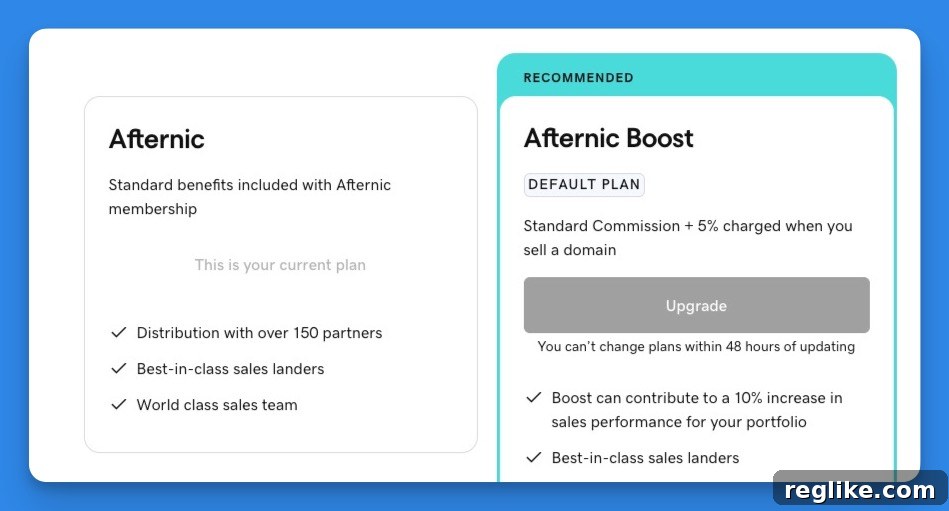
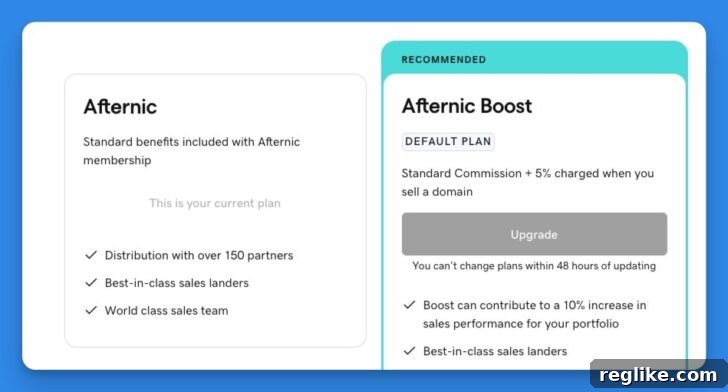
Afternic Boost represents a pivotal shift in the operational dynamics for selling domains through the Afternic DLS (Domain Listing Service) network. Effective September 4, the default commission rates for domain sales will see a notable escalation. For domains primarily parked with Afternic, the commission levied on a successful sale will rise from 15% to 20%. Similarly, for domains parked on external services but listed through Afternic, the commission will climb from 25% to 30%. This translates to a substantial increase across the board, compelling domain investors to re-evaluate their current sales strategies and financial models.
It’s crucial to understand that while Afternic Boost is being introduced with these new commission rates, many of the promotional features associated with the program have, in essence, been active for some time. These features are designed to enhance the visibility and selling potential of listed domains within the Afternic network. However, for any seller who decides to opt out of Afternic Boost, these supplementary promotional benefits will be deactivated, potentially impacting the reach and exposure of their domain portfolio. The decision, therefore, isn’t merely about commission percentages but also about the level of integrated promotion Afternic provides for its listings.
The Dilemma for Domain Investors: Opting In or Opting Out?
The announcement of Afternic Boost has placed a significant decision before every domain investor: whether to absorb the higher commissions for presumed enhanced services or to opt out and manage their portfolio under the previous structure, albeit with potentially reduced promotional exposure. For many, this decision is not taken lightly, as it directly impacts the profitability and efficiency of their domain sales operations.
My personal approach to this change has been to opt out of Afternic Boost, at least for the time being. This decision stems from a careful re-evaluation of my domain sales process, a practice I last undertook when Afternic previously adjusted its commission structure to favor domains pointed directly to their landers. That prior adjustment led me to consolidate a significant portion of my portfolio onto Afternic’s platform, optimizing for the lower commission rates then available. Now, this new development presents an opportune moment to once again critically assess and potentially redefine my overarching domain sales strategy.
Analyzing the Financial Implications: Is the Boost Worth the Cost?
The primary driver behind my decision to opt out is a fundamental economic calculation: the numbers simply don’t align in favor of the increased commission. As a proponent of the “recycling domain dollars” philosophy, where profits from sales are reinvested into acquiring more valuable domains, every percentage point of commission matters significantly. The current proposal introduces, on average, a 33% increase in commission rates across a diversified portfolio (e.g., moving from 15% to 20% for Afternic-parked domains represents a 33.3% increase in the commission portion).
Afternic might suggest that Boost could lead to a tangible increase in domain sales, perhaps by 10% or more, due to enhanced promotion. However, even if such an optimistic sales increase were to materialize, the economics remain challenging. With the increased commission applying to every single transaction, Afternic effectively captures a disproportionately large share of these additional sales. If sales increase by 10%, but the commission rate has jumped by 33%, Afternic’s take from that additional 10% in sales is substantially higher. In fact, if the commission applies to all transactions, Afternic could effectively be taking up to 70% of the *additional* revenue generated by these supposed increased sales, once the increased commission is factored across the entire sales volume. This scenario drastically erodes the potential net profit for the seller, making the boost appear less beneficial than initially presented. For domain investors operating on tight margins or seeking maximum reinvestment capital, this significantly higher overhead can be a deal-breaker.
Beyond Commissions: Addressing Broker Follow-Up and Control
The financial aspect is not the sole factor influencing my decision. Over time, I’ve observed growing inconsistencies and frustrations with the follow-up times and general responsiveness of Afternic’s domain brokers. The introduction of the Lead Center, which provides sellers with increased visibility into buyer inquiries and broker interactions, has paradoxically highlighted these discrepancies. There appears to be a lack of standardized rules or clear protocols governing how frequently Afternic’s brokers are expected to engage with prospective buyers. This inconsistency can lead to stalled negotiations, lost opportunities, and a general sense of inefficiency within the sales process.
This experience has reinforced my desire for greater control over my domain sales, particularly through self-brokering. While Afternic offers unparalleled reach for many domains, the human element of brokering, if inconsistent, can undermine even the best listing. The ability to directly manage inquiries, follow up promptly, and negotiate terms can often lead to quicker and more satisfactory outcomes, allowing sellers to maintain closer relationships with potential buyers and adapt strategies in real-time.
Rethinking Domain Sales Strategies: Diversification as a Core Principle
The changes introduced by Afternic Boost serve as a powerful catalyst for re-evaluating one’s entire domain sales ecosystem. In the volatile and dynamic domain aftermarket, relying on a single platform, no matter how dominant, can expose an investor to undue risk when that platform alters its terms. Therefore, diversification of sales channels and strategies emerges as an even more critical component of successful domain portfolio management.
While I intend to keep my current portfolio listed on Afternic to leverage its extensive buyer network, I am actively expanding my presence and optimizing listings across several other reputable services. This multi-pronged approach aims to mitigate the impact of Afternic’s commission changes, enhance overall sales velocity, and provide alternative avenues for successful domain monetization.
Exploring Alternative Domain Aftermarkets and Self-Brokering Services
In my quest for a more diversified and robust sales strategy, I am actively integrating other platforms and services into my workflow.
- Atom: This platform is increasingly making waves in the domain aftermarket with its innovative approaches to domain transactions. While I’ve found Atom’s user interface to be somewhat intricate and requiring a steeper learning curve, its strengths lie in its groundbreaking features and, crucially, its exceptional customer support. In an industry where timely and clear communication can make all the difference, Atom’s chat support consistently delivers prompt and accurate responses within minutes, which is invaluable for resolving issues and navigating complex transactions. Their commitment to seller support is a significant differentiator.
- Saw.com: Recognizing the growing need for greater control and the potential benefits of direct engagement with buyers, I plan to actively experiment with Saw.com for self-brokering more of my premium domains. Self-brokering offers the advantage of eliminating third-party commission splits, potentially maximizing profits for the seller, provided they have the expertise and time to manage the sales process themselves. Saw.com provides tools and a platform that can facilitate this direct approach, allowing me to take charge of negotiations and buyer interactions.
- Sedo: After a hiatus of over two years without a successful sale on Sedo, I’ve recently seen a resurgence in activity there, with at least one domain sold last month and another currently pending payment. This renewed traction underscores the importance of regularly updating and maintaining one’s portfolio across various platforms. Sedo remains a globally recognized and highly trafficked marketplace, attracting a diverse range of buyers. Re-engaging with Sedo and ensuring my listings are current and optimized there can unlock additional sales opportunities and reach segments of the market that might not be as active on Afternic. It serves as a potent reminder that the domain aftermarket is dynamic, and platforms can experience shifts in buyer behavior or market focus.
Practical Steps: How to Opt Out of Afternic Boost
For domain sellers who, like myself, decide that opting out of Afternic Boost aligns better with their financial goals and strategic objectives, the process is straightforward but requires timely action. To opt out, simply navigate to your Afternic account settings. Within the settings menu, you will find an option specifically labeled “Afternic Boost.” Clicking on this will present you with the choice to either remain opted in or to opt out of the program.
It is important to note Afternic’s policy regarding changes to your Boost status: “Plans can’t be changed more than once per 48 hours.” This means that once you make a decision, you will need to wait for a 48-hour period before you can alter your choice again. Therefore, it is advisable to make an informed decision before clicking to opt out, ensuring it aligns with your long-term strategy for selling domains. This restriction is important to keep in mind, especially as the September 4th deadline approaches.
Conclusion: Strategic Adaptation in the Domain Aftermarket
The introduction of Afternic Boost marks a significant evolution in the landscape of domain sales, presenting both potential opportunities and challenges for domain investors. While Afternic’s stated goal is to enhance promotion and sales velocity, the increased commission rates demand a thorough financial analysis from every seller. For many, the math simply doesn’t justify the significant increase in overhead, particularly when considering the potential for diminishing returns on increased sales volume.
Moreover, concerns regarding broker consistency and the desire for greater control over the sales process highlight a broader industry trend toward self-brokering and platform diversification. Domain investors must remain agile, continuously evaluating their strategies and leveraging a multi-platform approach to maximize profitability and maintain resilience in a competitive market. By actively exploring and utilizing alternative aftermarkets like Atom and Sedo, and engaging in self-brokering through platforms like Saw.com, sellers can build a more robust and sustainable domain sales operation, adapting effectively to changes like Afternic Boost and future market shifts. The key to long-term success in the domain aftermarket lies in strategic foresight and the willingness to adapt.