
The Complex Case of Tilt.com: Why Airbnb Failed to Recover its Stolen Domain Through UDRP
In a significant development for domain security and corporate asset protection, Airbnb, Inc. has encountered a setback in its efforts to reclaim the domain name tilt.com. Despite asserting that the valuable digital asset was stolen, the global hospitality giant’s attempt to recover the domain through a Uniform Domain-Name Dispute-Resolution Policy (UDRP) complaint has been unsuccessful. This case underscores the intricate legal landscape surrounding domain ownership and the specific limitations of the UDRP framework.
Airbnb’s Acquisition and the Unfortunate Incident of Domain Theft
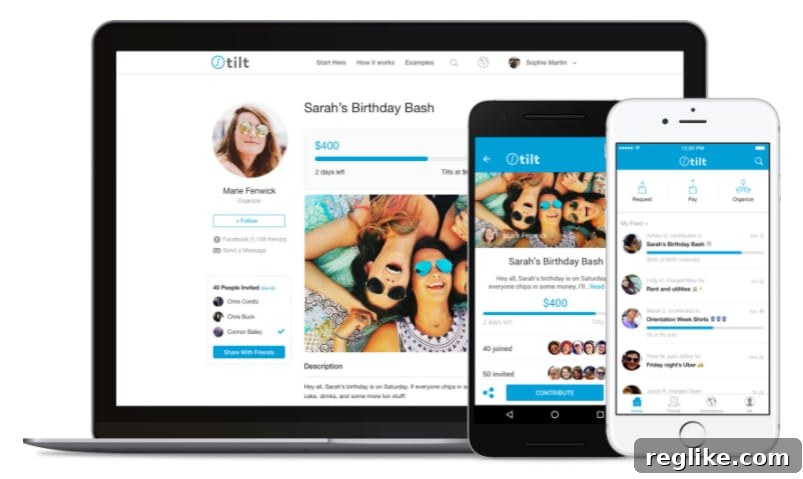
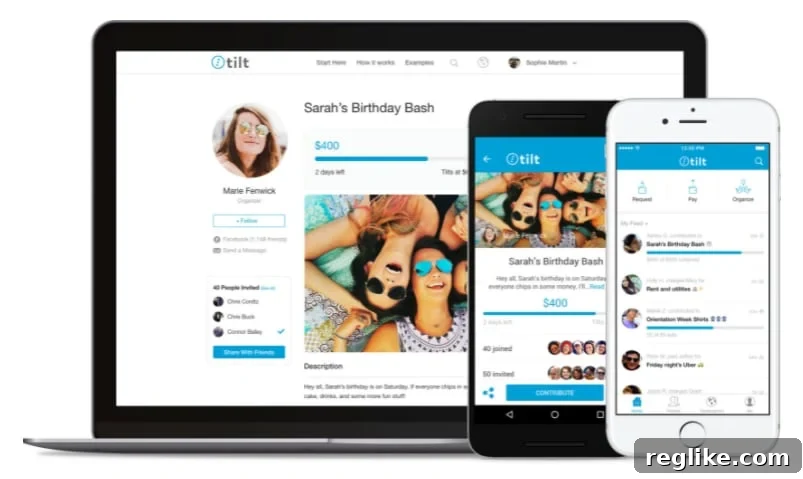
The story of tilt.com begins with innovation and ambition. In 2017, Airbnb made a strategic move by acquiring Tilt, a prominent social payments platform that allowed users to collect money for group activities and events. This acquisition was a significant expansion for Airbnb, aiming to integrate payment functionalities that could enhance its community-driven services. With the acquisition came the ownership of tilt.com, a premium domain name reflecting the brand’s identity and value.
However, the journey for tilt.com took an unexpected turn when the domain was allegedly stolen from Airbnb. The details surrounding the exact method of theft remain largely undisclosed, but the incident highlights a critical vulnerability in digital asset management, even for well-resourced corporations. Domain theft, often involving unauthorized access to registrar accounts or social engineering tactics, can be a complex and distressing experience for any entity, leading to significant operational and reputational damage.
The Attempted Sale and Discovery of the Stolen Domain
The stolen tilt.com domain eventually surfaced in the secondary market, leading to an attempted transaction that inadvertently brought the theft to light. A prospective buyer, seasoned domain investor James Booth, entered into negotiations to acquire the domain. Such transactions are common in the robust domain investing world, where valuable domain names are bought and sold for substantial sums.
Crucially, the transaction was facilitated by Greenberg & Lieberman, a reputable law firm that also operates escrow.domains, an escrow service specializing in domain name transfers. Escrow services play a vital role in domain transactions by holding funds and ensuring that both parties fulfill their obligations before releasing the assets. During the due diligence process conducted by the escrow service, red flags were raised, and it became apparent that tilt.com might be a stolen asset. Upon this discovery, the transaction was promptly “put on ice,” preventing the illicit transfer of the domain to an unsuspecting third party. Greenberg & Lieberman, demonstrating ethical practice and commitment to preventing fraud, has since been listed as the owner of record for the domain, working diligently to untangle the situation and facilitate its return to the rightful owner.
Understanding the Uniform Domain-Name Dispute-Resolution Policy (UDRP)
In an effort to expedite the recovery process, Airbnb opted to file a UDRP complaint with the National Arbitration Forum, one of the approved dispute resolution providers under ICANN. The UDRP was established to provide a streamlined, administrative alternative to costly and time-consuming litigation for clear-cut cases of cybersquatting. It aims to protect trademark holders from individuals or entities who register domain names in bad faith, primarily to profit from, disrupt, or exploit established brands.
For a UDRP complaint to be successful, the complainant must demonstrate three key elements:
- The domain name is identical or confusingly similar to a trademark or service mark in which the complainant has rights. Airbnb undoubtedly met this criterion, given its ownership of the Tilt brand.
- The registrant (the current holder of the domain) has no rights or legitimate interests in respect of the domain name. This element often hinges on whether the registrant has made legitimate use of the domain, is commonly known by it, or is making fair use of the mark.
- The domain name has been registered and is being used in bad faith. This is the most critical and often debated element. Bad faith typically involves registering a domain primarily to sell it to the trademark owner, disrupt a competitor’s business, or attract internet users for commercial gain by creating confusion with the complainant’s mark.
Why Airbnb’s UDRP Complaint Failed: The Scope of UDRP
Despite the apparent injustice of a stolen domain, the UDRP panel ultimately ruled against Airbnb. The core reason for this decision lies in the fundamental design and limited purview of the UDRP itself. The policy is specifically crafted to address instances where a domain name was *originally registered* in bad faith by the current registrant. It is not designed to resolve disputes arising from domain theft or unauthorized transfers where the initial registration by the rightful owner was legitimate.
In this case, Tilt (and subsequently Airbnb) initially registered tilt.com legitimately. The issue was not that the domain was *registered* by the thief in bad faith, but that it was *stolen* from its legitimate owner and then subsequently *transferred* to another party (Greenberg & Lieberman, in this case, who held it innocently while working to resolve the situation). The UDRP panel reasoned that the policy’s language focuses on the registrant’s bad faith at the time of registration, or their current bad faith use *after* registration. The dispute here centered on the legitimacy of the transfer of ownership, rather than the initial registration or the current registrant’s intent to cybersquat.
Rejection of the “Slippery Slope” Argument
Airbnb’s legal team presented a compelling argument, suggesting that rejecting their complaint could set a dangerous precedent, a “slippery slope.” They contended that such a decision might inadvertently encourage or enable domain thieves to transfer stolen domains to third parties who then hold the domain in bad faith, knowing it was stolen. The implication was that if UDRP cannot address these scenarios, it creates a loophole that malicious actors could exploit, making it harder for legitimate owners to recover their digital assets.
However, the UDRP panel firmly rejected this “slippery slope” argument. The panel emphasized that its role is to interpret and apply the UDRP policy strictly as written, not to expand its scope based on potential future hypotheticals or policy implications. They asserted that the correct decision in the present case, based on the established parameters of the UDRP, should not be swayed by concerns about how it *might* impact hypothetical future cases or broader policy considerations. The panel’s stance reinforces the principle that UDRP is a specific tool for a specific type of dispute, and other legal avenues exist for different types of domain-related issues, such as theft.
The Ethical Stance of Greenberg & Lieberman and Escrow.domains
It’s important to highlight the commendable role played by Greenberg & Lieberman and their escrow.domains service in this intricate situation. Despite being listed as the current owner of tilt.com due to the aborted transaction, the firm has not acted in bad faith. On the contrary, they have actively engaged with Airbnb and other parties to work towards the rightful return of the domain. Their decision to put the transaction on hold once the theft was suspected, and their subsequent efforts to assist Airbnb, exemplify ethical conduct within the domain industry. This underscores the value of using reputable escrow services for high-value domain transactions, as they often serve as a crucial layer of protection against fraud and illicit activities.
Implications and Lessons Learned from the Tilt.com Case
The tilt.com case serves as a critical reminder of several key aspects of domain ownership and security:
- UDRP Limitations: Companies and domain owners must understand that the UDRP is not a panacea for all domain-related disputes. It has a specific purpose—addressing bad-faith *registration* of domains that infringe on trademarks. Cases of outright domain theft require different legal strategies.
- The Challenge of Domain Theft Recovery: Recovering a stolen domain can be significantly more complex than a typical cybersquatting case. It often involves engaging with domain registrars, law enforcement, and potentially pursuing civil litigation in the relevant jurisdiction, which can be time-consuming and expensive.
- Importance of Robust Domain Security: This incident underscores the paramount importance of implementing stringent security measures for valuable domain names. This includes:
- Registry Locks: Implementing a registry lock (clientHold or serverHold status) on critical domains prevents unauthorized transfers and changes to DNS settings without multiple layers of verification.
- Two-Factor Authentication (2FA): Enabling 2FA on registrar accounts adds a crucial layer of security, making it much harder for unauthorized parties to gain access, even if they have a password.
- Strong Passwords and Account Security: Regular auditing of access credentials and adherence to strong password policies are fundamental.
- Dedicated Domain Management: Assigning dedicated personnel or teams responsible for domain portfolio management and security monitoring.
- Role of Escrow Services: For buyers and sellers of premium domains, utilizing a reputable escrow service is indispensable. They provide a safe mechanism for transactions and often conduct due diligence that can uncover underlying issues like theft.
- Alternative Legal Recourse: When UDRP is not applicable, companies must explore other legal avenues, such as civil lawsuits for conversion or unjust enrichment, or even reporting the theft to law enforcement agencies if criminal activity is suspected. These processes, however, are typically more protracted and expensive than a UDRP proceeding.
Conclusion: A Call for Vigilance in Digital Asset Protection
The failure of Airbnb to recover tilt.com through UDRP is not an indictment of Airbnb’s claim, but rather a clear demonstration of the UDRP’s defined boundaries. While the outcome may seem frustrating for a rightful owner, it highlights the need for businesses to proactively safeguard their digital assets with comprehensive security protocols and to understand the specific legal tools available for different types of domain disputes. The case of tilt.com serves as a powerful reminder that in the rapidly evolving digital landscape, vigilance in protecting domain names is just as crucial as protecting any other valuable corporate asset.