
Apple’s Unwavering Stance: Securing Its Digital Identity Against Cybersquatters
In the fiercely competitive digital landscape, a company’s domain name is far more than just a web address; it’s a cornerstone of its brand identity, a gateway for consumer interaction, and a critical asset requiring vigilant protection. Tech giant Apple, known for its iconic branding and robust intellectual property portfolio, consistently demonstrates its commitment to safeguarding its online presence. This dedication was recently highlighted by a significant victory in a domain name dispute, marking its first formal triumph under the Uniform Domain Name Dispute Resolution Policy (UDRP) this year.
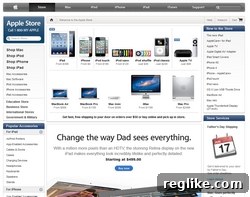
The Recent `aplestore.com` Victory: A Case Study in Typosquatting
Apple successfully reclaimed ownership of the domain name aplestore.com after a World Intellectual Property Organization (WIPO) panel ordered its transfer to the iPhone maker. This particular case exemplifies a common form of online brand infringement known as typosquatting. The domain, a deliberate misspelling of the globally recognized AppleStore.com, was registered by an individual in Poland and subsequently redirected to a “parked page” laden with advertisements. This parasitic practice aimed to profit from user errors and Apple’s brand recognition, drawing traffic away from legitimate sources and potentially exposing users to irrelevant or malicious content.
Understanding Typosquatting: A Persistent Threat
Typosquatting involves registering domain names that are slight variations or common misspellings of established brand names. The intent is often to capitalize on common typing errors made by internet users. These squatted domains can then be used for various nefarious purposes, including directing traffic to competitor sites, hosting phishing scams, serving unwanted advertisements, or even distributing malware. For a brand like Apple, which enjoys immense global recognition, the risk of typosquatting is particularly high, making proactive monitoring and enforcement an essential part of its brand protection strategy.
The UDRP Framework: A Cornerstone of Brand Protection
Apple’s success with aplestore.com underscores the effectiveness of the UDRP, a streamlined arbitration process established by the Internet Corporation for Assigned Names and Numbers (ICANN). The UDRP provides trademark holders with an efficient and cost-effective mechanism to challenge the abusive registration of domain names. Unlike traditional litigation, which can be lengthy and expensive, UDRP disputes are typically resolved within a few months through administrative proceedings conducted by designated dispute resolution service providers like WIPO.
Three Pillars of a Successful UDRP Complaint
To succeed in a UDRP complaint, the complainant (in this case, Apple) must prove three cumulative elements:
- The disputed domain name is identical or confusingly similar to a trademark or service mark in which the complainant has rights. For
aplestore.com, the phonetic and visual similarity to Apple’s ‘Apple Store’ trademark left little room for doubt. - The registrant of the domain name has no rights or legitimate interests in respect of the domain name. The Polish registrant could not demonstrate any legitimate use of ‘aplestore.com’, nor were they commonly known by that name. Their use of a parked page with ads further indicated a lack of legitimate interest.
- The domain name has been registered and is being used in bad faith. The registration of a clear typo of a famous trademark, coupled with its use for generating advertising revenue, strongly pointed to bad faith intent. The panel found that the registrant specifically targeted Apple’s brand to divert traffic for commercial gain.
Apple’s ability to consistently meet these criteria highlights the clear-cut nature of the infringement in many of these domain disputes, making UDRP an invaluable tool for global brands.
Apple’s Proactive Stance Against Digital Impersonation
While the aplestore.com case is Apple’s first official UDRP win of the year, it is by no means an isolated incident in the company’s extensive efforts to combat cybersquatting. Apple maintains a highly proactive and aggressive approach to protecting its intellectual property online, often resolving disputes before they even reach a formal UDRP panel decision. This strategic vigilance is crucial in preventing consumer confusion, protecting brand reputation, and mitigating potential security risks associated with malicious domain use.
A History of Vigilance: Pre-UDRP Resolutions
Prior to its recent UDRP victory, Apple has successfully secured numerous domain names through direct negotiation or expedited processes after filing initial complaints. A notable example occurred last month when Apple quickly gained control of iPhone5.com shortly after initiating a dispute. Other domains that have been willingly transferred to Apple this year, following the company’s legal challenges, include critical variations such as applle.com, applecom.com, and appleprinters.com. These instances underscore the deterrent effect of Apple’s reputation for strong brand enforcement, often leading squatters to surrender domains rather than face a formal UDRP proceeding or potential legal action.
Such proactive measures are vital for a company of Apple’s stature. Uncontrolled domain infringements can lead to a multitude of problems, from direct revenue loss due to diverted traffic to more severe issues like phishing attacks that compromise user data and erode trust in the brand. Each successfully recovered domain represents a block in the armor against digital exploitation.
The Broader Implications of Cybersquatting for Businesses
The challenges faced by Apple with domain squatting are universal for any brand operating in the digital sphere, albeit magnified for global leaders. Cybersquatting poses multi-faceted threats:
- Consumer Confusion and Brand Dilution: Mistakenly landing on a squatted domain can lead consumers to believe they are interacting with the legitimate brand, causing confusion and potentially damaging the brand’s reputation if the squatted site is poorly maintained or malicious.
- Revenue Loss: Legitimate traffic is diverted, leading to missed sales opportunities or ad revenue.
- Security Risks: Cybersquatted domains are frequently used for phishing scams, malware distribution, or deceptive advertising, posing direct security threats to unsuspecting users.
- Erosion of Trust: Repeated encounters with fraudulent sites linked to a brand can diminish consumer trust and loyalty over time.
- Legal and Administrative Burden: Brands must expend significant resources – time, money, and legal expertise – to monitor for and enforce against domain infringements.
Types of Domain Infringement Beyond Typosquatting
While typosquatting is prevalent, brand protection strategies must address other forms of domain infringement:
- Direct Trademark Squatting: Registering a domain name that is an exact match of a protected trademark (e.g., a non-Apple entity registering “applewatch.co” without permission).
- Domain Warehousing: Registering numerous domain names containing various permutations of a brand’s trademarks, with the intent to sell them back to the trademark owner at an inflated price or to leverage them for illicit gains.
- Brand + Keyword Squatting: Combining a brand name with generic keywords (e.g., “apple-deals.com” or “cheapapple.net”) to create an impression of official affiliation or special offers.
Each type requires a strategic response, and UDRP remains a powerful tool for addressing many of these abusive registrations.
Navigating Apple’s Current Domain Dispute Landscape
Apple’s vigilance is ongoing, with numerous domain disputes currently pending. The company has active cases against a significant number of domains, reflecting the persistent nature of cybersquatting attempts targeting its vast array of products and services. These pending cases highlight the continuous need for brand protection in the dynamic digital environment:
itunes.netapplemudic.comapplemusoc.comapplenusic.comapplwmusic.comappplemusic.comwwapplemusic.comwwwapplemusic.comwwwipodlounge.comwwwlapplemusic.comapplestor.comwwwitune.comapple-9.com
A closer look at this list reveals a predominant focus on typosquatting related to “Apple Music” and “iTunes” – two of Apple’s highly successful digital service platforms. Variations like applemudic.com, applemusoc.com, and applenusic.com are clear attempts to capture traffic intended for Apple Music, while wwwitune.com targets the long-standing iTunes brand. The inclusion of wwwipodlounge.com also indicates Apple’s commitment to protecting even its legacy brand assets from potential misuse. These cases serve as a powerful reminder that comprehensive brand protection must encompass all aspects of a company’s product and service portfolio, both current and historical.
Safeguarding Your Digital Frontier: Lessons for All Brands
Apple’s proactive and persistent strategy in combating domain squatters offers valuable lessons for businesses of all sizes. Establishing a robust domain name strategy is no longer a luxury but a necessity for maintaining brand integrity and consumer trust online. This includes not only registering key domain names and their variations but also implementing continuous monitoring services to detect potential infringements early. Swift action, whether through direct negotiation, cease-and-desist letters, or formal UDRP complaints, is paramount to deterring malicious actors and protecting digital assets.
Conclusion: A Continuous Battle for Digital Integrity
Apple’s ongoing success in reclaiming unlawfully registered domain names underscores the critical importance of intellectual property enforcement in the digital age. As the internet continues to evolve, so too do the tactics of those seeking to exploit established brands. Through its unwavering commitment to leveraging frameworks like the UDRP and taking decisive action, Apple not only protects its own iconic brands but also sets a benchmark for best practices in online brand protection. The battle for digital integrity is continuous, and Apple remains at the forefront, ensuring its rightful place in the online sphere.