
WIPO Panel Delivers Scathing Reverse Domain Name Hijacking Ruling in Cro-Mags.com Dispute
In a significant decision that underscores the importance of due diligence in domain name disputes, a World Intellectual Property Organization (WIPO) panel has found a case concerning the domain name cro-mags.com was filed in abuse of the Uniform Domain Name Dispute Resolution Policy (UDRP). This ruling, which culminated in a finding of Reverse Domain Name Hijacking (RDNH), sends a clear message to complainants about the perils of pursuing unwarranted claims.
The dispute revolved around the influential hardcore punk band Cro-Mags and two of its key figures, Harley Flanagan and Parris Mayhew. Savoia NYC, an entity closely associated with musician Harley Flanagan, initiated the complaint in an attempt to wrest control of the domain name from its current registrant, Parris Mayhew. Mayhew, a founding member and integral part of the Cro-Mags’ legacy, registered the domain name in 1999.
Understanding the Core of the Cro-Mags.com Domain Dispute
The domain name cro-mags.com is undeniably central to the identity and online presence of the iconic band. The UDRP, established by the Internet Corporation for Assigned Names and Numbers (ICANN), provides a streamlined administrative process for resolving disputes over domain names where a party is accused of “cybersquatting” – registering a domain name in bad faith to profit from another’s trademark.
To succeed in a UDRP complaint, a complainant must prove three elements:
- The domain name is identical or confusingly similar to a trademark in which the complainant has rights.
- The registrant has no rights or legitimate interests in respect of the domain name.
- The domain name has been registered and is being used in bad faith.
The Cro-Mags case, however, presented a complex scenario, deeply intertwined with the band’s history and the relationship between its members.
The Parties and Their History: Flanagan vs. Mayhew
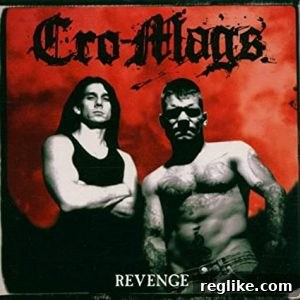
Harley Flanagan is widely recognized as a pivotal figure in the Cro-Mags, serving as bassist, vocalist, and songwriter. Parris Mayhew, equally significant, was the band’s guitarist and also played a crucial role in its formation and creative output. The two collaborated extensively, notably producing the album “Revenge” in 2000. Their long-standing association meant that intellectual property related to Cro-Mags, including trademarks and domain names, was often a shared enterprise or evolved through their joint contributions.
Critically, when Parris Mayhew registered the domain name cro-mags.com in 1999, he was not merely an unrelated third party. He was, in fact, a co-owner of an entity with Harley Flanagan that held a trademark for “Cro-Mags.” This detail proved to be the cornerstone of the WIPO panel’s decision and the undoing of Savoia NYC’s complaint.
Savoia NYC’s Arguments and the Flawed “Retroactive Bad Faith” Theory
Savoia NYC, acting on behalf of Harley Flanagan, alleged that Parris Mayhew’s registration and use of the domain name constituted cybersquatting. The complainant undoubtedly held rights to the “Cro-Mags” trademark. However, the crux of the dispute hinged on the second and third elements of the UDRP: legitimate interests and bad faith registration and use.
Savoia NYC’s case faced immediate challenges because Mayhew, as a co-owner of the trademark at the time of registration, clearly registered the domain with legitimate interests and not in bad faith. Recognizing this hurdle, the complainant advanced a novel and ultimately unsuccessful argument: “retroactive bad faith.” This theory attempted to assert that even if the domain was initially registered in good faith, subsequent actions or a change in circumstances could render the initial registration “retroactively” in bad faith. Such an argument lacks precedent within UDRP jurisprudence, which firmly establishes that bad faith must be present at the time of registration. Panelist Frederick Abbott highlighted this deficiency, noting that proposing a legal theory unsupported by UDRP precedent demonstrated a significant flaw in the complaint.
The Panel’s Scrutiny: A Lack of Key Details
Panelist Frederick Abbott’s careful examination revealed critical omissions in Savoia NYC’s presentation of the case. The complaint, according to Abbott, conveniently left out key details about the historical relationship between Flanagan and Mayhew, particularly their joint ownership of the Cro-Mags trademark at the time of the domain’s registration. This omission was not a minor oversight; it fundamentally misrepresented the context of Mayhew’s registration of cro-mags.com.
Abbott’s finding indicates that the complainant failed to conduct adequate preparation and investigation, or deliberately chose to suppress information that would undermine its claims. The WIPO panel determined that it was “difficult to believe that Complainant and its counsel thought they could succeed in this proceeding if Respondent responded.” This statement points to a perceived lack of sincerity or a deliberate attempt to mislead the panel by withholding pertinent facts.
The Landmark Finding of Reverse Domain Name Hijacking (RDNH)
The most significant outcome of this dispute was the WIPO panel’s finding of Reverse Domain Name Hijacking. RDNH occurs when a complainant attempts to use the UDRP process in bad faith to improperly seize a domain name from a legitimate registrant. It is a serious finding, indicating an abuse of the administrative process.
Panelist Frederick Abbott’s rationale for the RDNH finding was clear and direct:
The Panel finds it difficult to believe that Complainant and its counsel thought they could succeed in this proceeding if Respondent responded. Respondent did respond. While Complainant’s lapse in providing evidence in theory might have resulted from lack of awareness of underlying facts, those facts should have been readily apparent from adequate preparation and investigation. In addition, there is no apparent excuse for proposing a legal theory that is unsupported by UDRP precedent.
This statement encapsulates the core reasons for the RDNH finding:
- Lack of Reasonable Belief in Success: The panel strongly implied that the complainant (Savoia NYC/Harley Flanagan) and their legal counsel should have known their case was weak, especially once Mayhew presented his full defense.
- Failure in Due Diligence: The omission of crucial historical facts, particularly Mayhew’s co-ownership of the Cro-Mags trademark at the time of registration, was deemed inexcusable. These facts should have been “readily apparent from adequate preparation and investigation.”
- Unsupported Legal Theory: The attempt to introduce a “retroactive bad faith” argument without any basis in UDRP precedent further demonstrated an abuse of the policy.
Implications of the RDNH Finding in Domain Disputes
A finding of Reverse Domain Name Hijacking is not merely a rejection of the complaint; it serves as a stern warning and has several important implications:
- Deterrent Effect: It discourages trademark holders from filing frivolous or opportunistic UDRP complaints to harass legitimate domain name registrants or to acquire domain names for which they have no rightful claim under the policy.
- Protection for Registrants: It reinforces the UDRP’s role in protecting legitimate domain name holders from unwarranted challenges, ensuring the process is not weaponized by powerful entities against smaller players.
- Reputational Impact: While not a formal sanction, an RDNH finding can reflect poorly on the complainant’s judgment and legal strategy in the domain name dispute community.
- Reinforces UDRP Principles: It upholds the fundamental principles of the UDRP, especially the requirement for bad faith at the time of registration, and prevents the policy from being expanded beyond its intended scope.
Lessons Learned from the Cro-Mags.com Case
The cro-mags.com domain dispute offers valuable lessons for anyone involved in domain name litigation or intellectual property management:
- Thorough Investigation is Paramount: Complainants must conduct exhaustive research into the history of the domain name and its registrant, especially when dealing with complex relationships like those within a band. Omitting crucial facts, whether intentionally or through negligence, can lead to severe consequences.
- Understand UDRP Precedent: Arguments presented must align with established UDRP jurisprudence. Inventing new legal theories without a solid foundation will likely fail and can be interpreted as an abuse of process.
- Bad Faith at Registration is Key: The UDRP specifically targets bad faith registration and use. Attempts to argue “retroactive” or “subsequent” bad faith generally do not succeed.
- Complex Relationships Require Nuance: When intellectual property rights are shared or have evolved among collaborators (like band members), any dispute resolution process must account for the intricate history and co-ownership aspects.
In conclusion, the WIPO panel’s decision regarding cro-mags.com serves as a critical reminder of the UDRP’s limitations and the penalties for attempting to manipulate its framework. Parris Mayhew retains control of the domain, and the finding of Reverse Domain Name Hijacking stands as a testament to the importance of integrity and due diligence in the domain name dispute resolution process.
WIPO Panel Delivers Scathing Reverse Domain Name Hijacking Ruling in Cro-Mags.com Dispute
In a significant decision that underscores the importance of due diligence in domain name disputes, a World Intellectual Property Organization (WIPO) panel has found a case concerning the domain name cro-mags.com was filed in abuse of the Uniform Domain Name Dispute Resolution Policy (UDRP). This ruling, which culminated in a finding of Reverse Domain Name Hijacking (RDNH), sends a clear message to complainants about the perils of pursuing unwarranted claims.
The dispute revolved around the influential hardcore punk band Cro-Mags and two of its key figures, Harley Flanagan and Parris Mayhew. Savoia NYC, an entity closely associated with musician Harley Flanagan, initiated the complaint in an attempt to wrest control of the domain name from its current registrant, Parris Mayhew. Mayhew, a founding member and integral part of the Cro-Mags’ legacy, registered the domain name in 1999.
Understanding the Core of the Cro-Mags.com Domain Dispute
The domain name cro-mags.com is undeniably central to the identity and online presence of the iconic band. The UDRP, established by the Internet Corporation for Assigned Names and Numbers (ICANN), provides a streamlined administrative process for resolving disputes over domain names where a party is accused of “cybersquatting” – registering a domain name in bad faith to profit from another’s trademark.
To succeed in a UDRP complaint, a complainant must prove three elements:
- The domain name is identical or confusingly similar to a trademark in which the complainant has rights.
- The registrant has no rights or legitimate interests in respect of the domain name.
- The domain name has been registered and is being used in bad faith.
The Cro-Mags case, however, presented a complex scenario, deeply intertwined with the band’s history and the relationship between its members.
The Parties and Their History: Flanagan vs. Mayhew
Harley Flanagan is widely recognized as a pivotal figure in the Cro-Mags, serving as bassist, vocalist, and songwriter. Parris Mayhew, equally significant, was the band’s guitarist and also played a crucial role in its formation and creative output. The two collaborated extensively, notably producing the album “Revenge” in 2000. Their long-standing association meant that intellectual property related to Cro-Mags, including trademarks and domain names, was often a shared enterprise or evolved through their joint contributions.
Critically, when Parris Mayhew registered the domain name cro-mags.com in 1999, he was not merely an unrelated third party. He was, in fact, a co-owner of an entity with Harley Flanagan that held a trademark for “Cro-Mags.” This detail proved to be the cornerstone of the WIPO panel’s decision and the undoing of Savoia NYC’s complaint.
Savoia NYC’s Arguments and the Flawed “Retroactive Bad Faith” Theory
Savoia NYC, acting on behalf of Harley Flanagan, alleged that Parris Mayhew’s registration and use of the domain name constituted cybersquatting. The complainant undoubtedly held rights to the “Cro-Mags” trademark. However, the crux of the dispute hinged on the second and third elements of the UDRP: legitimate interests and bad faith registration and use.
Savoia NYC’s case faced immediate challenges because Mayhew, as a co-owner of the trademark at the time of registration, clearly registered the domain with legitimate interests and not in bad faith. Recognizing this hurdle, the complainant advanced a novel and ultimately unsuccessful argument: “retroactive bad faith.” This theory attempted to assert that even if the domain was initially registered in good faith, subsequent actions or a change in circumstances could render the initial registration “retroactively” in bad faith. Such an argument lacks precedent within UDRP jurisprudence, which firmly establishes that bad faith must be present at the time of registration. Panelist Frederick Abbott highlighted this deficiency, noting that proposing a legal theory unsupported by UDRP precedent demonstrated a significant flaw in the complaint.
The Panel’s Scrutiny: A Lack of Key Details
Panelist Frederick Abbott’s careful examination revealed critical omissions in Savoia NYC’s presentation of the case. The complaint, according to Abbott, conveniently left out key details about the historical relationship between Flanagan and Mayhew, particularly their joint ownership of the Cro-Mags trademark at the time of the domain’s registration. This omission was not a minor oversight; it fundamentally misrepresented the context of Mayhew’s registration of cro-mags.com.
Abbott’s finding indicates that the complainant failed to conduct adequate preparation and investigation, or deliberately chose to suppress information that would undermine its claims. The WIPO panel determined that it was “difficult to believe that Complainant and its counsel thought they could succeed in this proceeding if Respondent responded.” This statement points to a perceived lack of sincerity or a deliberate attempt to mislead the panel by withholding pertinent facts.
The Landmark Finding of Reverse Domain Name Hijacking (RDNH)
The most significant outcome of this dispute was the WIPO panel’s finding of Reverse Domain Name Hijacking. RDNH occurs when a complainant attempts to use the UDRP process in bad faith to improperly seize a domain name from a legitimate registrant. It is a serious finding, indicating an abuse of the administrative process.
Panelist Frederick Abbott’s rationale for the RDNH finding was clear and direct:
The Panel finds it difficult to believe that Complainant and its counsel thought they could succeed in this proceeding if Respondent responded. Respondent did respond. While Complainant’s lapse in providing evidence in theory might have resulted from lack of awareness of underlying facts, those facts should have been readily apparent from adequate preparation and investigation. In addition, there is no apparent excuse for proposing a legal theory that is unsupported by UDRP precedent.
This statement encapsulates the core reasons for the RDNH finding:
- Lack of Reasonable Belief in Success: The panel strongly implied that the complainant (Savoia NYC/Harley Flanagan) and their legal counsel should have known their case was weak, especially once Mayhew presented his full defense.
- Failure in Due Diligence: The omission of crucial historical facts, particularly Mayhew’s co-ownership of the Cro-Mags trademark at the time of registration, was deemed inexcusable. These facts should have been “readily apparent from adequate preparation and investigation.”
- Unsupported Legal Theory: The attempt to introduce a “retroactive bad faith” argument without any basis in UDRP precedent further demonstrated an abuse of the policy.
Implications of the RDNH Finding in Domain Disputes
A finding of Reverse Domain Name Hijacking is not merely a rejection of the complaint; it serves as a stern warning and has several important implications:
- Deterrent Effect: It discourages trademark holders from filing frivolous or opportunistic UDRP complaints to harass legitimate domain name registrants or to acquire domain names for which they have no rightful claim under the policy.
- Protection for Registrants: It reinforces the UDRP’s role in protecting legitimate domain name holders from unwarranted challenges, ensuring the process is not weaponized by powerful entities against smaller players.
- Reputational Impact: While not a formal sanction, an RDNH finding can reflect poorly on the complainant’s judgment and legal strategy in the domain name dispute community.
- Reinforces UDRP Principles: It upholds the fundamental principles of the UDRP, especially the requirement for bad faith at the time of registration, and prevents the policy from being expanded beyond its intended scope.
Lessons Learned from the Cro-Mags.com Case
The cro-mags.com domain dispute offers valuable lessons for anyone involved in domain name litigation or intellectual property management:
- Thorough Investigation is Paramount: Complainants must conduct exhaustive research into the history of the domain name and its registrant, especially when dealing with complex relationships like those within a band. Omitting crucial facts, whether intentionally or through negligence, can lead to severe consequences.
- Understand UDRP Precedent: Arguments presented must align with established UDRP jurisprudence. Inventing new legal theories without a solid foundation will likely fail and can be interpreted as an abuse of process.
- Bad Faith at Registration is Key: The UDRP specifically targets bad faith registration and use. Attempts to argue “retroactive” or “subsequent” bad faith generally do not succeed.
- Complex Relationships Require Nuance: When intellectual property rights are shared or have evolved among collaborators (like band members), any dispute resolution process must account for the intricate history and co-ownership aspects.
In conclusion, the WIPO panel’s decision regarding cro-mags.com serves as a critical reminder of the UDRP’s limitations and the penalties for attempting to manipulate its framework. Parris Mayhew retains control of the domain, and the finding of Reverse Domain Name Hijacking stands as a testament to the importance of integrity and due diligence in the domain name dispute resolution process.