
BME.com Domain Dispute: BMEzine Responds to Gregory Ricks’ Lawsuit
The legal saga surrounding the domain name BME.com continues to unfold, with BMEzine filing a formal response to the lawsuit initiated by Gregory Ricks. This article provides an in-depth analysis of the dispute, outlining the key events, legal arguments, and potential implications for both parties.
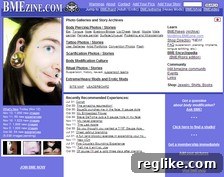
To fully understand the current situation, it’s essential to revisit the timeline of events leading up to this point:
A Brief History of the BME.com Domain Dispute:
- August: Gregory Ricks faced a significant setback when he lost control of the BME.com domain name following a decision by the World Intellectual Property Organization (WIPO) under the Uniform Domain Name Dispute Resolution Policy (UDRP). Despite the domain being a generic three-character combination, Ricks had been using it to display advertisements and imagery related to tattoos and body modification. This use drew the attention of BMEzine.com, a well-established website dedicated to tattoos, body modification, and related subcultures, which subsequently filed the UDRP action.
- September: Not willing to concede defeat, Ricks launched a lawsuit aimed at preventing the transfer of BME.com to BMEzine.com. Under the UDRP rules, a party has a ten-day window after a WIPO decision to file such a lawsuit and effectively halt the domain transfer. In a strategic move, Ricks turned the tables on BMEzine, alleging that BMEzine was actually infringing upon his own brand by attempting to acquire the domain.
The situation has now escalated with BMEzine formally responding to Ricks’ lawsuit and presenting its own counterclaims. The full text of BMEzine’s response can be found here (pdf). BMEzine has also provided a summary of its response and the ongoing saga on its blog. Key points of BMEzine’s claims include:
BMEzine’s Counterclaims:
- Prior Agreement: BMEzine asserts that it had reached an agreement to purchase BME.com from Ricks before initiating the UDRP proceedings. However, Ricks allegedly reneged on the agreement and subsequently increased the asking price on two separate occasions, leading to the breakdown of negotiations and the eventual UDRP filing. This claim suggests that BMEzine had legitimate intentions to acquire the domain through conventional means before resorting to legal action.
- Alter Ego Allegations: BMEzine further alleges that Gee Whiz Domains, a privacy service that was previously listed as the WHOIS contact for BME.com, is, in fact, an alter ego of Gregory Ricks. This is a significant claim as it suggests that Ricks was attempting to conceal his ownership of the domain. The response also provides a list of trademark typo domain names that BMEzine believes are owned and controlled by Ricks through Gee Whiz Domains. Examples cited include “yahooemai.com,” “msnnb.com,” “officedepo.com,” and “cnnmmoney.com.” These examples, if proven, could paint a picture of Ricks as a cybersquatter engaging in potentially unethical domain name practices.
The Core Issue: Trademark Infringement?
It’s crucial to recognize that the domain name BME.com, in and of itself, does not inherently infringe upon any trademarks. The legal issue stems from Ricks’ specific use of the domain to display advertisements related to body piercing, tattoos, and other body modification practices. This use is what brought him into conflict with BMEzine and ultimately led to the UDRP action and subsequent lawsuit.
It is plausible that Ricks was unaware of BMEzine when he initially registered the BME.com domain. Three-letter domain names are often seen as valuable assets and are acquired for various purposes, including potential resale or development. It’s possible that Ricks simply saw BME.com as another attractive three-letter domain and registered it without fully considering the potential trademark implications.
Furthermore, it’s conceivable that Ricks never actively optimized the domain for specific advertising purposes and that the advertisements displayed were generated automatically through a domain parking service. Currently, the domain redirects to a generic TrafficZ parked page, which, in the opinion of many, does not constitute trademark infringement. However, the current state of the domain is not the determining factor in the lawsuit. The legal battle revolves around the period of time during which the domain allegedly infringed upon the BME brand.
The Implications and Potential Outcomes:
The outcome of this legal dispute could have significant implications for domain name law and trademark enforcement online. If BMEzine is successful in its lawsuit, it could set a precedent for other trademark holders seeking to acquire generic domain names that are being used in a way that infringes upon their brand. Conversely, if Ricks prevails, it could make it more difficult for trademark holders to challenge the use of generic domain names, even when they are being used to display related advertisements.
The court will need to consider several factors in making its decision, including the strength of the BMEzine brand, the similarity between Ricks’ use of the domain and BMEzine’s business, and whether Ricks acted in bad faith. The evidence presented by both sides, including the alleged prior agreement between BMEzine and Ricks and the allegations of Ricks’ use of alter egos, will also play a crucial role in the outcome of the case.
This case highlights the complexities of domain name disputes and the importance of carefully considering trademark implications when registering and using domain names. It also underscores the potential value of generic domain names and the legal challenges that can arise when these domains are used in a way that conflicts with established brands.
The BME.com domain dispute serves as a reminder of the ongoing tension between domain name owners and trademark holders in the digital age. As the internet continues to evolve, it is likely that we will see more cases like this, requiring courts to balance the rights of domain name owners with the need to protect established brands from infringement.