
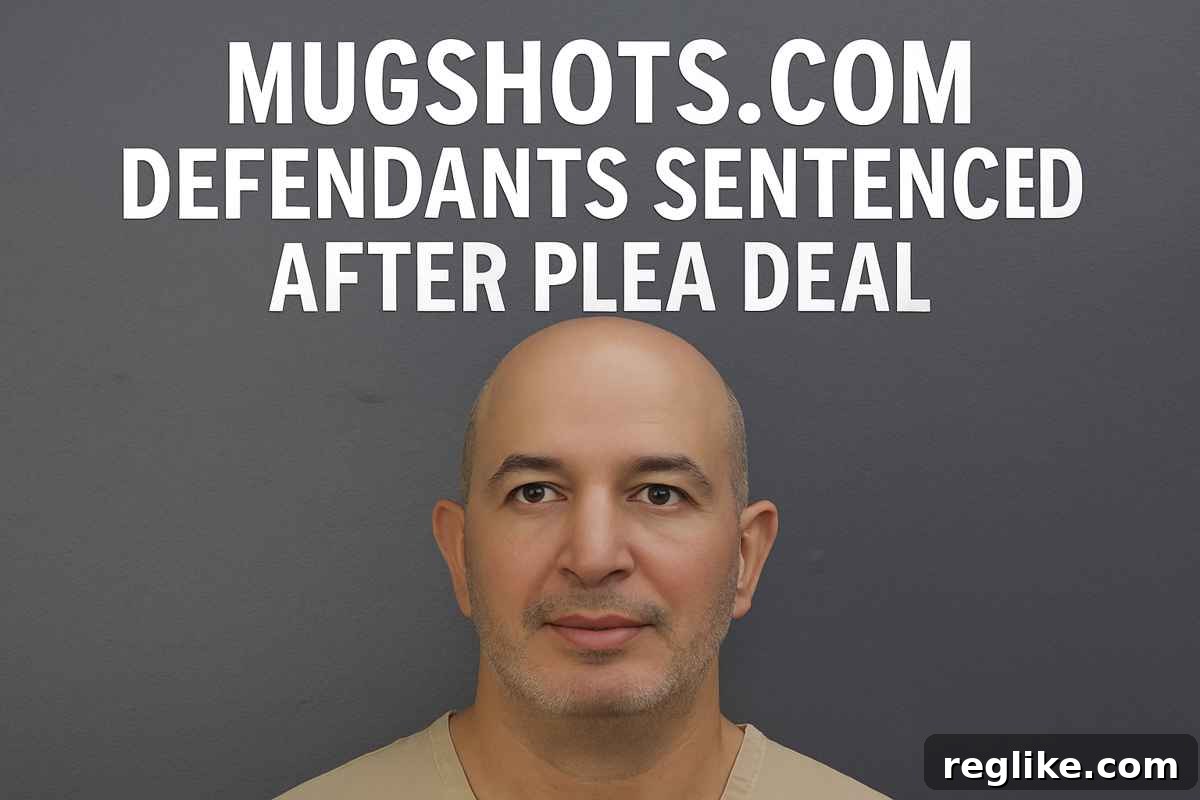
Mugshots.com Case: Sahar Sarid and Co-Defendants Receive Probation Sentence
In a highly publicized case involving the website Mugshots.com, the remaining three defendants have been sentenced following a plea agreement. The case, which drew significant attention to the practices of online mugshot publishing and associated removal fees, has now reached a resolution for these individuals.
The charges against the defendants stemmed from an investigation initiated by California Attorney General Xavier Becerra back in 2018. The Attorney General’s office announced a series of serious allegations, including extortion, money laundering, and identity theft, against the four individuals believed to be the operators of Mugshots.com. These charges painted a picture of a complex scheme designed to exploit individuals arrested but not yet convicted of crimes.
The core of the allegations revolved around the website’s practice of publishing mugshots of individuals who had been arrested but not yet convicted of any crime. This practice, in itself, raised ethical questions about the potential for prejudicing public opinion and the impact on the lives of those whose images were displayed. However, the Attorney General’s office further alleged that Mugshots.com operated a “pay-for-removal” scheme through affiliated services. This scheme allegedly involved charging individuals a fee to have their mugshots removed from the website, effectively capitalizing on their desire to protect their reputations and avoid potential negative consequences.
As the legal proceedings unfolded, one of the defendants, David Usdan, reached a plea agreement with prosecutors in 2022. Under the terms of this agreement, Usdan pleaded guilty to the charge of being an accessory after the fact. This plea indicated that Usdan acknowledged his involvement in the aftermath of the alleged criminal activity, though perhaps not in the initial planning or execution of the scheme itself.
The remaining three defendants – Sahar Sarid, Kishore Bhavnanie, and Thomas Keesee – faced trial and ultimately were sentenced on Monday, May 5, 2025. These sentences came after the three defendants entered a plea of nolo contendere to charges of identity theft and attempted extortion. A plea of nolo contendere, often translated as “no contest,” means that the defendant does not admit guilt but acknowledges that the prosecution has sufficient evidence to secure a conviction. This type of plea allows the defendant to avoid the potential civil liability that could arise from an admission of guilt.
The sentences handed down to Sarid, Bhavnanie, and Keesee included one year of summary probation for each defendant. In addition to probation, the court ordered them to collectively pay a share of $78,000 in restitution to the victims of the alleged scheme. They were also responsible for covering court fees and associated assessments. Importantly, the court took into consideration the time the defendants had already served in 2018, crediting them for that time. As a result, none of the defendants will be required to serve any additional jail time beyond what they had already served.
At the time of his arrest in 2018, Sahar Sarid was a prominent figure in the domain name investment community. His involvement in the Mugshots.com case sent shockwaves through the industry, raising concerns about the potential for unethical or illegal practices within the domain name space. The case served as a reminder of the importance of due diligence and ethical conduct in all business ventures.
Currently, a notice is prominently displayed at the top of the Mugshots.com website. This notice states that the website now operates as a news organization and explicitly denies accepting payments for the removal of mugshots. This disclaimer suggests that the website has undergone changes in its business practices since the events that led to the charges against Sarid and his co-defendants. Whether this change in policy is a direct result of the legal scrutiny and public attention surrounding the case remains a topic of speculation.
The Mugshots.com case serves as a significant example of the complex legal and ethical issues that can arise in the digital age. The balance between freedom of information, the right to privacy, and the potential for exploitation through online platforms remains a challenging and evolving area of law. The case highlights the importance of responsible online practices and the need for continued scrutiny of websites that collect and disseminate personal information.
The outcome of the case, with the defendants receiving probation and being ordered to pay restitution, reflects a nuanced approach to justice. While the alleged actions of the defendants were serious, the court’s decision to avoid further jail time suggests a consideration of the time already served and the potential for rehabilitation. The requirement to pay restitution aims to compensate the victims of the alleged scheme for any financial or reputational harm they may have suffered.
The Mugshots.com saga is a cautionary tale for both website operators and individuals alike. For website operators, it underscores the importance of adhering to ethical and legal standards in the collection and dissemination of information. For individuals, it highlights the need to be aware of their rights and to take steps to protect their online reputations. The case also serves as a reminder that actions taken online can have real-world consequences, and that accountability is essential in the digital age.
The legal ramifications of publishing mugshots online continue to be debated and litigated across the country. Many states have enacted laws restricting the publication of mugshots for commercial purposes, recognizing the potential for exploitation and the harm that can be caused to individuals who have not been convicted of any crime. The Mugshots.com case has undoubtedly contributed to this ongoing discussion and has helped to shape the legal landscape surrounding online mugshot publishing.
Ultimately, the Mugshots.com case and the sentencing of Sahar Sarid and his co-defendants represent a significant chapter in the ongoing story of the internet and its impact on society. The case serves as a reminder of the need for vigilance, ethical conduct, and a commitment to protecting the rights of individuals in the digital world. As technology continues to evolve, it is crucial that legal and ethical frameworks adapt accordingly to ensure that the internet remains a force for good.
The resolution of this case, while providing some closure, also leaves lingering questions about the broader implications of online mugshot publishing. The debate over the ethics and legality of these practices is likely to continue, and the Mugshots.com case will undoubtedly serve as a precedent for future legal challenges and legislative efforts in this area. The internet’s potential for both good and harm necessitates a continued dialogue about how to balance the benefits of information access with the need to protect individual rights and prevent exploitation.
In conclusion, the sentencing of Sahar Sarid and his co-defendants marks the end of one chapter in the Mugshots.com saga. However, the broader issues raised by this case – the ethics of online mugshot publishing, the potential for exploitation, and the need for responsible online practices – will continue to be relevant for years to come. The case serves as a reminder that the digital world is not immune to the laws and ethical principles that govern our society, and that accountability is essential for maintaining a fair and just online environment.