
Calvin Harris Secures Coveted CalvinHarris.com Domain Name in Major Intellectual Property Victory
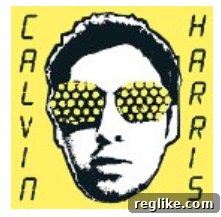
In a significant win for celebrity intellectual property rights in the digital age, world-renowned DJ and music producer Calvin Harris has successfully acquired the highly sought-after domain name, CalvinHarris.com. The artist, known globally for his chart-topping hits and influential presence in the electronic dance music (EDM) scene, secured the rights to the domain through a decisive proceeding with the World Intellectual Property Organization (WIPO). This victory marks a crucial step in consolidating his online brand identity and protecting his reputation from digital exploitation.
The dispute resolution process, formally known as the Uniform Domain-Name Dispute-Resolution Policy (UDRP), found in favor of Harris, whose legal team successfully argued that the previous owner of the domain was engaged in cybersquatting. This outcome underscores the increasing importance for public figures and established brands to safeguard their online presence, particularly their primary .com domain names, which often serve as the cornerstone of their digital footprint.
Who is Calvin Harris? A Global Music Phenomenon
Calvin Harris, whose real name is Adam Richard Wiles, is an internationally acclaimed Scottish DJ, record producer, singer, and songwriter. He rose to global prominence in the late 2000s and has since become one of the most successful figures in contemporary music. With a string of hit singles like “Summer,” “Feel So Close,” “This Is What You Came For,” and numerous collaborations with A-list artists such as Rihanna, Dua Lipa, and Sam Smith, Harris has cemented his status as a titan in the music industry. His innovative soundscapes, electrifying live performances, and consistent chart success have garnered him a massive fanbase worldwide and a formidable brand presence.
Given his immense global recognition and commercial success, a strong and clear online identity is paramount for Harris. His official digital home has long been CalvinHarris.co.uk, catering primarily to his UK audience. However, in the vast and interconnected digital landscape, a .com domain is universally recognized as the gold standard, often perceived as the definitive online destination for any prominent individual or entity. The absence of CalvinHarris.com under his direct control posed potential risks, including brand dilution, fan confusion, and the possibility of malicious use.
The Significance of a .com Domain in the Digital Era
For a global brand like Calvin Harris, owning the exact match .com domain name is not merely a matter of preference; it’s a strategic imperative. The .com extension remains the most recognized and trusted top-level domain (TLD) on the internet. It is often the first place users instinctively type when searching for a person, company, or brand online. Not owning it can lead to several challenges:
- Brand Confusion: Visitors might accidentally land on a third-party site, mistaking it for the official one, leading to frustration or misinformation.
- Loss of Traffic: Direct traffic that would naturally go to CalvinHarris.com could be diverted elsewhere, impacting engagement and potential revenue.
- Reputational Risk: If a cybersquatter uses the domain for inappropriate content, phishing, or competitive purposes, it could severely damage the brand’s image.
- SEO Disadvantage: While not the sole factor, owning the primary .com often contributes positively to search engine optimization (SEO), making it easier for fans to find official content.
Therefore, securing CalvinHarris.com was a critical move to unify his global digital presence, ensure brand integrity, and provide a clear, unambiguous online home for his millions of fans and professional contacts around the globe.
Understanding Cybersquatting: The Core of the Dispute
At the heart of Calvin Harris’s domain dispute was the issue of cybersquatting. Cybersquatting is the practice of registering, trafficking in, or using a domain name with the bad-faith intent to profit from the goodwill of a trademark belonging to someone else. Essentially, it involves exploiting famous names or brands by registering their corresponding domain names, hoping to sell them back to the legitimate trademark owner at an inflated price or use them for other deceptive purposes.
In Harris’s case, his legal team successfully argued that the previous registrant of CalvinHarris.com had no legitimate rights or interests in the domain name and had registered it in bad faith. Evidence typically presented in such cases includes:
- Lack of Legitimate Use: The domain owner hasn’t used the domain in connection with a bona fide offering of goods or services.
- Passive Holding: The domain simply points to a parking page, often displaying ads or offering the domain for sale.
- Offer to Sell: Explicitly offering the domain for sale to the trademark holder (or a competitor) for an amount exceeding the documented out-of-pocket costs directly related to the domain.
- Pattern of Conduct: The registrant has registered other domain names that are confusingly similar to trademarks of others.
These elements are crucial in proving a case of cybersquatting under the UDRP, as they demonstrate the speculative and exploitative intent behind the domain registration.
The UDRP Process: A Global Solution for Domain Disputes
The Uniform Domain-Name Dispute-Resolution Policy (UDRP) is an internationally recognized administrative procedure designed to resolve disputes concerning domain names. Established by the Internet Corporation for Assigned Names and Numbers (ICANN) in 1999, the UDRP provides a streamlined alternative to costly and time-consuming litigation in national courts. It is administered by various approved providers, with WIPO’s Arbitration and Mediation Center being one of the most prominent.
For a complainant like Calvin Harris to succeed in a UDRP case, they must demonstrate three key elements:
- The domain name is identical or confusingly similar to a trademark or service mark in which the complainant has rights. Calvin Harris, under his real name Adam R. Wiles, clearly has established trademark rights in “Calvin Harris” through extensive use, recordings, performances, and public recognition worldwide. The domain CalvinHarris.com is indisputably identical to his widely recognized stage name.
- The registrant (domain name owner) has no rights or legitimate interests in respect of the domain name. The previous owner of CalvinHarris.com was not known by the name Calvin Harris, nor did they have any apparent commercial connection to the name. The domain was not being used for any legitimate non-commercial or fair use purpose that could justify its registration.
- The domain name has been registered and is being used in bad faith. This is often the most critical and challenging element to prove. In Harris’s case, several factors pointed to bad faith. His attorneys initially sent a demand letter to the domain name owner, which went unanswered. Furthermore, the domain name prominently led to a parking page, a common tactic for cybersquatters. Crucially, this parking page also explicitly offered the domain name for sale at an exorbitant price of $49,999. This explicit offer to sell at an inflated price, coupled with the passive holding of a trademark-infringing domain, served as compelling evidence of bad-faith registration and use, demonstrating an intent to profit from Harris’s fame.
The panel reviewing the case found that Harris had successfully met all three requirements, leading to the transfer of CalvinHarris.com to his control.
Detailed Account of the Calvin Harris Case
The proceedings at WIPO, referenced as case D2015-1510, detailed the straightforward nature of the cybersquatting. Upon discovering that CalvinHarris.com was not under his ownership, Harris’s legal representatives initiated contact with the domain’s registrant. They dispatched a demand letter, formally asserting Harris’s trademark rights and requesting the voluntary transfer of the domain name. However, this overture was met with silence, indicating the registrant’s unwillingness to cooperate outside of a formal dispute.
Further investigation revealed that CalvinHarris.com was directing visitors to a generic parking page. Such pages typically display pay-per-click advertisements, generating revenue for the domain holder based on user clicks. More damningly, the parking page also featured a clear offer to sell the domain name for a substantial sum of $49,999. This act provided irrefutable proof of the registrant’s intent to profit from the goodwill associated with the Calvin Harris brand, fulfilling the “bad faith” criterion of the UDRP.
The existing official website, CalvinHarris.co.uk, while functional for a portion of his audience, could not provide the global reach and brand authority that a .com domain inherently carries. The successful acquisition of CalvinHarris.com thus unifies his online identity under a single, globally recognized extension, eliminating potential confusion and strengthening his overall digital presence.
Lessons for Celebrities, Brands, and Businesses
Calvin Harris’s victory serves as a powerful reminder for all celebrities, brands, and businesses about the critical importance of proactive domain name management and intellectual property protection:
- Register Early and Broadly: Whenever a new brand, product, or public persona is launched, it’s crucial to register relevant domain names across popular TLDs (.com, .net, .org, and relevant country-code TLDs like .co.uk) as early as possible. This minimizes the risk of cybersquatting.
- Monitor Your Brand: Regularly monitor the internet for unauthorized use of your trademark, including infringing domain name registrations. Various services specialize in brand monitoring.
- Understand Your Rights: Be aware of your trademark rights and how they apply to domain names. Professional legal counsel specializing in intellectual property and internet law can be invaluable.
- The Power of UDRP: The UDRP offers an efficient and relatively inexpensive mechanism for trademark holders to reclaim domain names from cybersquatters, avoiding prolonged court battles.
- Documentation is Key: In any dispute, maintaining clear records of trademark usage, demand letters, and evidence of bad faith (like “for sale” offers on parking pages) is crucial for a successful outcome.
For individuals and smaller businesses, the lesson is equally vital: if your name or brand holds significant goodwill, it is susceptible to cybersquatting. Protecting your digital assets should be an integral part of your brand strategy.
Conclusion: A Clear Win for Brand Integrity in the Digital Realm
Calvin Harris’s successful acquisition of CalvinHarris.com represents more than just the transfer of a web address; it’s a testament to the enduring power of intellectual property rights in the internet era. It reinforces the principle that legitimate trademark holders have the right to control their online identity and that cybersquatting, an act of opportunistic exploitation, will not be tolerated under established international policies.
This outcome not only ensures that fans and industry professionals can now reliably find the official online home of one of the world’s biggest musical acts but also sends a clear message to potential cybersquatters: attempts to capitalize on the fame and goodwill of others through deceptive domain registration are likely to be met with legal action and, ultimately, failure. For Calvin Harris, this victory consolidates his digital empire, allowing him to continue connecting with his global audience from a definitive and protected online platform.