
Understanding Domain Name Seizures: A Deep Dive into Online Law Enforcement Actions
In the vast and ever-evolving landscape of the internet, domain names serve as crucial identifiers, directing users to specific online destinations. While most domains host legitimate businesses and content, a significant portion is unfortunately exploited for illegal activities, ranging from selling counterfeit goods and illicit drugs to perpetrating financial fraud and infringing on intellectual property rights. When such nefarious operations are uncovered, law enforcement agencies often resort to a powerful legal tool: the domain name seizure.
You may have encountered a website displaying an official notice like the one below, indicating that the domain has been seized by government authorities. These aren’t random occurrences; they are the culmination of extensive investigations and rigorous legal processes. Today, we’ll explore the fascinating and often complex world behind these notices, dissecting how and why domain seizures take place, and their broader implications for combating cybercrime.
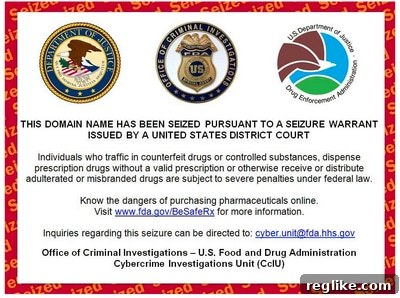
What is a Domain Name Seizure?
At its core, a domain name seizure is a legal action taken by government authorities to gain control over a domain name that has been demonstrably used for illegal purposes. This typically involves a court order that transfers the administrative control of the domain from its illicit operators to the seizing authority. Once seized, the domain usually displays a message informing visitors of the action, effectively shutting down the illegal operation’s online presence and preventing further access to its content or services. This process underscores the critical role that domain names play not just in legitimate commerce, but also as avenues for criminal enterprise, making their forfeiture a vital weapon in the fight against online crime.
The Meticulous Process Behind a Seizure Warrant
These official notices, signaling the successful seizure of a domain, do not appear overnight or magically. They are the visible tip of a much larger, often lengthy, and incredibly detailed legal and investigative iceberg. Before a domain can be seized, law enforcement agencies must meticulously gather evidence, build a compelling case, and obtain a court-issued seizure warrant. The process generally follows several key stages:
1. Initial Investigation and Evidence Gathering
The journey to a domain seizure often begins with intelligence gathering or a tip-off about suspected illegal activity. For instance, in a recent case I reviewed, U.S. agents across various jurisdictions initiated investigations into numerous websites suspected of illegally selling pharmaceuticals. This wasn’t a superficial inquiry; agents actively engaged with these sites, placing orders for various drugs to document the transactions and analyze the products received. This hands-on approach is crucial for accumulating direct evidence of illicit trade.
During these investigations, law enforcement meticulously logs details such as payment methods, shipping procedures, product descriptions versus actual contents, and return addresses. This forensic approach allows investigators to not only confirm illegal activity but also to identify patterns and connections between seemingly disparate online entities. For example, in the case mentioned, agents were able to trace connections between several distinct websites through a common payment gateway, indicating a single, larger criminal network operating under multiple fronts.
2. Building the Affidavit: A Legal Foundation
Once sufficient evidence is collected, agents compile an exhaustive affidavit. This sworn statement, presented to a judge, outlines all the findings of the investigation and articulates the probable cause for the seizure. It details the illicit activities, the role of the domain name in facilitating these crimes, and why seizing the domain is a necessary and proportionate response. In the example I examined, the affidavit would have detailed how agents received mislabeled or counterfeit drugs, and how these products were consistently shipped from a specific return address in India, further cementing the criminal nature of the operation.
The affidavit is a critical legal document. It must be precise, comprehensive, and legally sound to convince a judge that a crime has been committed and that the domain is an instrument or proceeds of that crime. It often includes details on intellectual property infringements, violations of drug laws, fraud statutes, and other relevant legal codes.
3. The Seizure Warrant: Judicial Approval
If a judge finds the probable cause outlined in the affidavit to be compelling, they will issue a seizure warrant. This warrant is a court order authorizing law enforcement to take control of the specified domain name. It’s a significant legal step, as it directly impacts property rights and requires a high standard of proof.
4. Execution of the Seizure
Upon receiving the warrant, the relevant authorities coordinate with the domain’s registrar or registry to execute the seizure. This process effectively transfers control of the domain from its previous, illicit operators to the government. At this point, the website typically displays the seizure notice, informing any visitors that the domain has been taken down due to legal action. This immediately disrupts the illegal operation, cutting off its online presence and preventing further transactions or fraudulent activities.
The Rationale Behind Domain Seizures
Domain seizures are not arbitrary acts; they serve several critical purposes in the fight against cybercrime:
- Disruption of Criminal Operations: Immediately halts the illegal activities facilitated by the domain, stopping the sale of illicit goods, fraudulent schemes, or distribution of infringing content.
- Asset Forfeiture: In many cases, the domain itself can be considered an asset derived from or used in criminal activity, making it subject to forfeiture under relevant laws.
- Deterrence: Sends a strong message to other potential cybercriminals that law enforcement is actively monitoring and will take decisive action against online illicit enterprises.
- Evidence Preservation: Seizing a domain can help preserve evidence for ongoing investigations and potential prosecutions against the domain operators.
- Public Awareness: The seizure notice educates the public about the dangers of certain websites and the legal consequences of engaging in illegal online activities.
Challenges and Effectiveness: The “Whack-a-Mole” Problem
While the immediate impact of a domain seizure is undeniable, its long-term effectiveness in completely dismantling criminal networks often faces challenges. As the original article astutely pointed out, “It’s pretty easy to set up shop on a different domain.” This phenomenon is often referred to as the “whack-a-mole” problem in cybercrime enforcement.
Criminal organizations, especially those involved in highly profitable ventures like illegal drug sales or large-scale counterfeiting, are often highly adaptable. They can quickly register new domain names, establish new hosting, and resume operations, sometimes within hours or days of a seizure. This resilience means that while a seizure can cause significant financial and operational disruption, it rarely eradicates the criminal enterprise entirely without further, deeper investigations into the individuals and infrastructure behind the domains.
However, this doesn’t diminish the importance of domain seizures. Each seizure represents a victory, even if temporary. It increases the cost and complexity for criminals, forces them to invest more resources in evading detection, and disrupts their established customer base. Furthermore, the intelligence gathered during the seizure process, such as identifying common payment gateways or shipping origins (like the return address in India), can be invaluable for linking multiple seemingly disparate criminal websites and building cases against the individuals orchestrating these illicit operations, rather than just their digital storefronts.
Broader Implications for Online Security and Commerce
The increase in domain seizures highlights the ongoing battle between law enforcement and cybercriminals. For legitimate businesses, these actions reinforce the importance of protecting their intellectual property and ensuring their online presence is secure and compliant. It also underscores the need for vigilant oversight by domain registrars and registries to prevent the misuse of their services.
From a consumer perspective, domain seizure notices serve as a stark reminder to exercise caution when dealing with unfamiliar websites, especially those offering deals that seem too good to be true. The rise of sophisticated phishing attempts and counterfeit product sales means that consumers must remain vigilant about the legitimacy of online vendors.
Reviewing the Seizure Request
For those interested in the intricate legal details and the specific allegations that lead to such drastic actions, reviewing an actual seizure request can be incredibly insightful. The document I referenced, a request for a seizure warrant (PDF), provides a granular look into the evidence presented to a judge. It details how agents meticulously traced transactions, identified commonalities in criminal operations, and built a robust legal case that ultimately led to the domains being seized.
This particular document illustrates the dedication of law enforcement agencies to combat illegal activities that exploit the internet’s global reach. It showcases the collaborative effort required to navigate jurisdictional complexities and gather compelling evidence from various online sources.
Conclusion: A Continuous Fight
Domain name seizures are a potent weapon in the arsenal of law enforcement agencies combating cybercrime. They represent a critical step in disrupting illegal online activities, protecting consumers, and upholding the integrity of the internet. While the “whack-a-mole” challenge persists, each seizure contributes to a larger strategy of making online criminal enterprises more difficult, more costly, and ultimately, less sustainable.
As the digital landscape continues to evolve, so too will the methods employed by both criminals and those sworn to bring them to justice. The ongoing efforts to secure and cleanse the internet of illicit operations remain a continuous and vital endeavor, ensuring that the vast potential of the digital world is primarily used for legitimate commerce, communication, and innovation.